


Dental treatments before and after
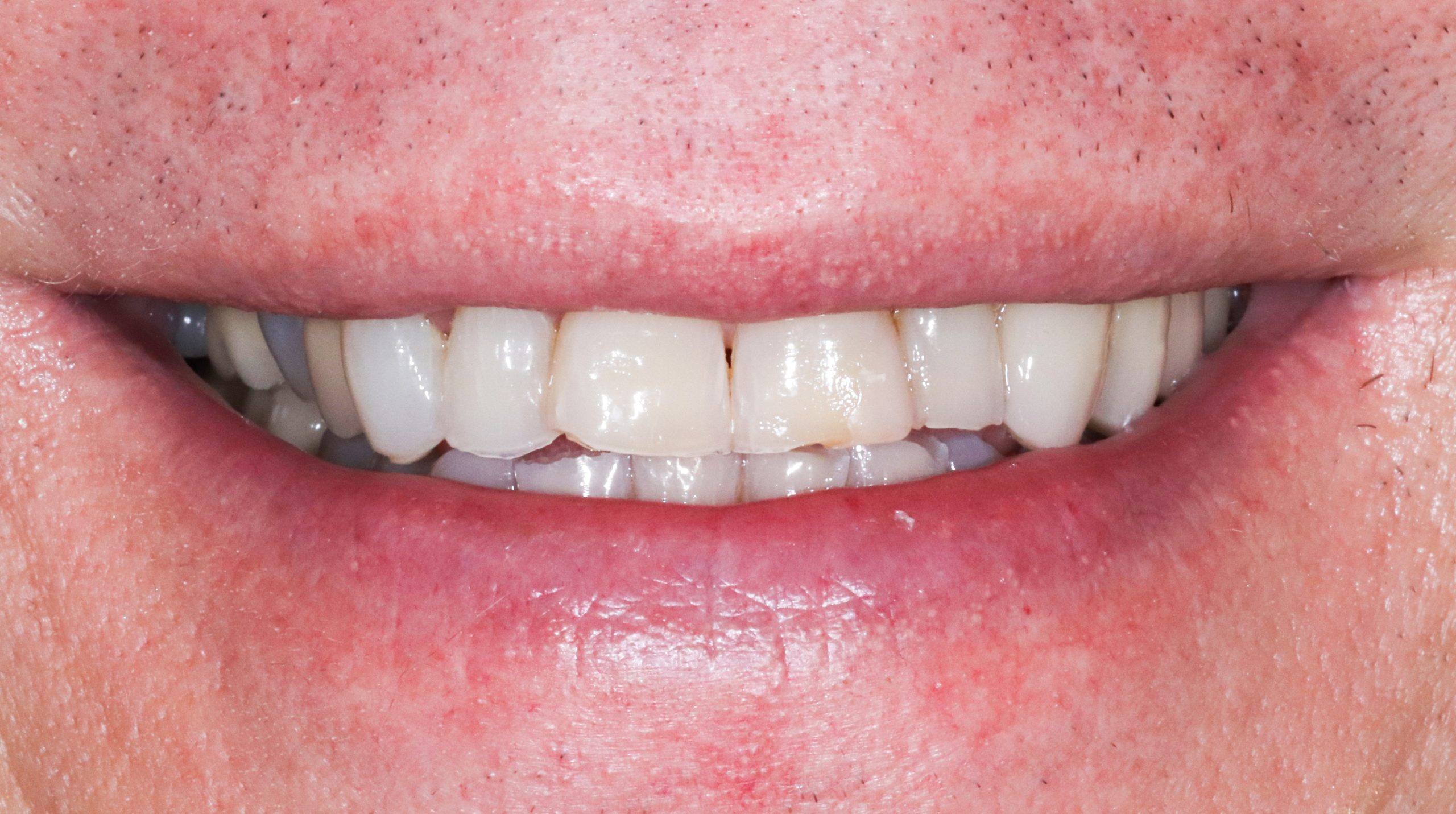
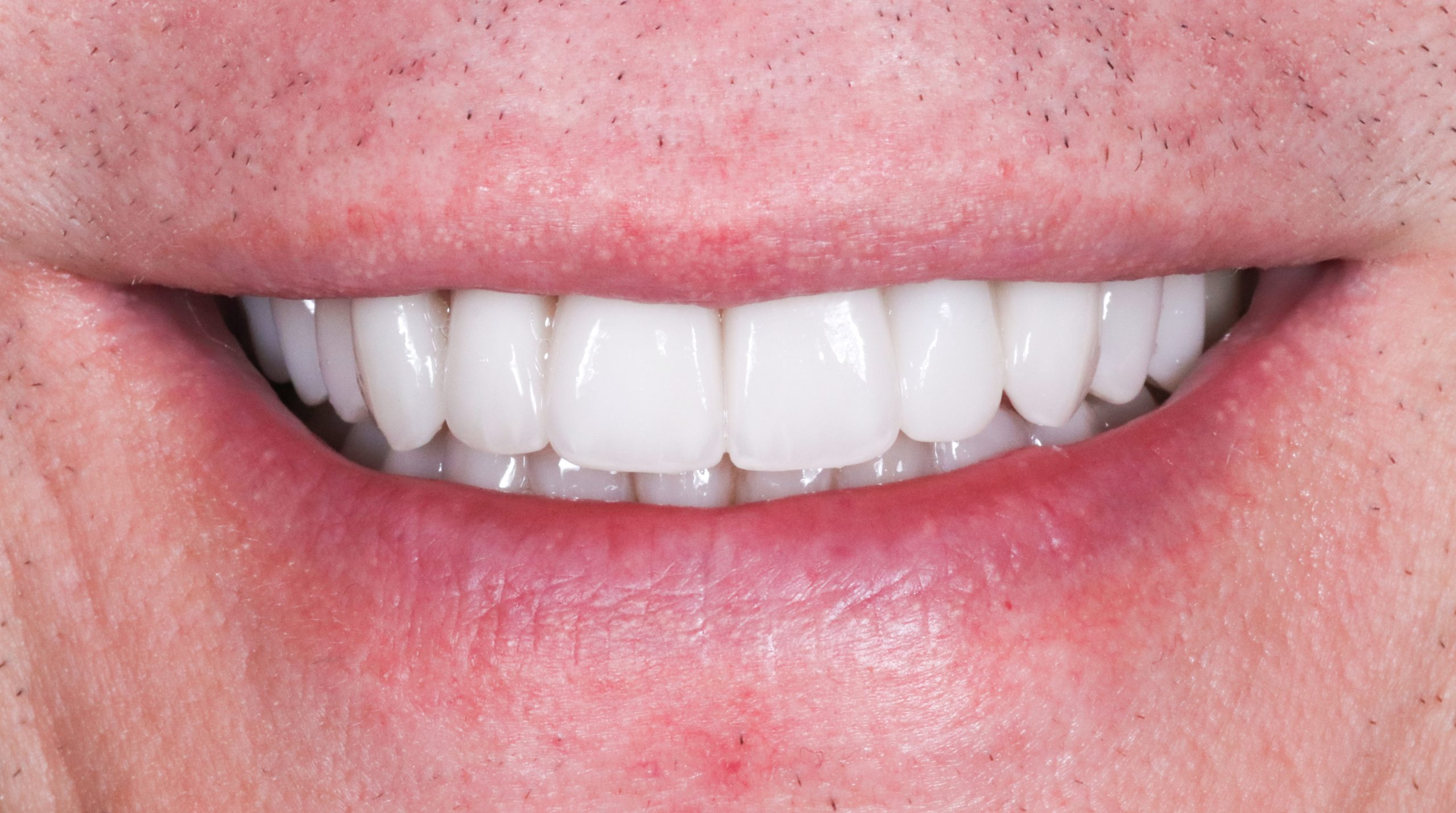
Complete reconstruction with all-ceramic veneers and partial crowns to restore function and esthetics
The patient was dissatisfied with the color and shape of his teeth and presented severely advanced abrasion and grinding facets on all teeth
After the fabrication of a functional esthetic wax-up for bite elevation in the maxilla and mandible, an intraoral mock-up was performed to enable the patient to visualize the result in terms of esthetics and function. The aim was to achieve minimal bite elevation in the mandible, to create sufficient space for the reconstruction of the severely abraded teeth and the restoration of the anterior canine alignment. This was followed by in-office bleaching of the mandibular anterior teeth. Finally, the definitive implementation occurred as part of a complex overall restoration using minimally invasive partial crowns and 360* veneers and the abraded mandibular incisors with composite reconstruction. Esthetics and function and the desired tooth color were thus restored
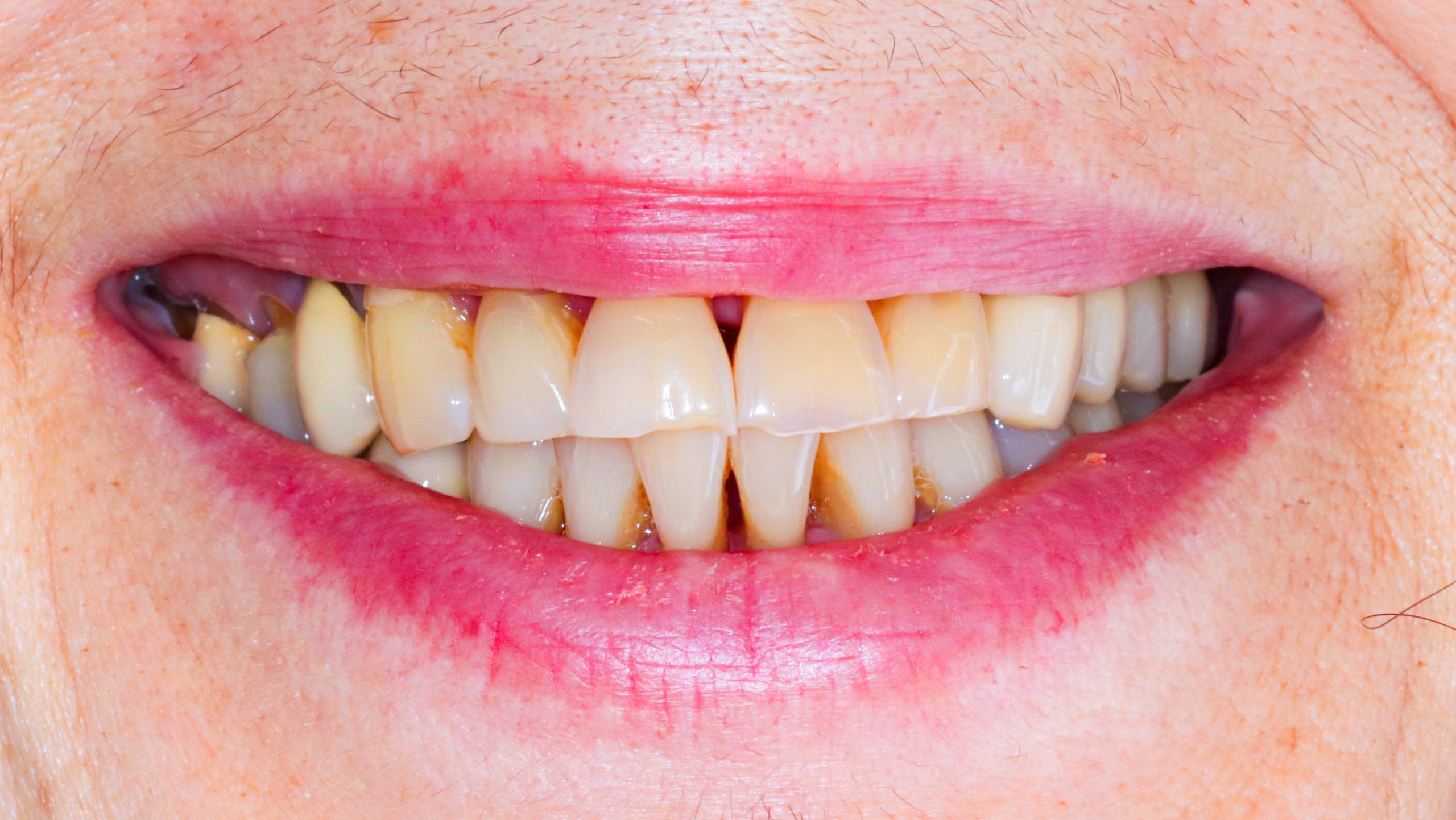
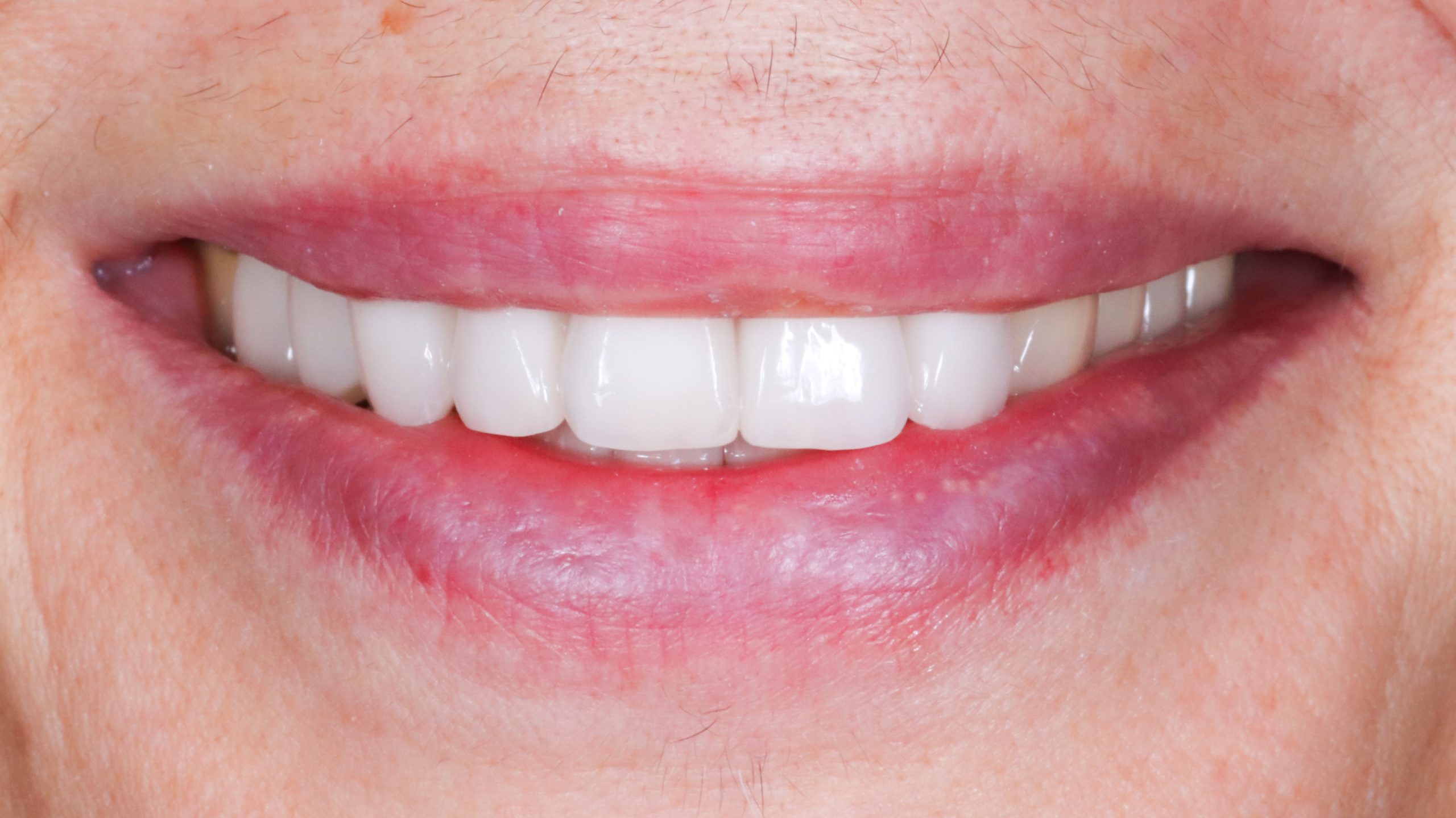
New restoration of maxillary teeth (upper teeth) with all-ceramic veneers and partial crowns for color and shape optimization and to close the black triangles
The patient was bothered by the defects, the color and the length of the upper teeth when laughing
After a functional-aesthetic wax-up was fabricated, an intraoral mock-up was performed to visualize the result in terms of aesthetics and function. Finally, the final realization was carried out through minimally invasive partial crowns or 360° veneers. Esthetics, function and the desired tooth color and length were restored, and the black triangles were closed
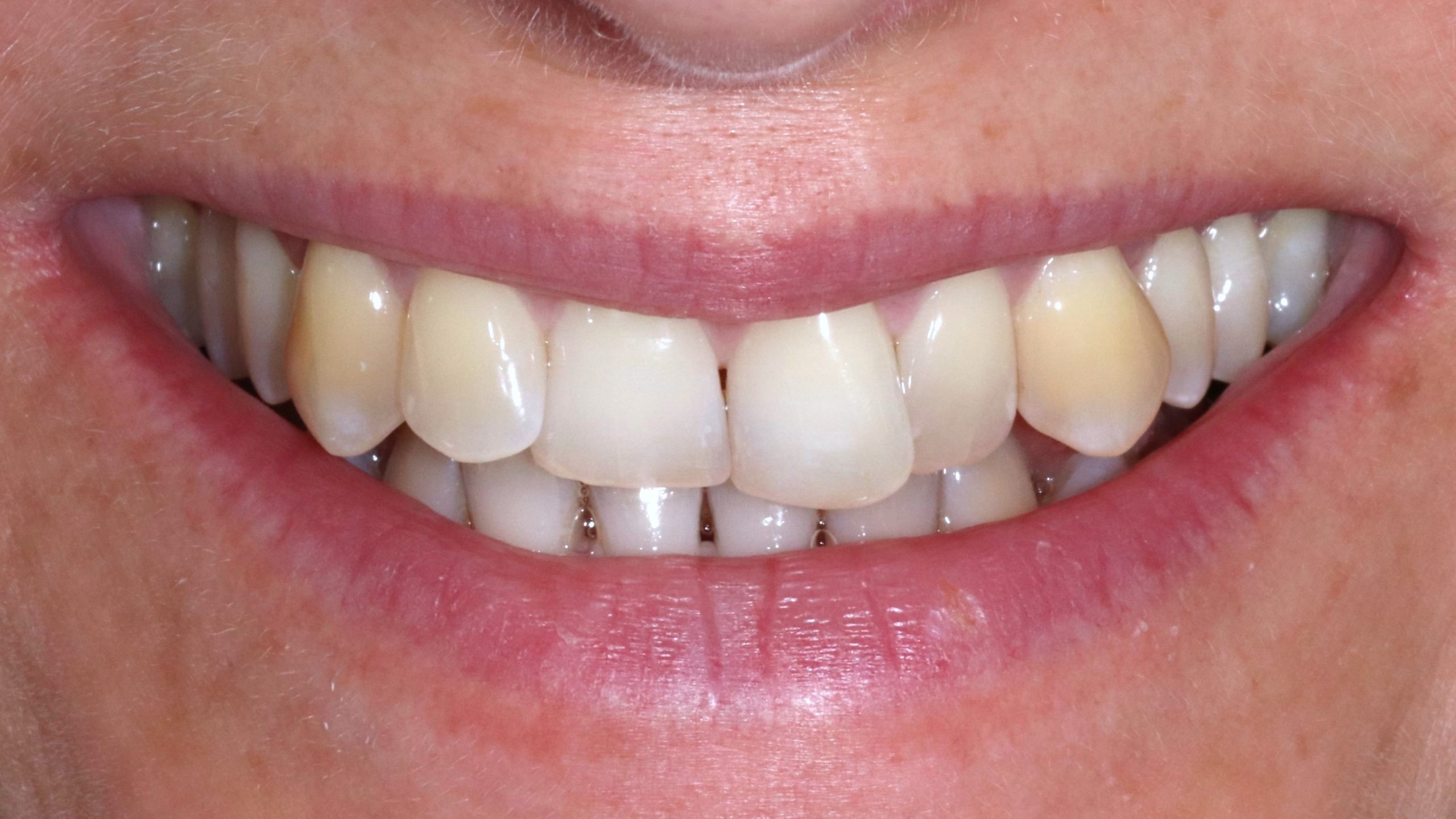
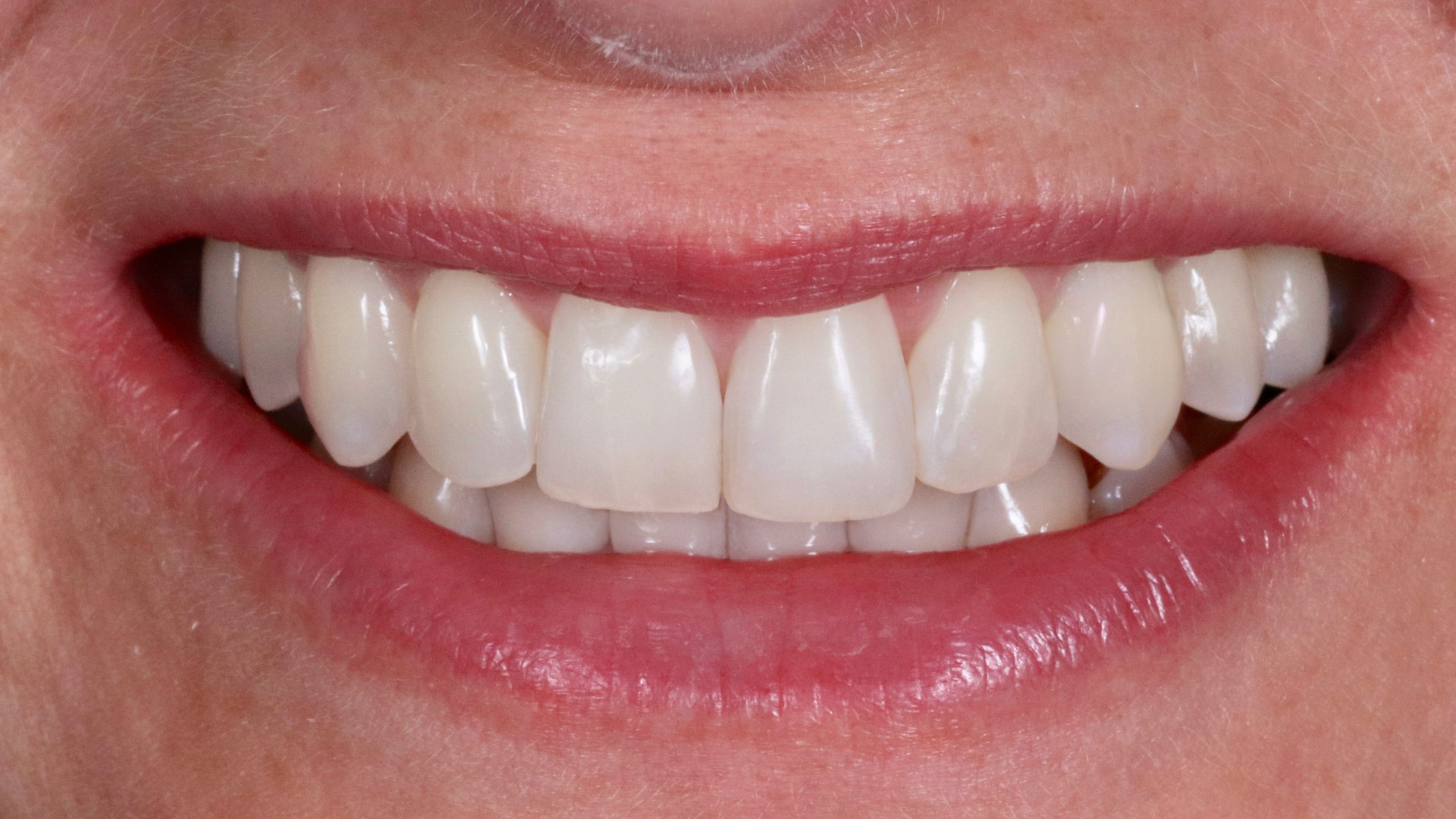
Invisalign in combination with bleaching and minimally invasive composite build-ups
The patient was particularly worried about the divergent overlapping anterior and canine teeth. More so, the disharmonious course of the cutting edges of the two central incisors, as well as their tooth color.
With the help of removable, transparent Invisalign aligners, the dental arches in the upper and lower jaw were shaped and harmonized in just 6 months.
To restore the aesthetics of the smile, the patient then underwent in-office bleaching in our practice and a minimally invasive composite build-up of the maxillary anterior teeth to restore the anterior canine guidance.
This enabled the patient to achieve their desired esthetic change.
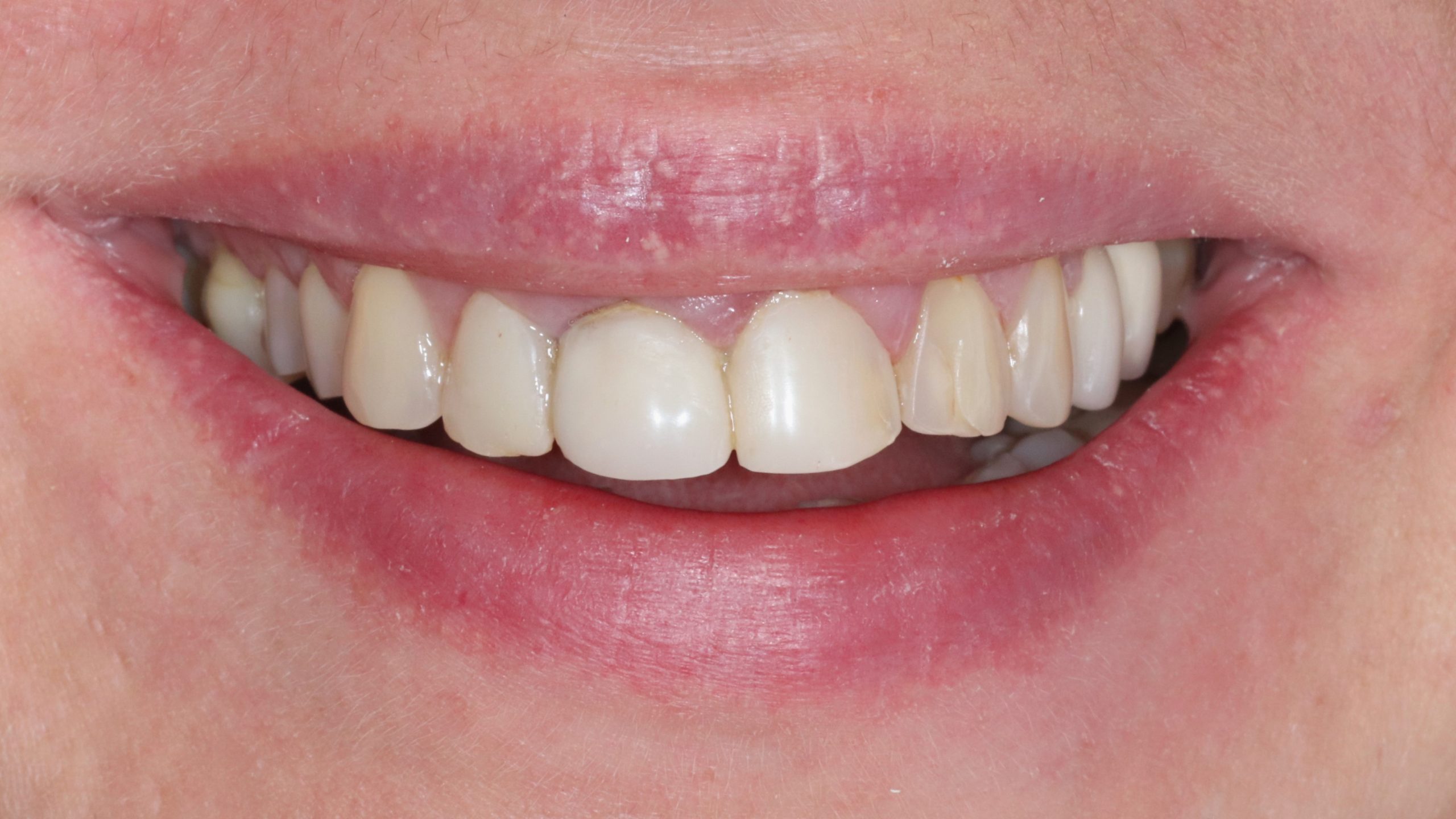
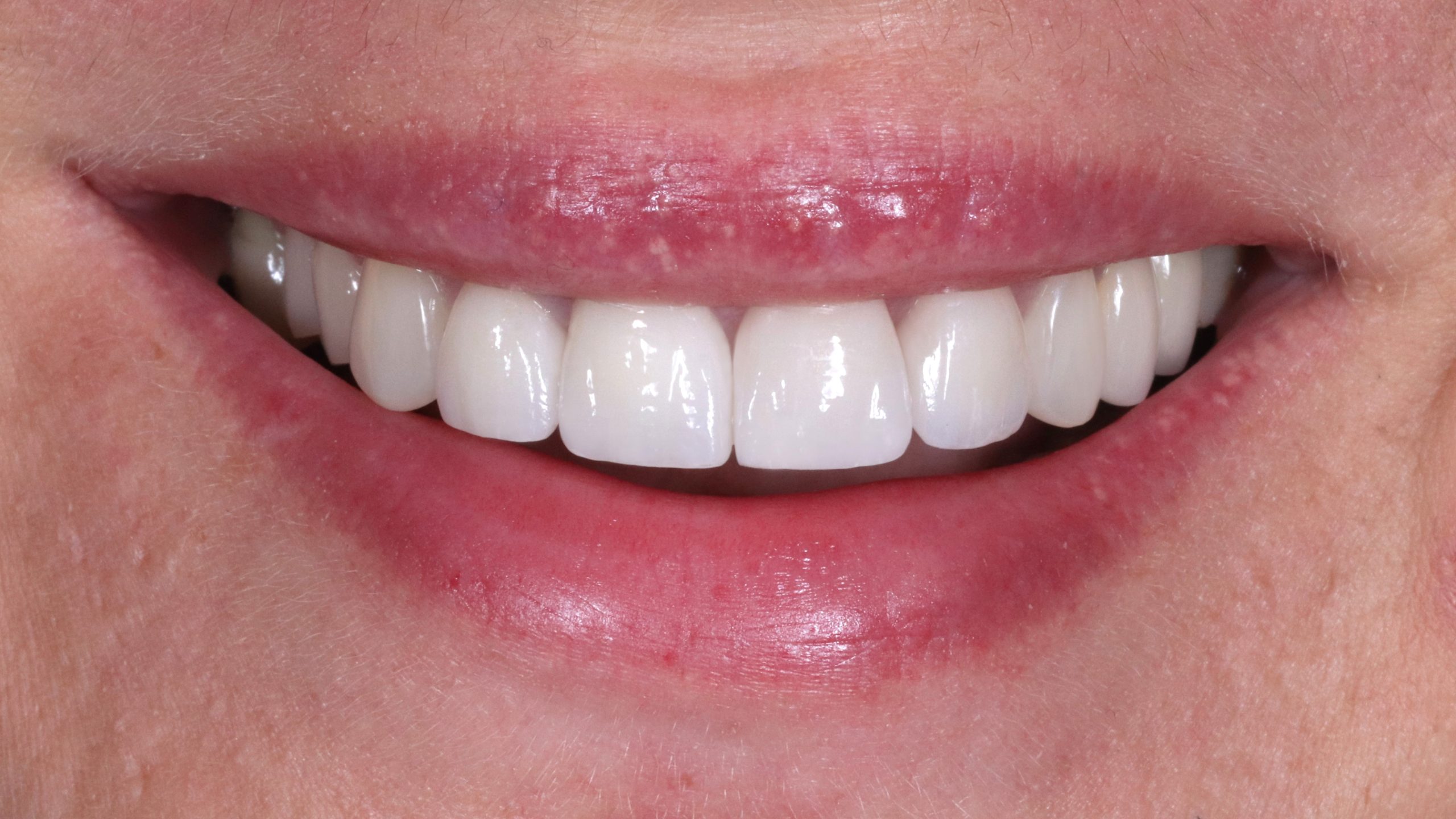
All-ceramic new restoration of the upper incisors after in-office bleaching and gingival correction
The patient was disturbed by her existing, inadequate plastic anterior restorations of the 4 incisors, as well as the disharmonious gingival line.
After fabrication of a functional-aesthetic wax-up, an intraoral mock-up was done to visualize the patient’s result in terms of aesthetics and function.
To restore the aesthetics of her smile, an in-office bleaching was carried out in our practice to achieve the patient’s desired teeth color.
Finally, after gingival correction and surgical crown margin lengthening, the final restoration was implemented using minimally invasive all-ceramic partial crowns or crown restorations.
Esthetics and function, the desired tooth color and shape, as well as the harmonious course of the smile line were thus restored.
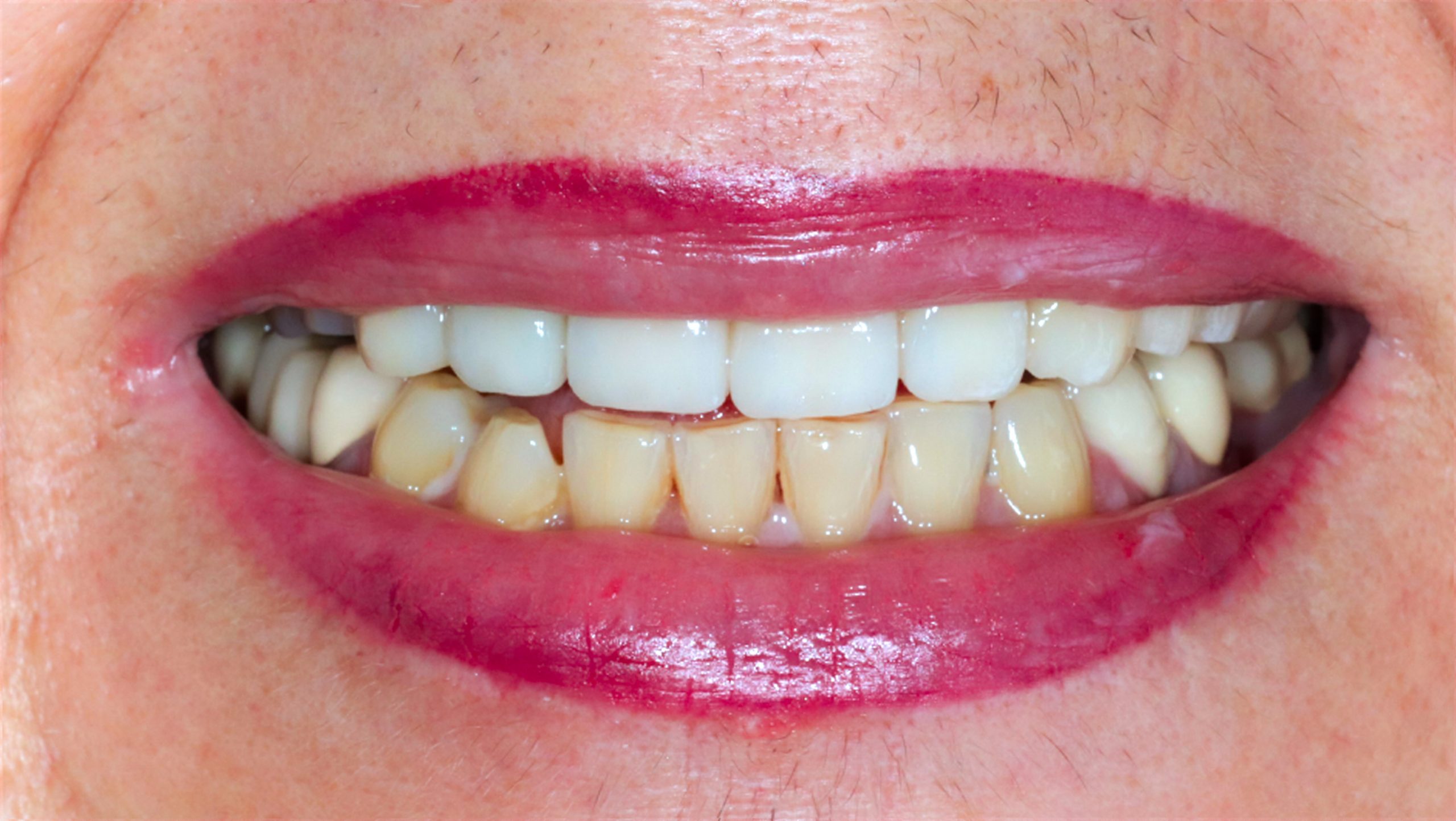
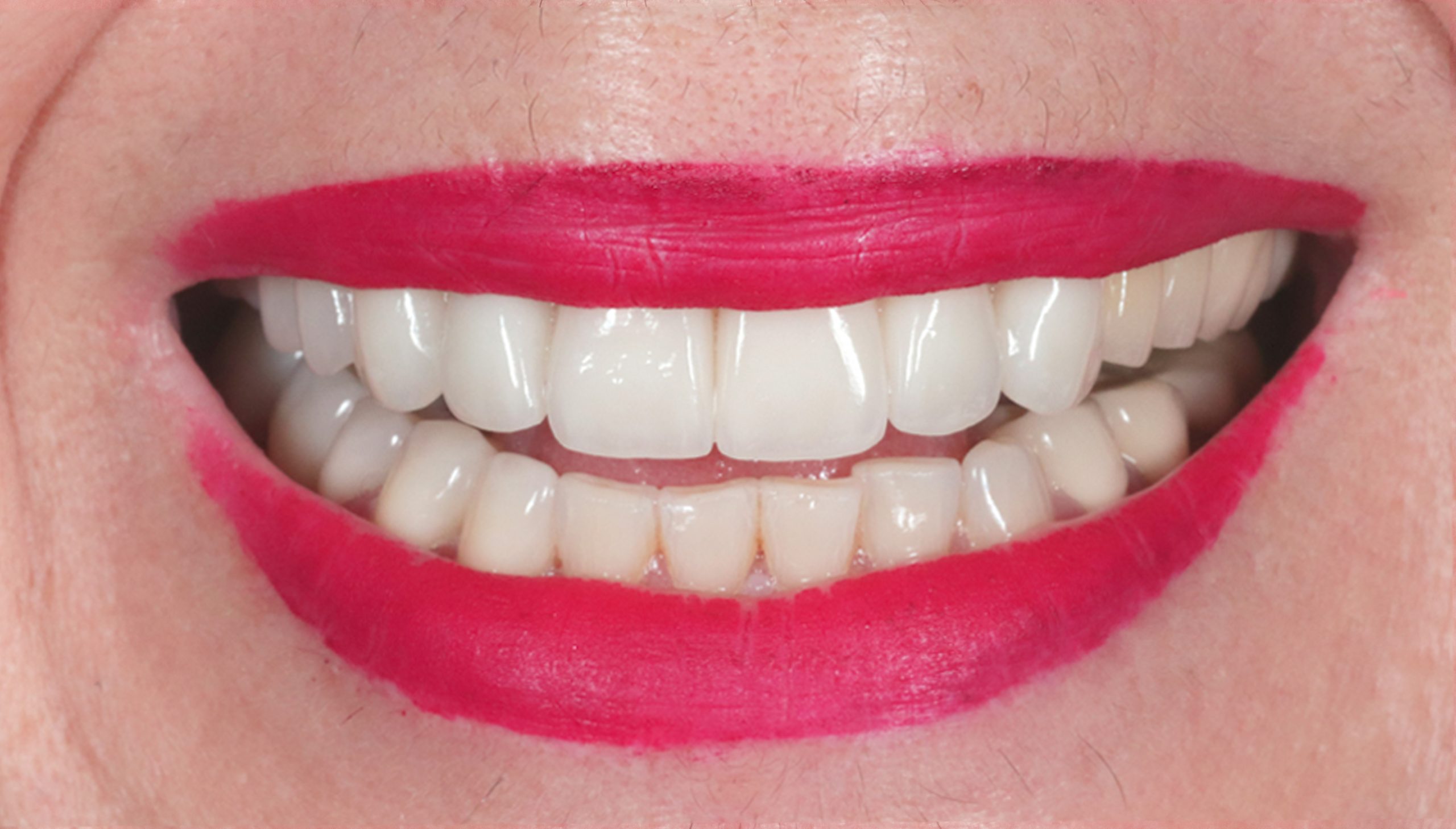
New restoration of the upper jaw with all-ceramic veneers and partial crowns
The patient was particularly disturbed by the low visibility of the maxillary (upper) teeth when laughing and the color and position of the existing, old restoration
After the fabrication of a functional-aesthetic wax-up, an intraoral mock-up was performed to enable the patient to visualize the result in terms of esthetics and function. To achieve a lighter shade result for the definitive restoration in the upper jaw, the lower teeth were lightened in our practice with the aid of in-office bleaching. Finally, the definitive restoration was fabricated by replacing the existing restorations. Esthetics, function and the desired tooth color, as well as the length and course of the smile line, were thus restored
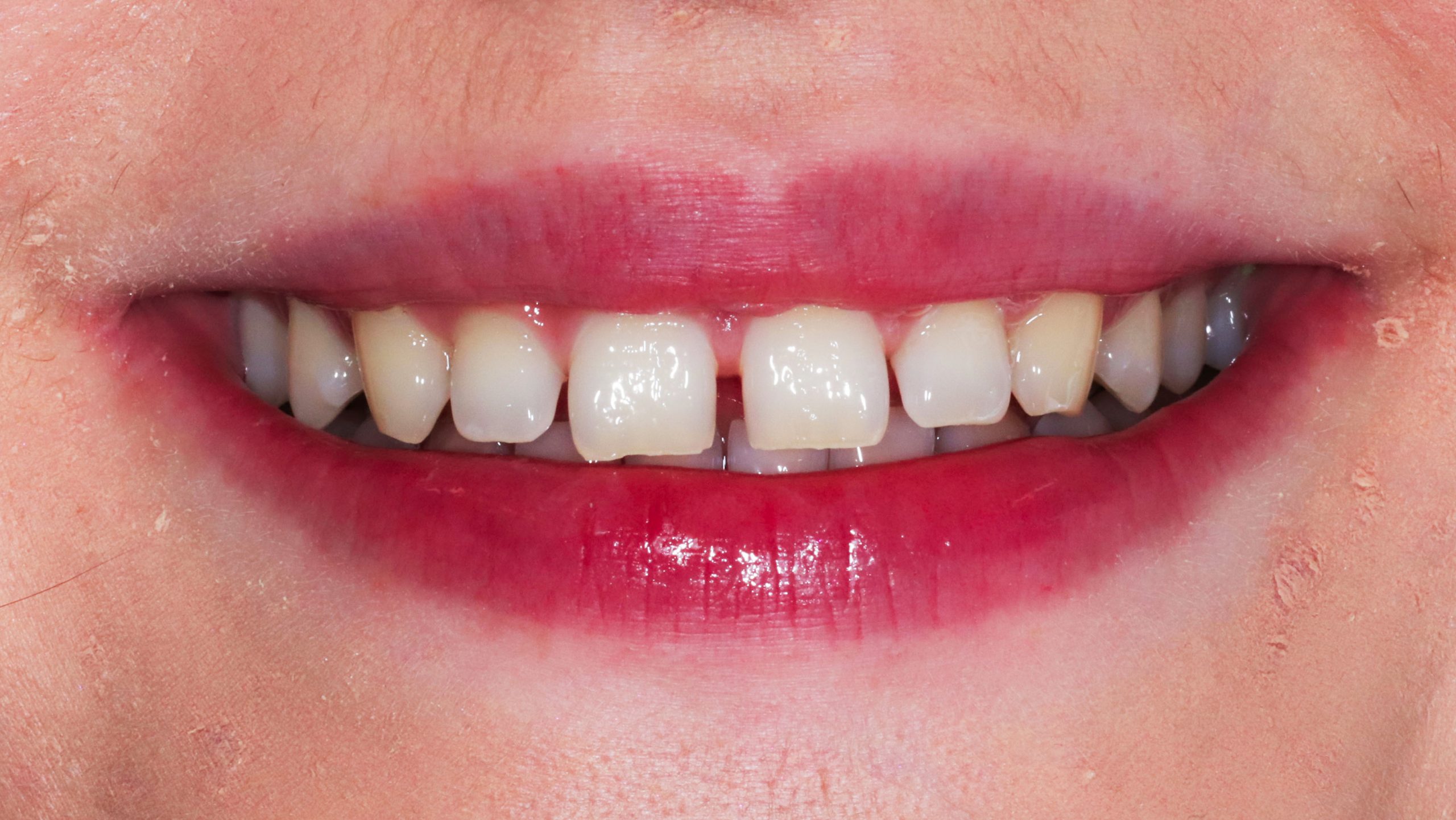

Veneers of the upper incisors for aesthetic gap closure and reconstruction of the abraded incisors
The patient was disturbed by the gap position of the maxillary anterior (upper front) teeth
The gaps were closed by treating the upper 6 anterior teeth with minimally invasive all-ceramic veneers, the function was restored by building up the canine guidance, and the patient was given her desired smile
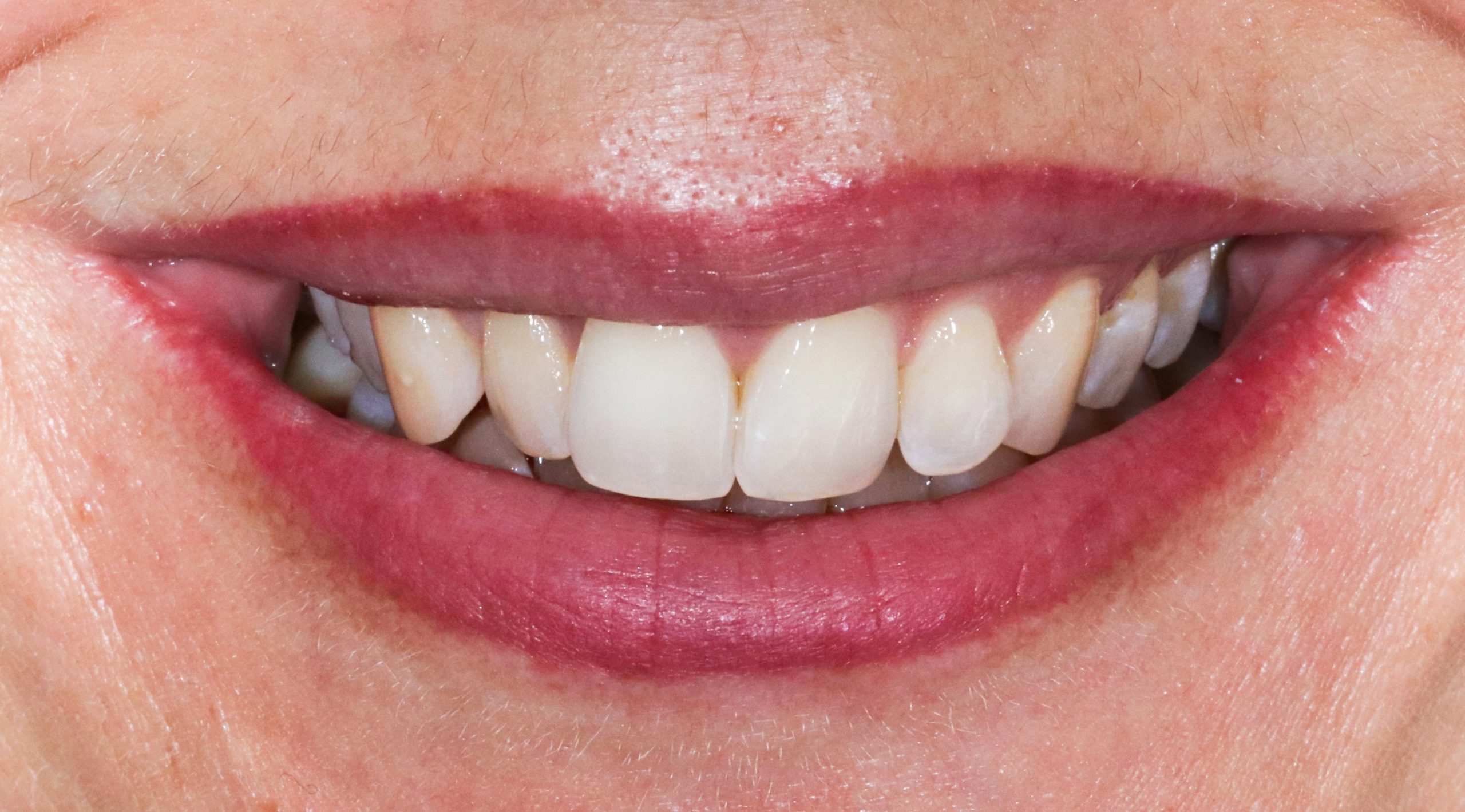
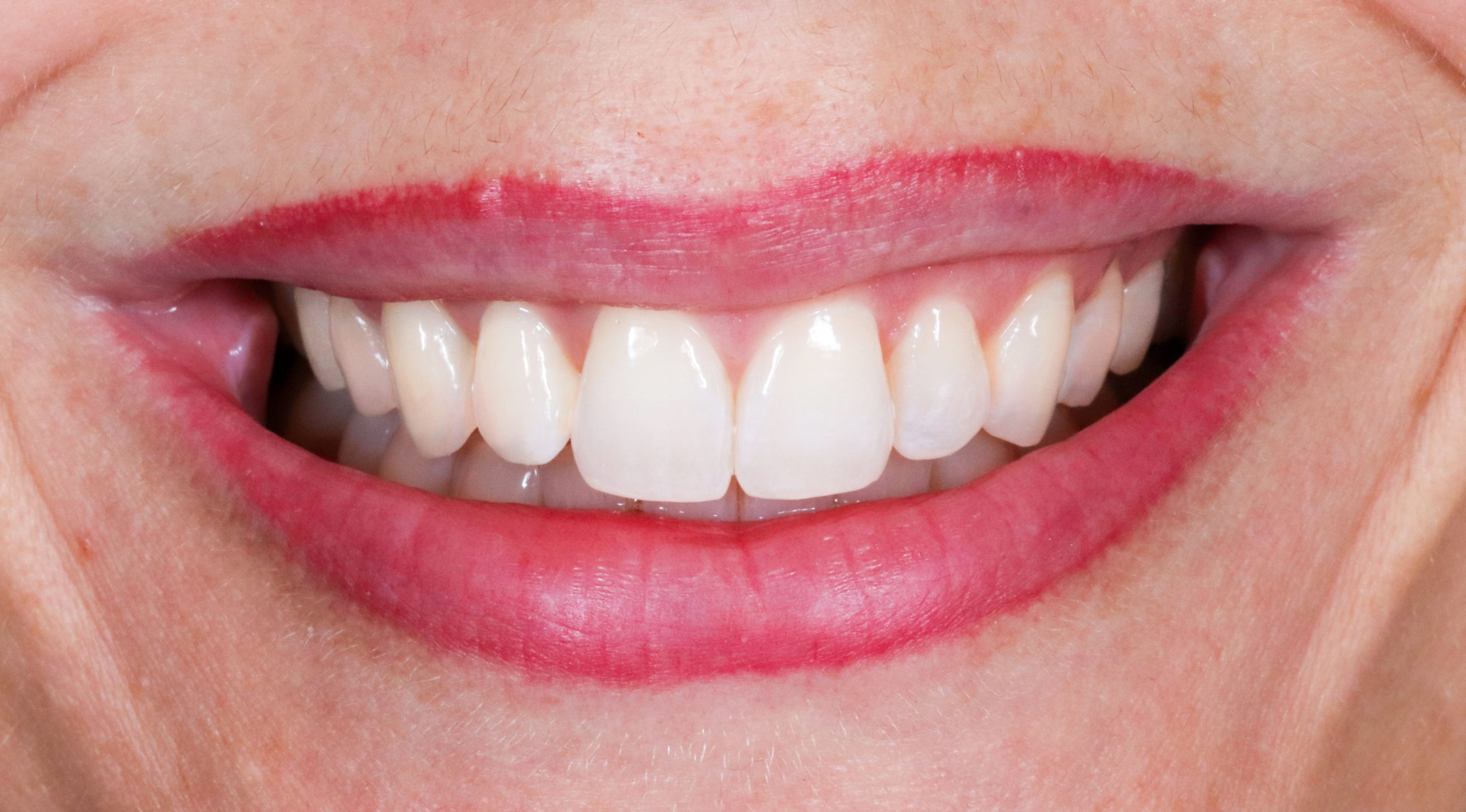
Correction of the tooth position and harmonization of the smile
The patient was disturbed by the disharmonious course of the upper dental arch and the existing severe crowding of both jaws
With the help of removable, transparent Invisalign aligners, the dental arches in the upper and lower jaw were shaped and harmonized within 6 months. Both tooth position and smile width were idealized, giving the patient a radiant smile
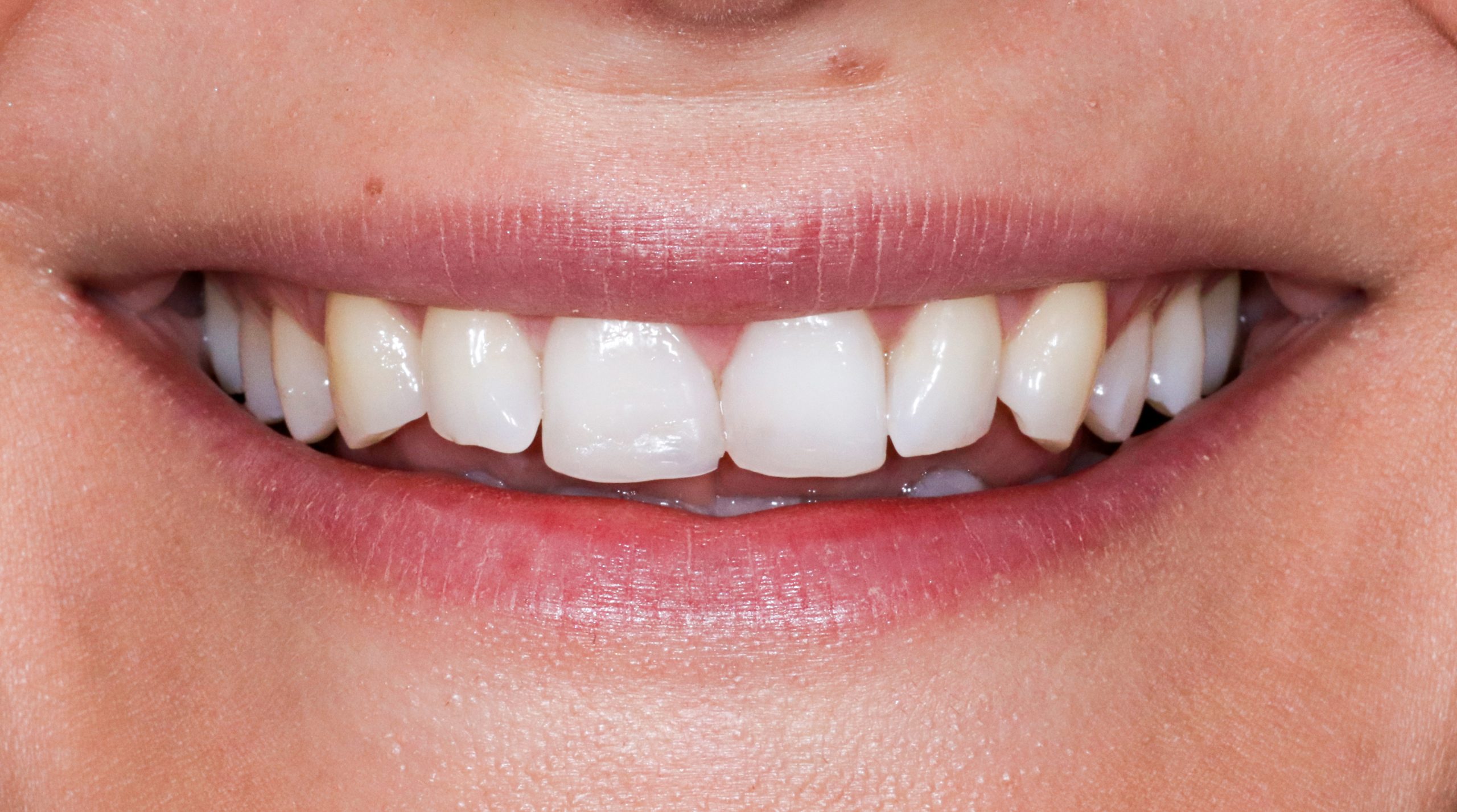
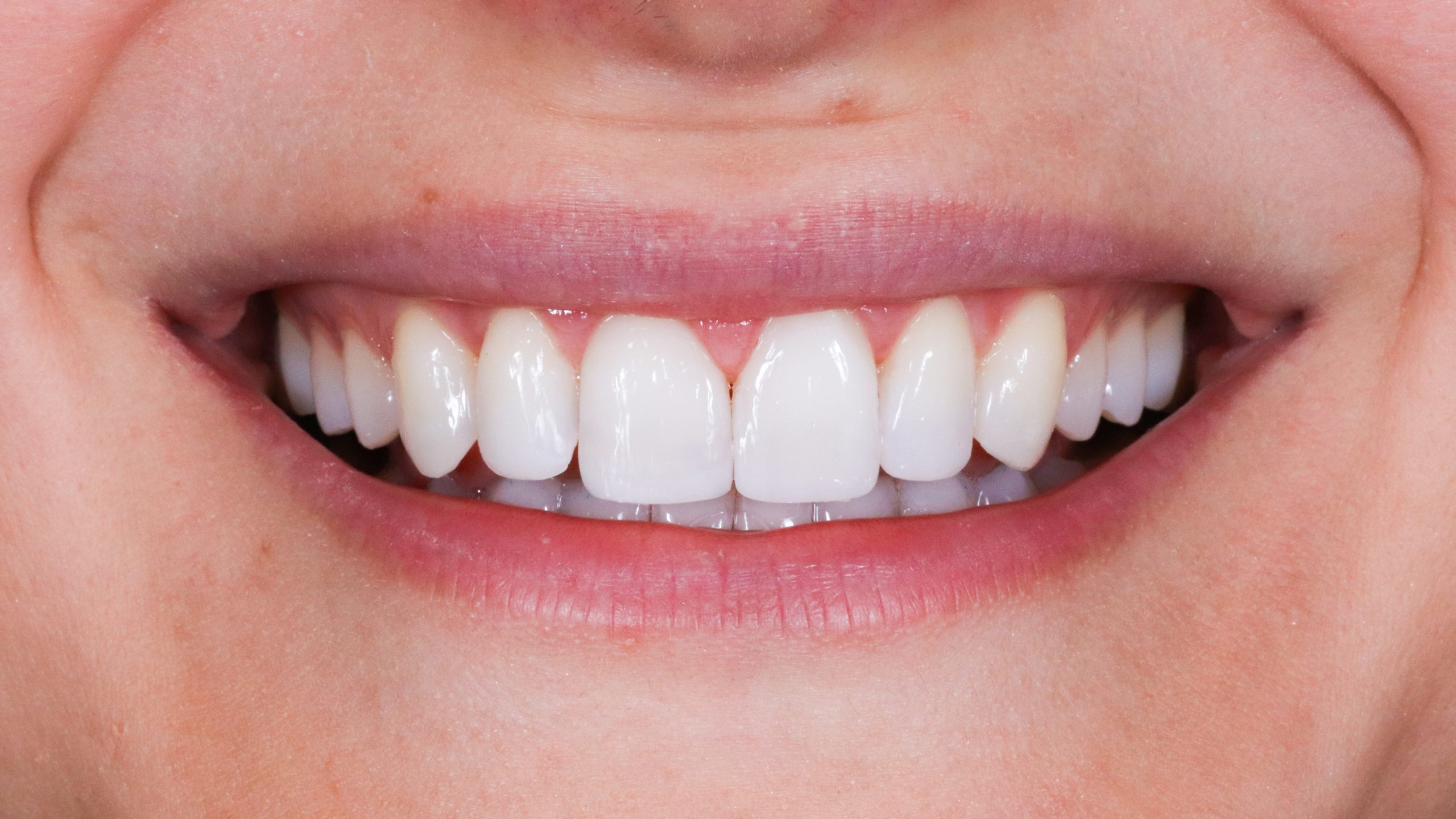
Reconstruction of severely abraded anterior teeth with composite to restore function and to idealized length-width ratios
The patient was disturbed by her short, severely shaved anterior teeth with insufficient fillings
With the help of removable, transparent Invisalign aligners, the dental arches in the upper jaw and lower jaw were shaped and harmonized within 6 months. This pre-negotiation allowed for the creation of sufficient space for the final reconstruction of the missing tooth structure of the maxillary and mandibular anterior teeth. This was followed by in-office bleaching in our practice to achieve the desired lighter tooth color. After a functional-aesthetic WaxUp was fabricated, purely additive reconstruction was performed by minimally invasive composite abutments of each of the 6 maxillary and mandibular anterior teeth. This restoration of the anterior canines is synonymous with maximum protection of the teeth from further abrasion-related damage. The result shows an esthetically harmonious smile with optimal tooth size ratios matching the course of the lips
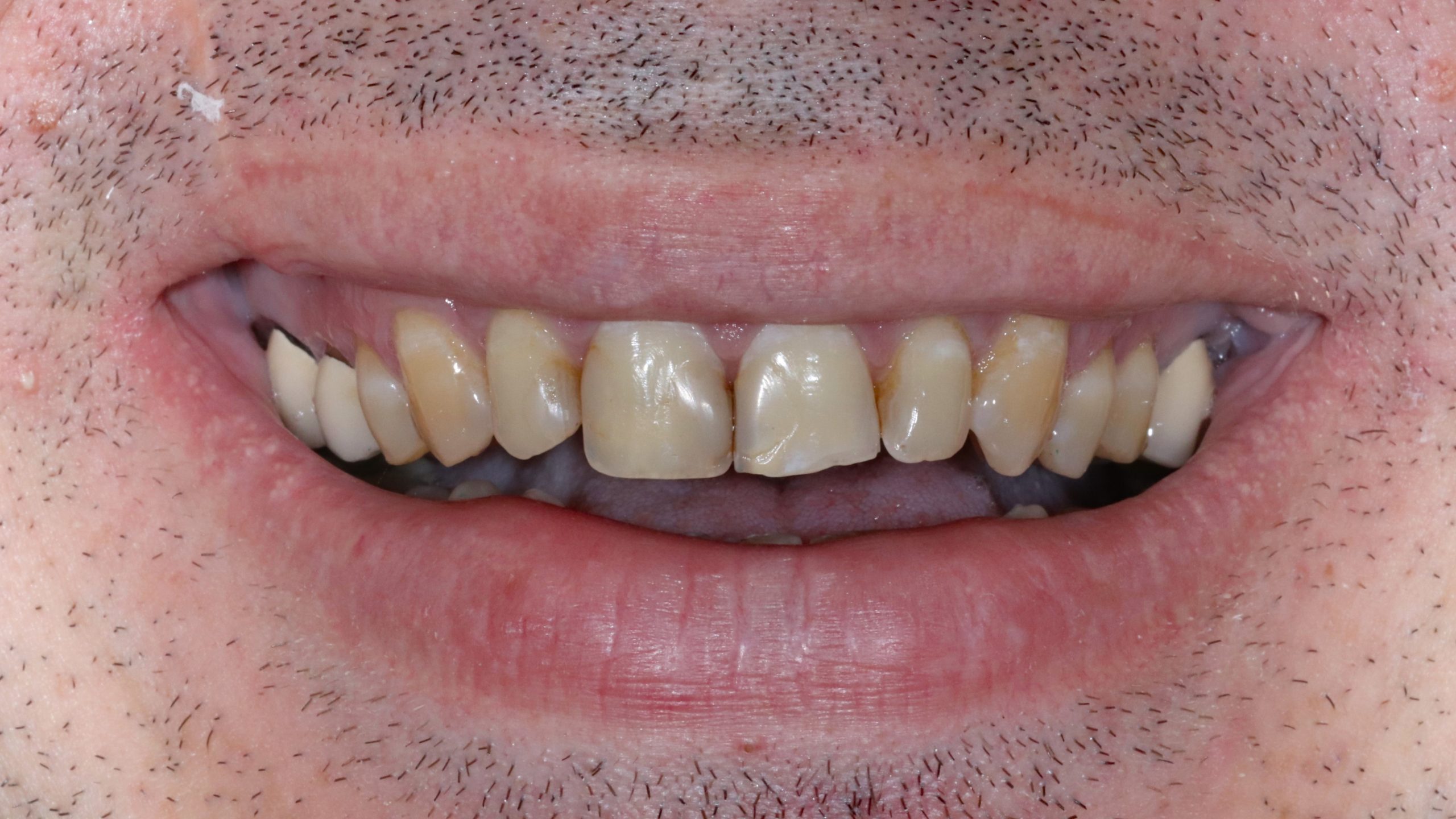
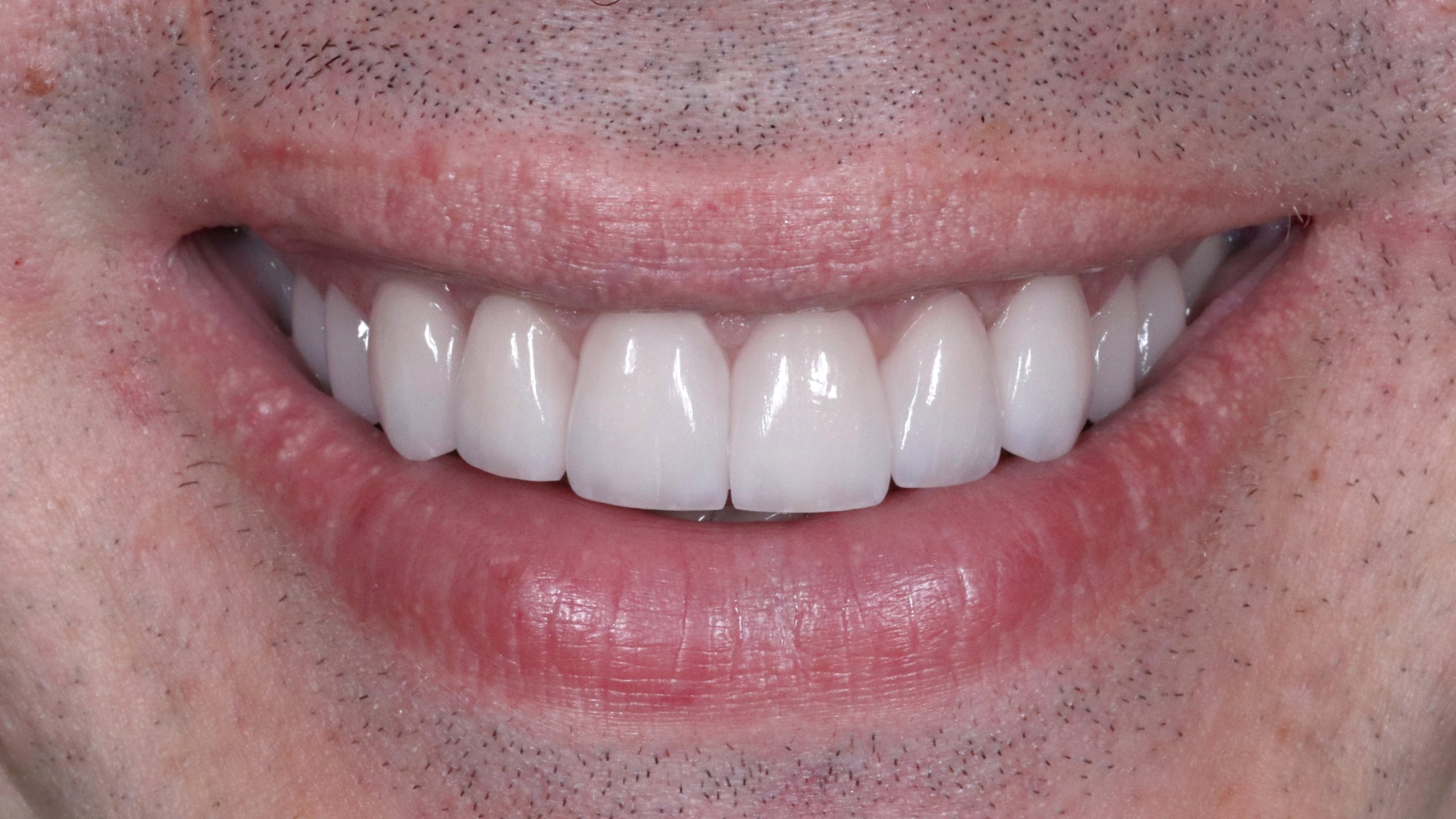
New restoration of the upper jaw with all-ceramic restorations and gingival correction
The patient was disturbed by the defects in the teeth, the insufficient fillings in the front teeth, the insufficient crown restorations in the posterior teeth, as well as the teeth color. In addition, the course of the smile line presented asymmetrical proportions.
After producing a functional-aesthetic wax-up, an intraoral mock-up was done to visualize the patient’s result in terms of aesthetics and function. Finally, after gingival correction and surgical crown margin lengthening, minimally invasive all-ceramic partial crowns respectively veneers in the anterior region and new all-ceramic crown restorations in the posterior region were done.
Aesthetics and function, the desired tooth color and length as well as the harmonious course of the smile line were restored.
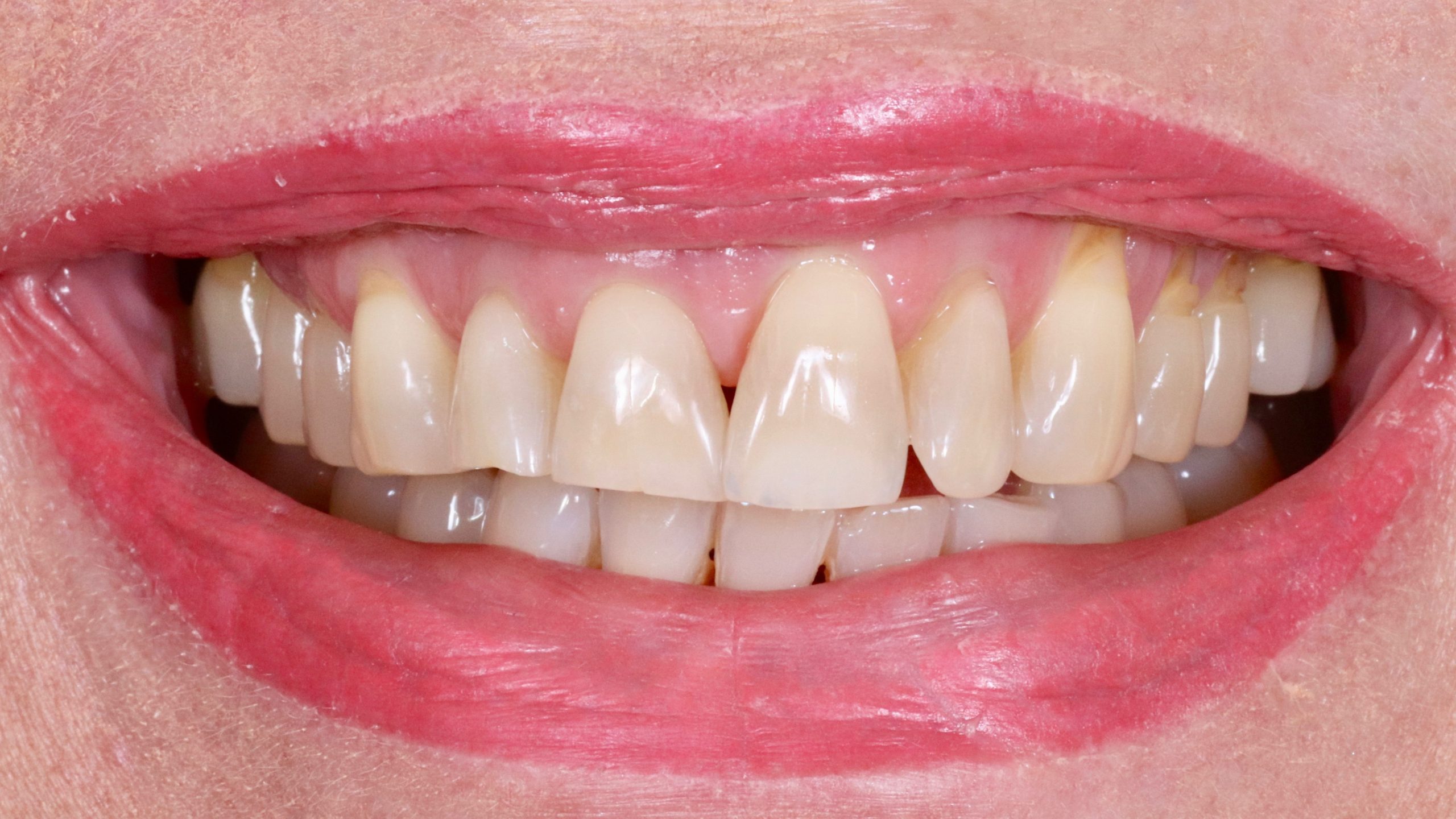
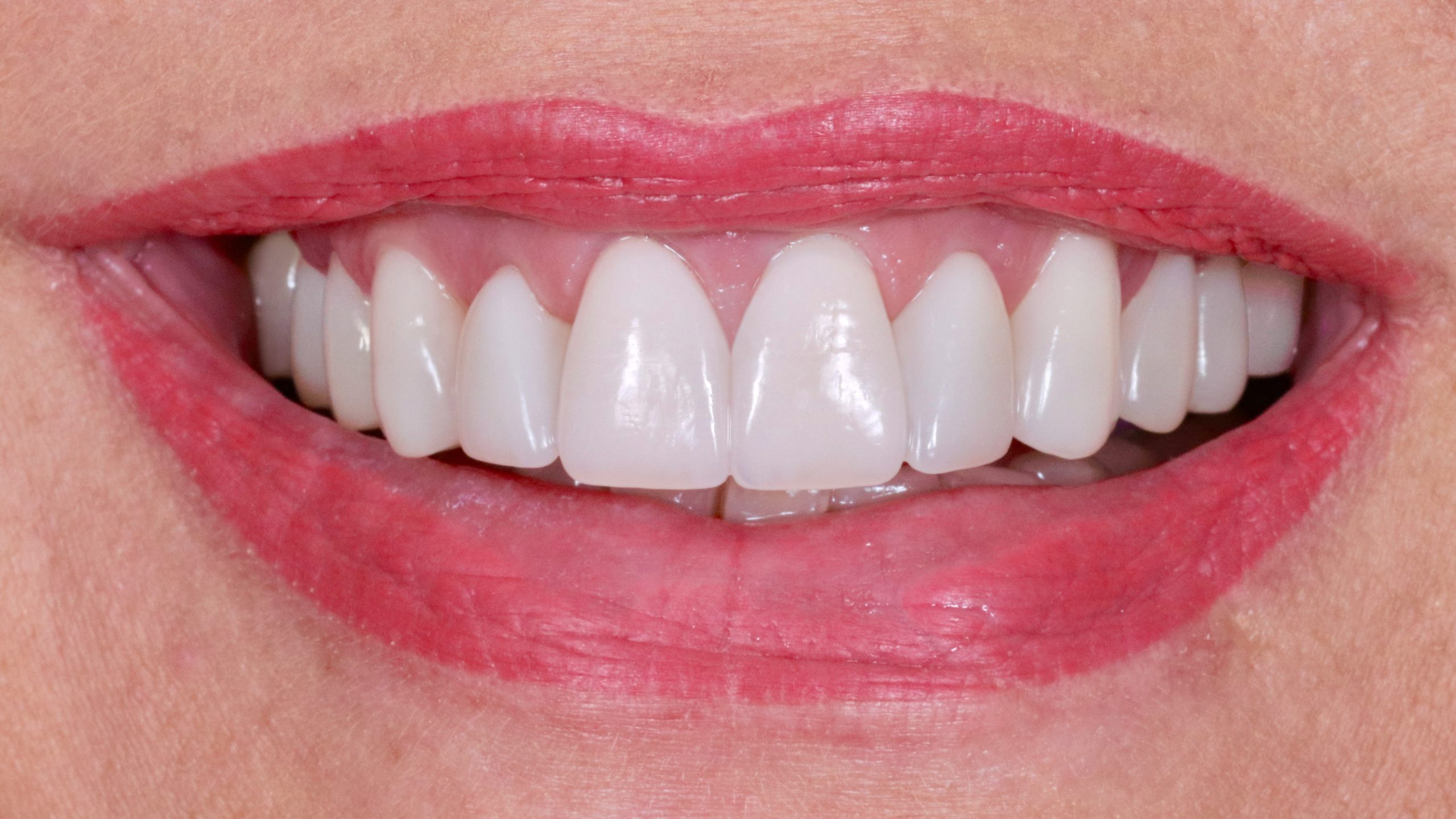
Veneer restoration of the upper jaw with gingival correction, in combination with bleaching
The patient was dissatisfied with her smile because of the position of her teeth, the existing substance defects on the incisal edges and the tooth necks as well as the tooth shade, and she thus wanted a healthier, younger appearance.
After fabricating a functional-aesthetic wax-up, an intraoral mock-up was carried out to help the patient visualize the result in terms of aesthetics and function.
To restore the aesthetics of her smile, an in-office bleaching was carried out in our practice to achieve the patient’s desired teeth color.
To harmonize the gingival line, a minimally invasive gingival correction was performed using an intraoral laser.
The upper teeth were then restored with wafer-thin ceramic veneers. This restoration not only achieved the desired esthetic change, but also resulted in the restoration of function thanks to the reconstruction of the severely abraded tooth surfaces.
In the end, the patient was beaming with a beautiful and harmonious smile.
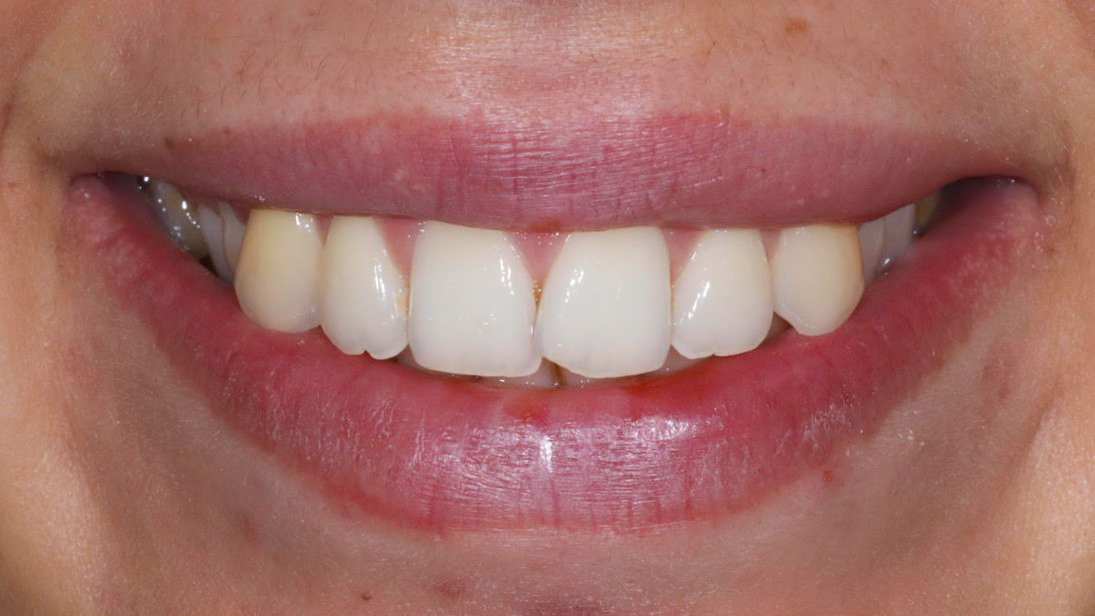
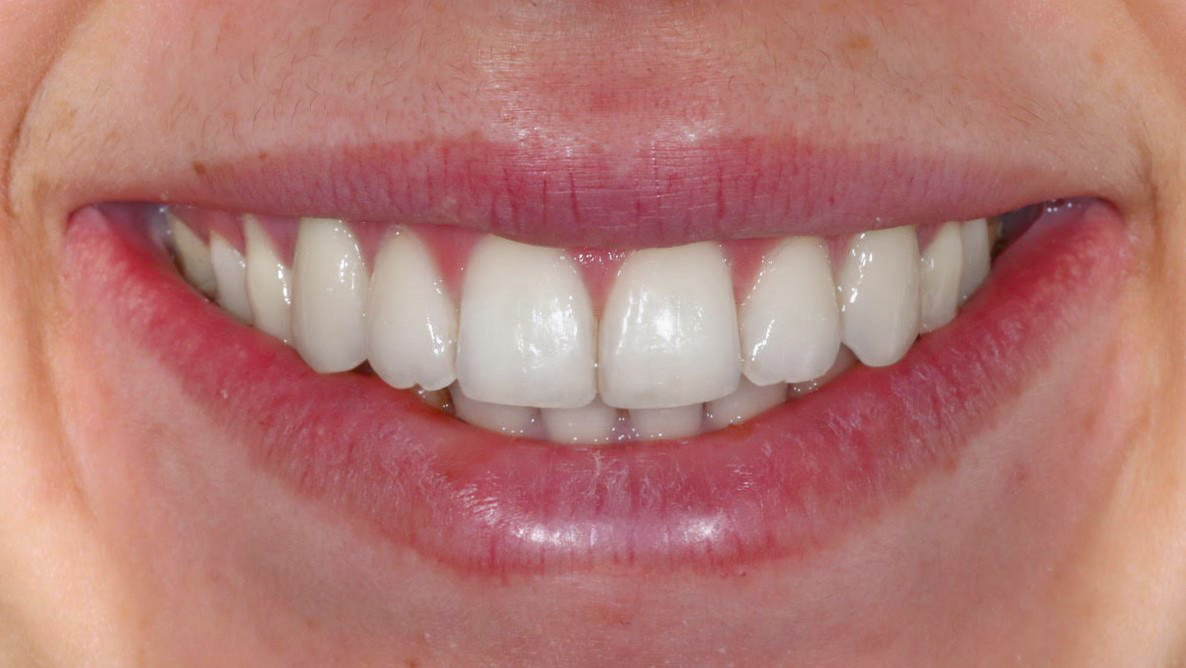
Correction of overlapping anterior teeth and the build-up of abraded incisors
The patient was particularly disturbed by her diverging and overlapping anterior teeth. In addition, she did not like the missing width in the right side of her smile, her prominent upper right canine, and the disharmonic array of the incisal edges of her central incisors
With the help of removable, transparent Invisalign aligners, the dental arches in her upper and lower jaw were shaped up and harmonized in only 6 months. Finally, a minimally invasive composite reconstruction of the maxillary anterior was performed to restore her anterior canine alignment
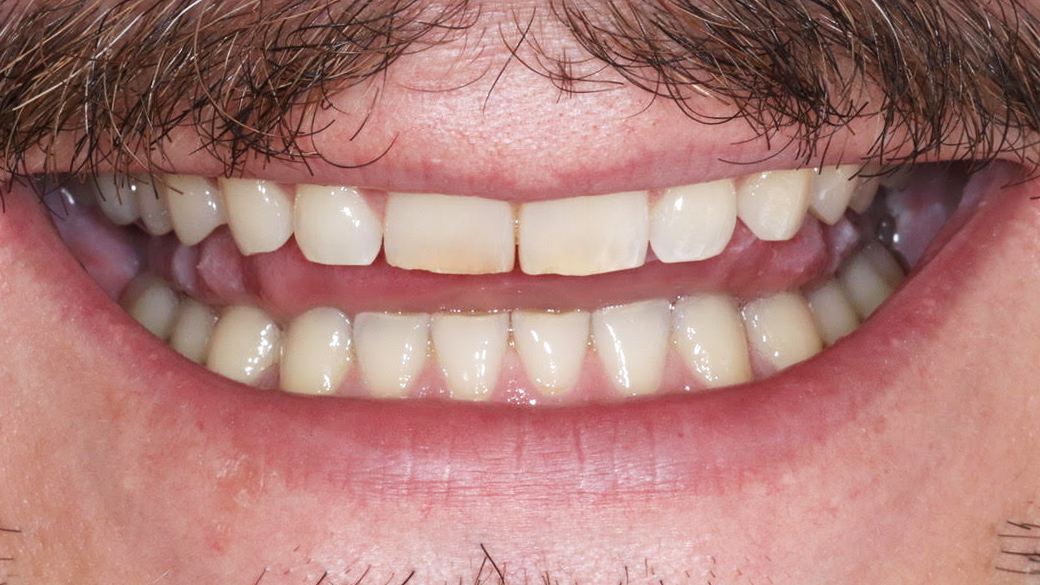
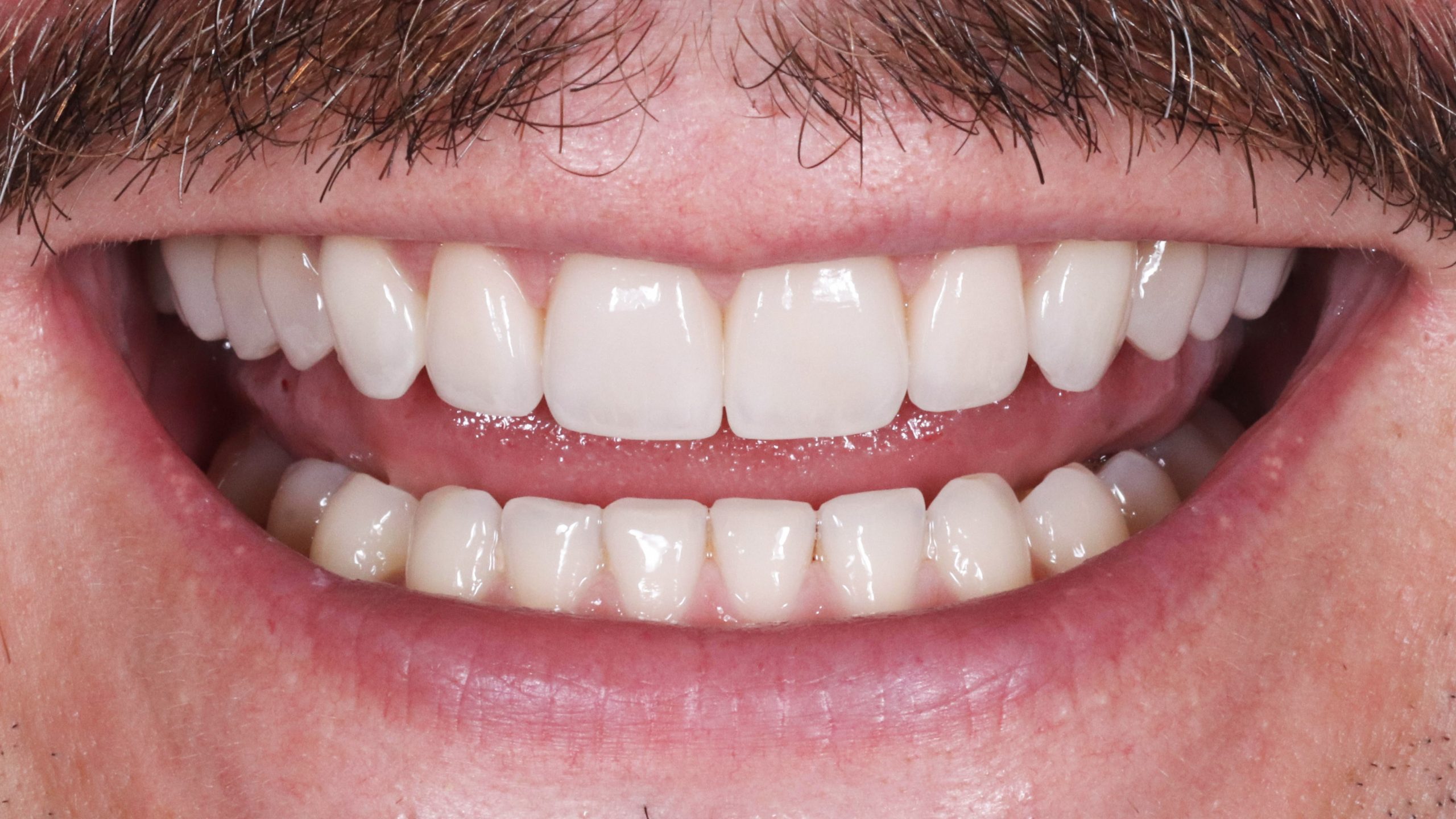
Bite elevation with partial crowns and veneers in combination with bleaching to change shape and color
After completing an alio loco orthodontic treatment, the patient was somewhat dissatisfied with the low visibility of his maxillary anterior teeth, tooth length, and tooth color
After the fabrication of a functional-aesthetic wax-up for bite elevation in the maxilla (upper jaw), an intraoral mock-up was performed to visualize the patient’s result in terms of esthetics and function. The aim was to raise the bite in the maxilla in order to create sufficient space for the reconstruction of the severely abraded teeth and the restoration of the anterior canine guidance.
This was followed by in-office bleaching and functional splint therapy for 3 months to check the new bite position.
Finally, the definitive implementation was completed as part of a complex overall restoration of the upper jaw with bite elevation using minimally invasive partial crowns and 360* veneers. The abraded mandibular incisors were also reconstructed with composite. The desired tooth color was thus restored with esthetic and functional success
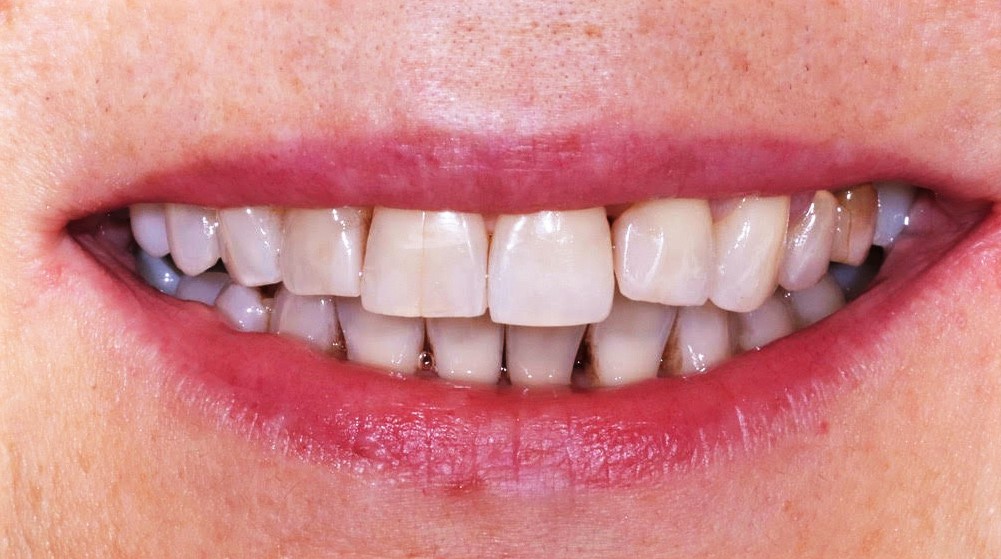
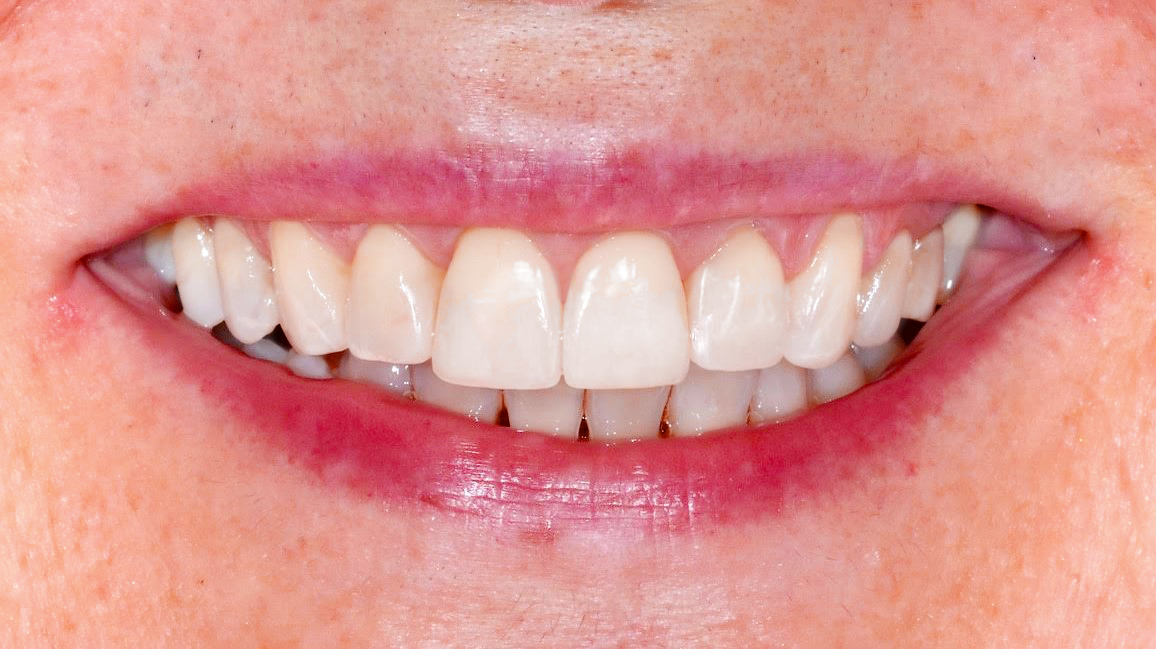
Correction and harmonization of the smile in combination with replacement of insufficient plastic fillings for the optimization of tooth lengths and widths
The patient was particularly disturbed by the disharmonic course of their upper dental arch and the height difference between the incisal edges of their central incisors
With the help of removable, transparent Invisalign aligners, the dental arches in the upper and lower jaw were shaped and harmonized in just 6 months. Finally, a minimally invasive composite buildup of the maxillary anterior was performed to restore the anterior canine alignment
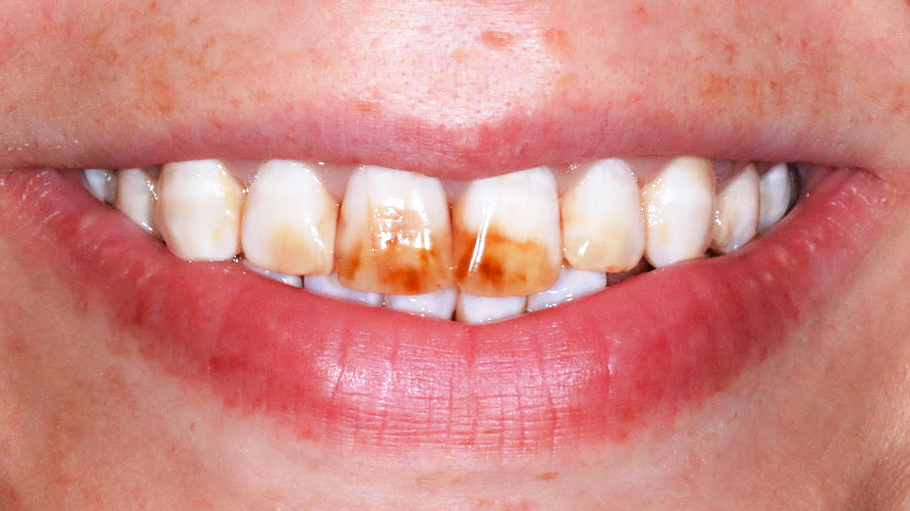
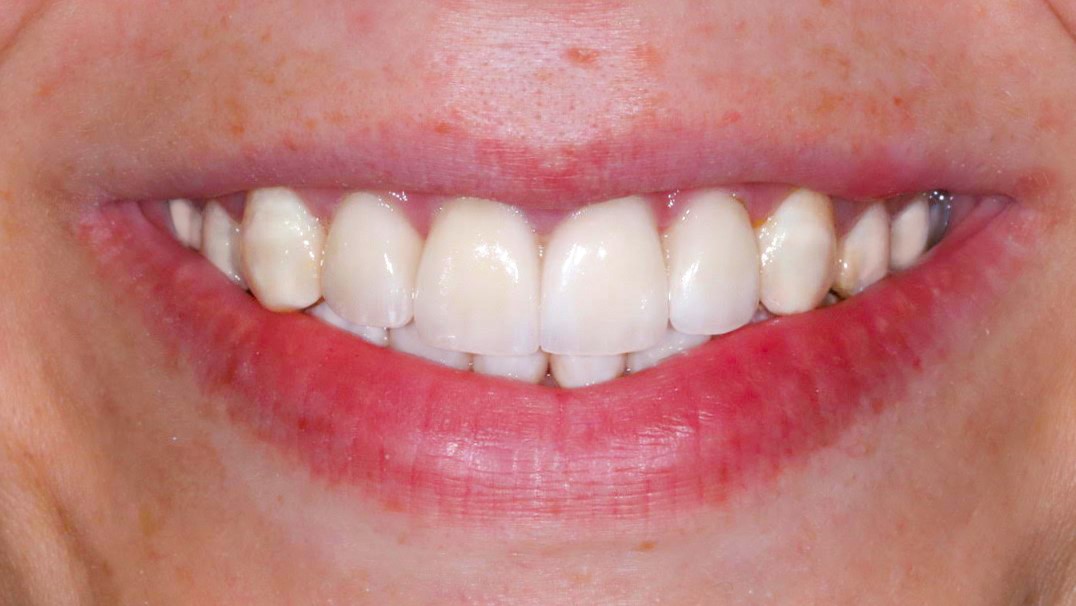
Veneers for aesthetic reconstruction of tetracycline-related enamel formation disorders
The patient was disturbed by their severe tetracycline-related enamel formation disorder that had been present since tooth eruption and had caused the surfaces of their teeth to be discolored. Such discoloration is built into the enamel and cannot be removed from the outside
By restoring the upper 4 incisors with minimally invasive all-ceramic veneers, a beautiful radiant smile was restored for the patient
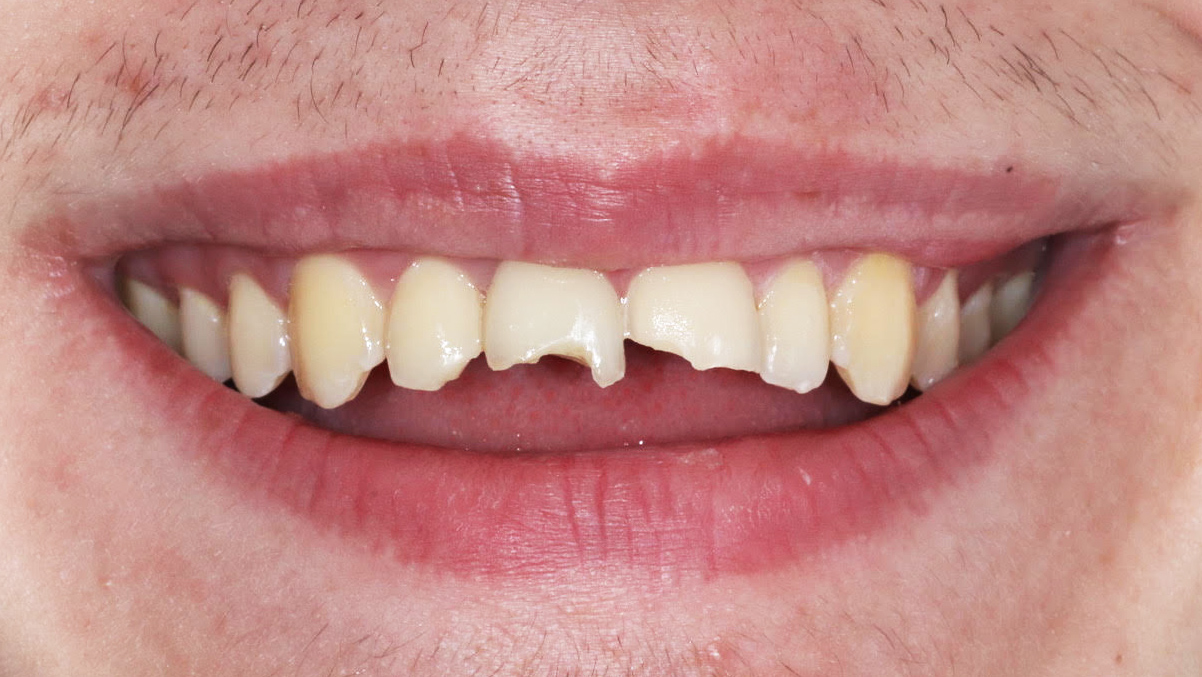
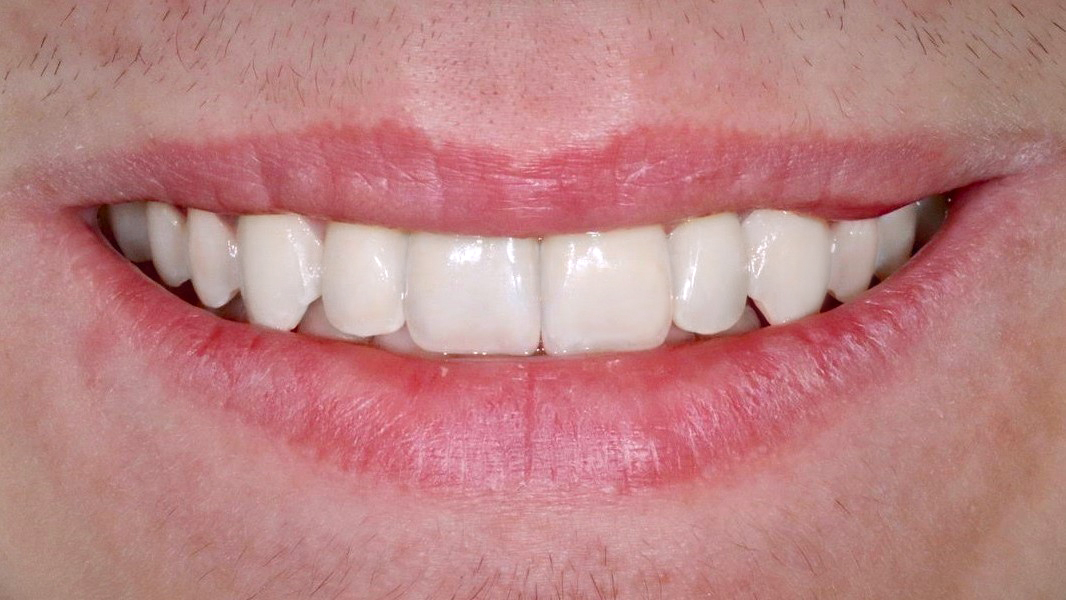
Veneers of the maxillary incisors after accidental anterior tooth trauma
After an anterior trauma, the patient presented with severely fractured anterior teeth
After initial temporary composite restoration, all-ceramic partial crowns were used to reconstruct the fractured incisors and achieve exactly the same appearance as before the accident
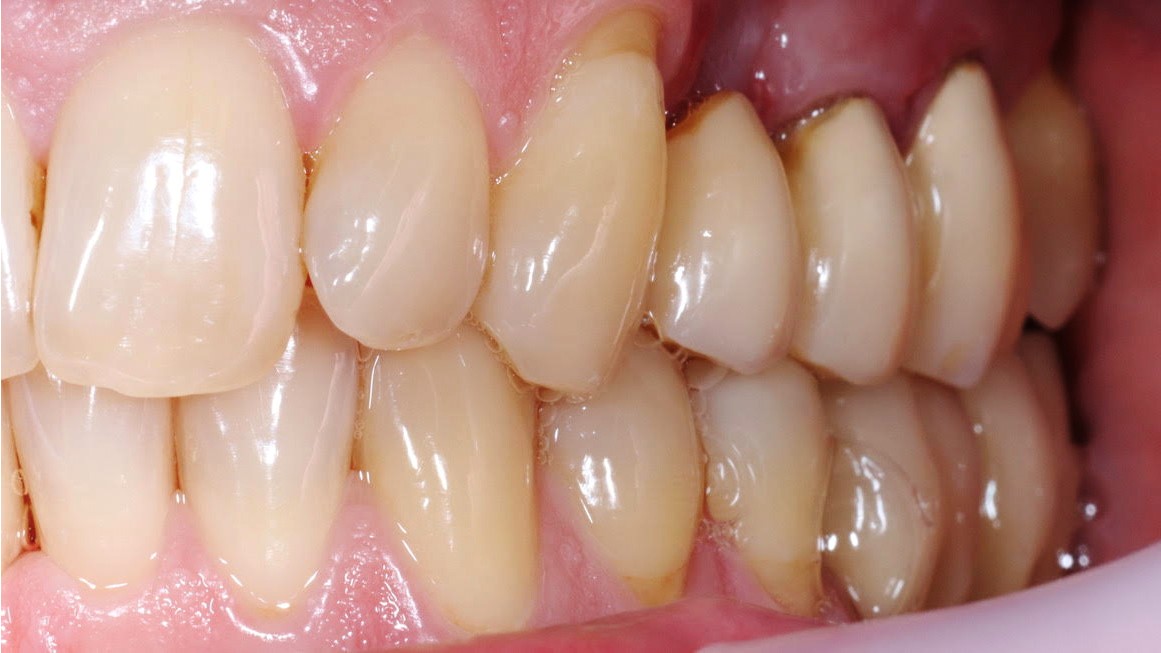
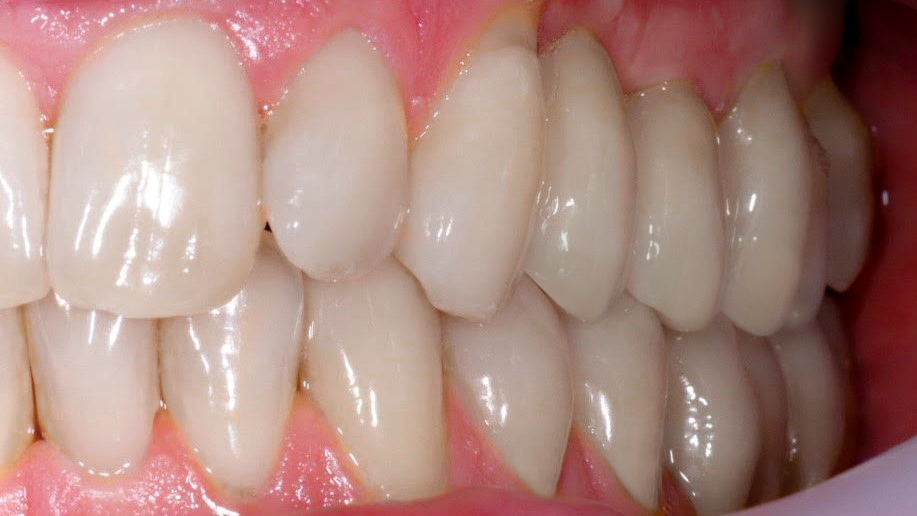
Gum correction by soft tissue augmentation and replacement of leaking bridge
The patient presented with an insufficient bridge in the left maxilla. He was particularly disturbed by the sunken course of the mucous membrane, since this area was particularly visible when he laughed
Although implant placement in this area was out of the question for the patient, the existing defect could be filled with the help of a soft tissue graft. The idealized design of the new bridge restoration allowed the defect to be completely closed
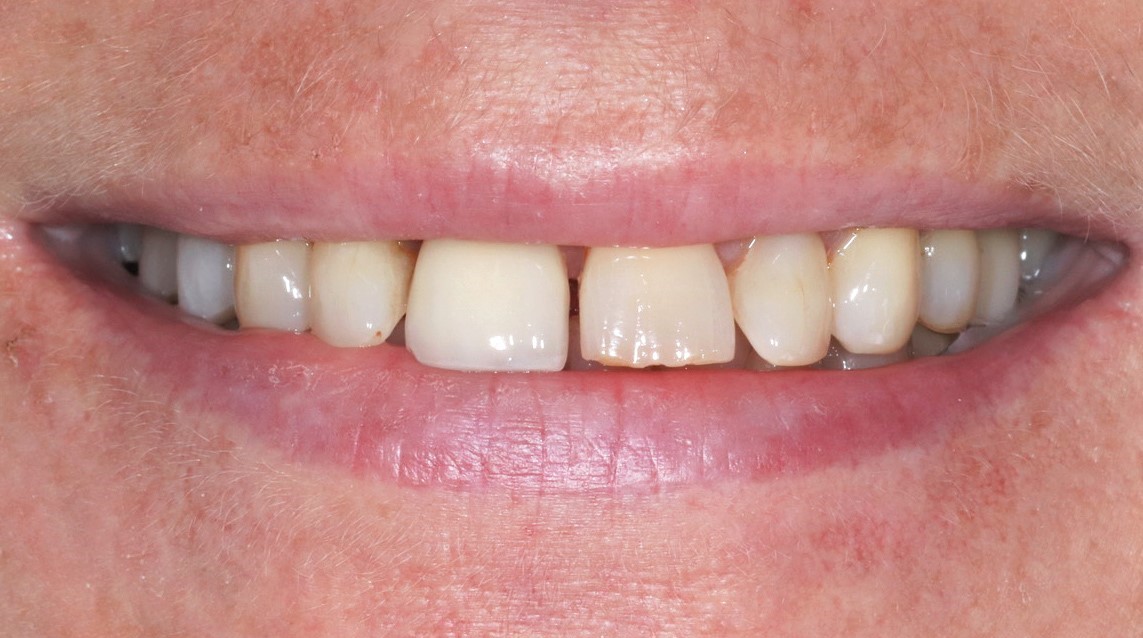
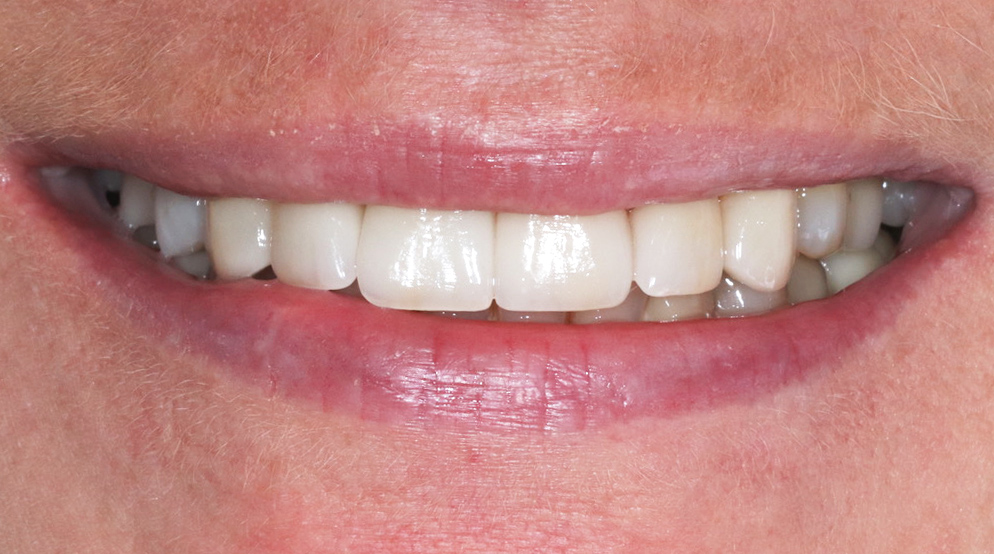
New restoration of the upper jaw with all-ceramic veneers, partial crowns and crowns
The patient was troubled by the gap position of the upper anterior teeth, as well as the spalling of the upper central incisor and the canines on both sides
After detailed consultation and planning, the esthetic and functional rehabilitation of the upper jaw was discussed with the patient. The upper 6 anterior teeth were restored with an all-ceramic crown on implant, partial crowns and veneers
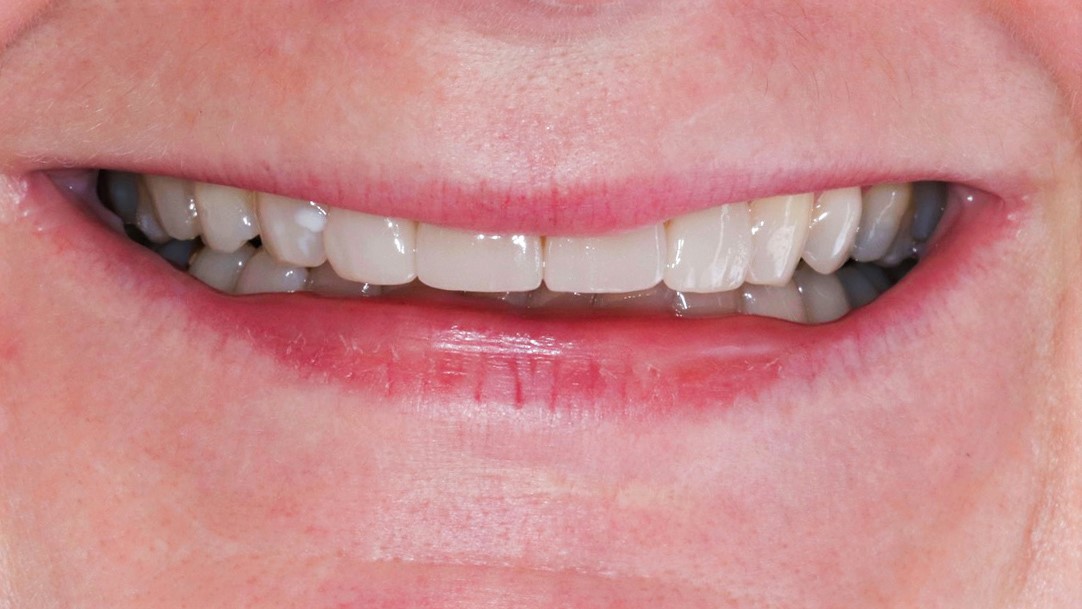
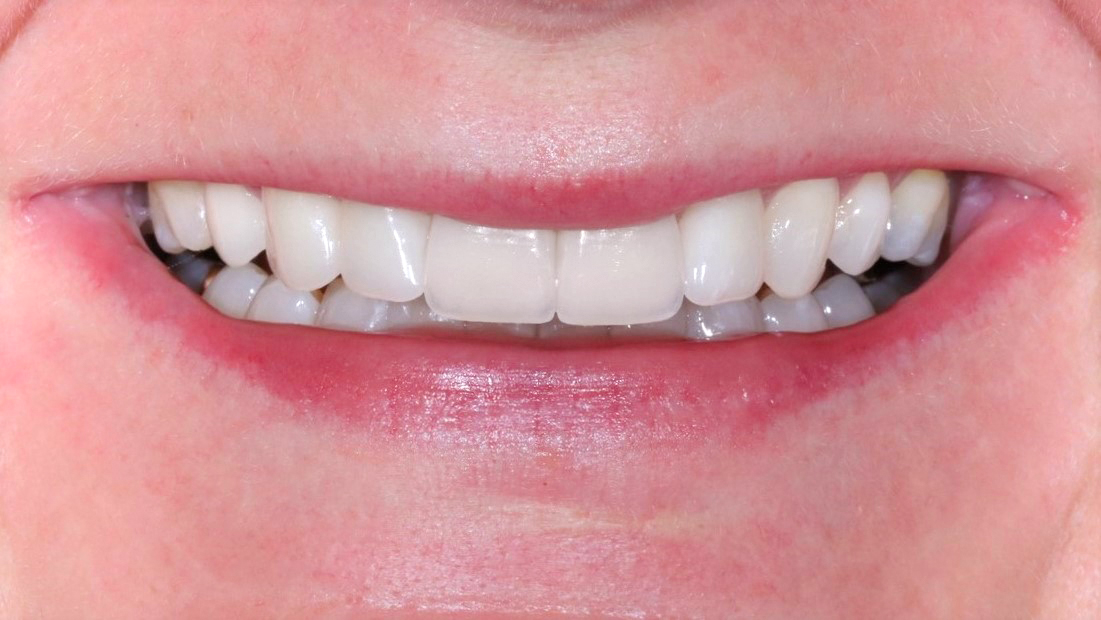
Bleaching and renewal of the existing veneers in combination with composite structures
The patient was no longer happy with the color and shape of her existing anterior veneers. The overall length was too short, the corresponding length ratios of the first and second incisors did not match each other, and the canines were heavily worn, which on the one hand severely limited the esthetics and on the other hand negatively influenced the function (anterior canine guidance)
In order to restore the esthetics of her smile, an in-office bleaching was performed in our practice in advance to achieve the patient’s desired color. Subsequently, the 4 anterior teeth were restored with new, wafer-thin ceramic veneers. In order to fully restore the canine guidance and esthetics, the canine tips were minimally built up invasively with composite abutments. Length ratios were optimized and a beautiful radiant smile was restored
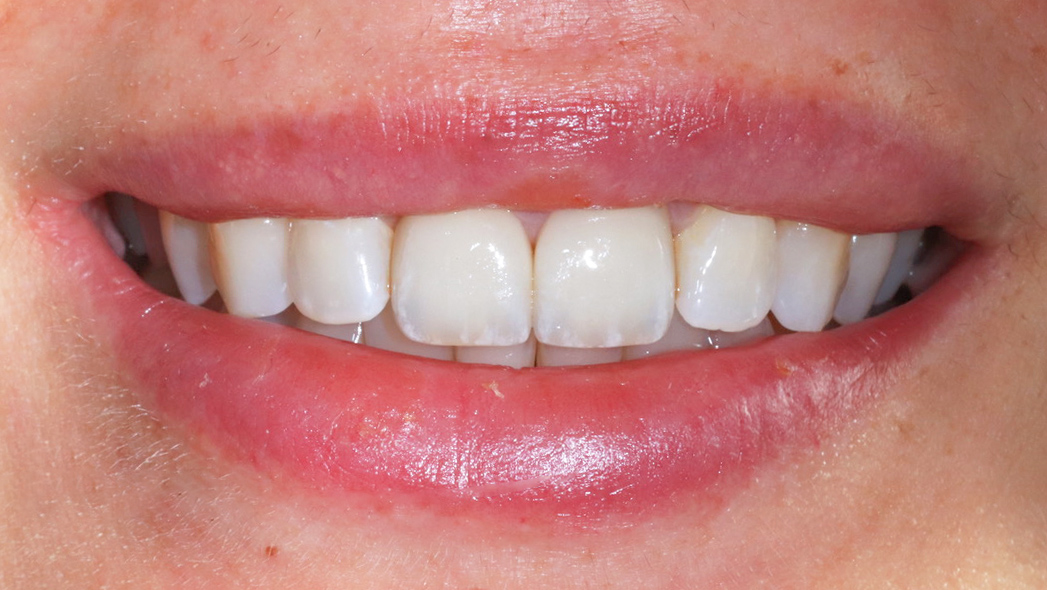
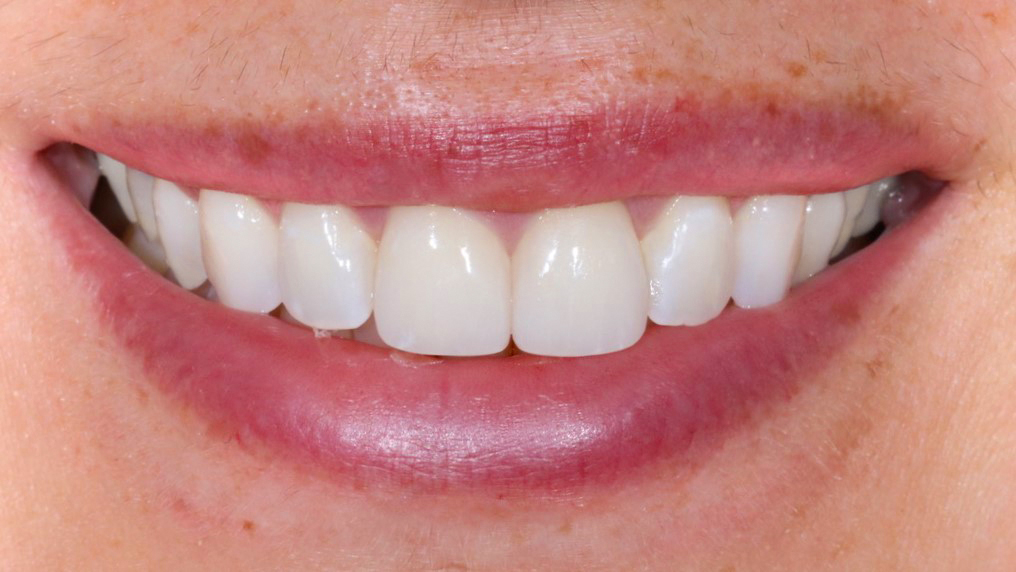
Bleaching and veneers in combination
The patient wished to have a brighter smile and to have her existing, grayish veneers resurfaced
After home bleaching with bleaching trays custom-made in our practice, the two central incisors were restored with new veneers. These were bonded to the tooth surface using adhesive technology. This made it possible to create an invisible restoration for an aesthetically perfect, natural smile
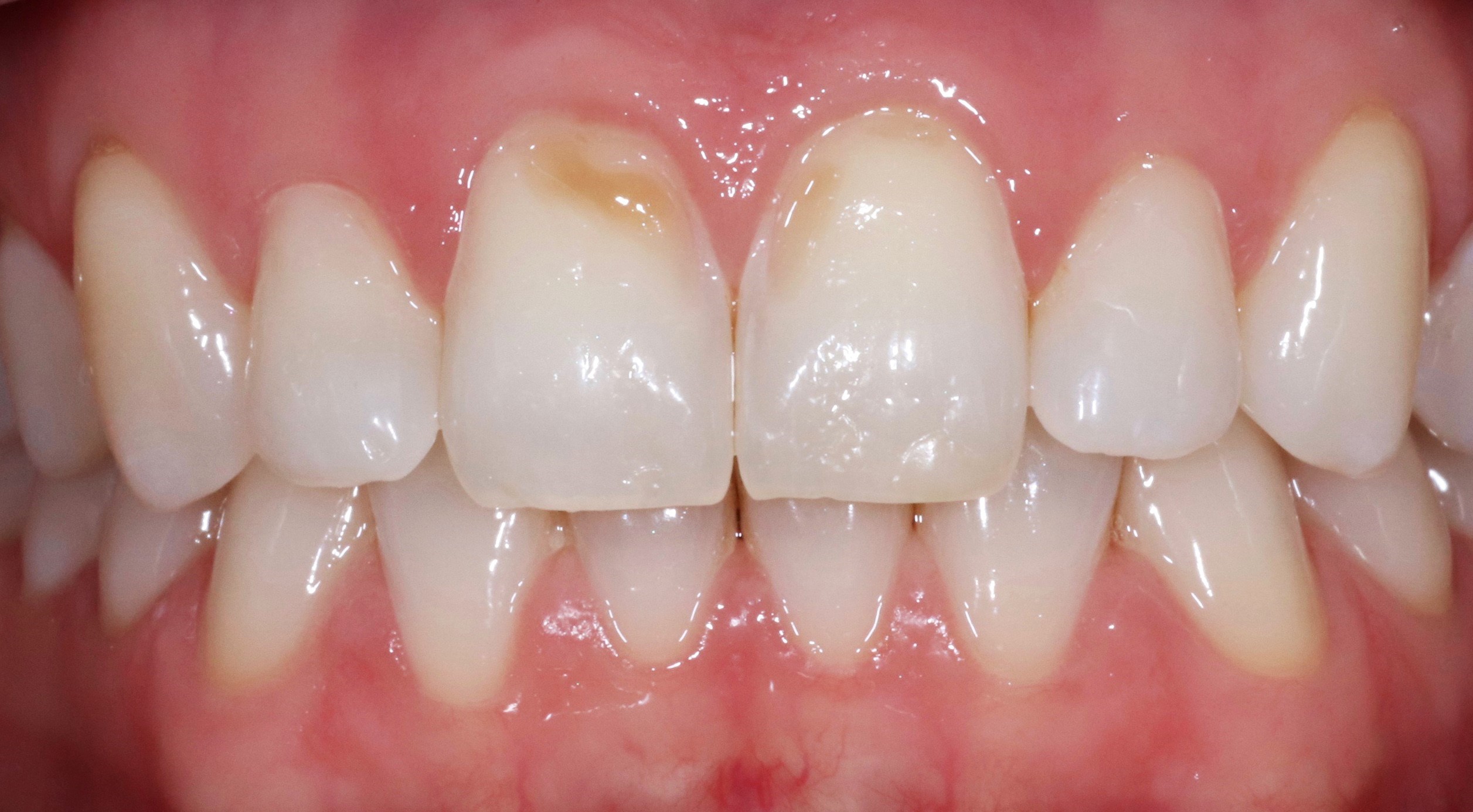
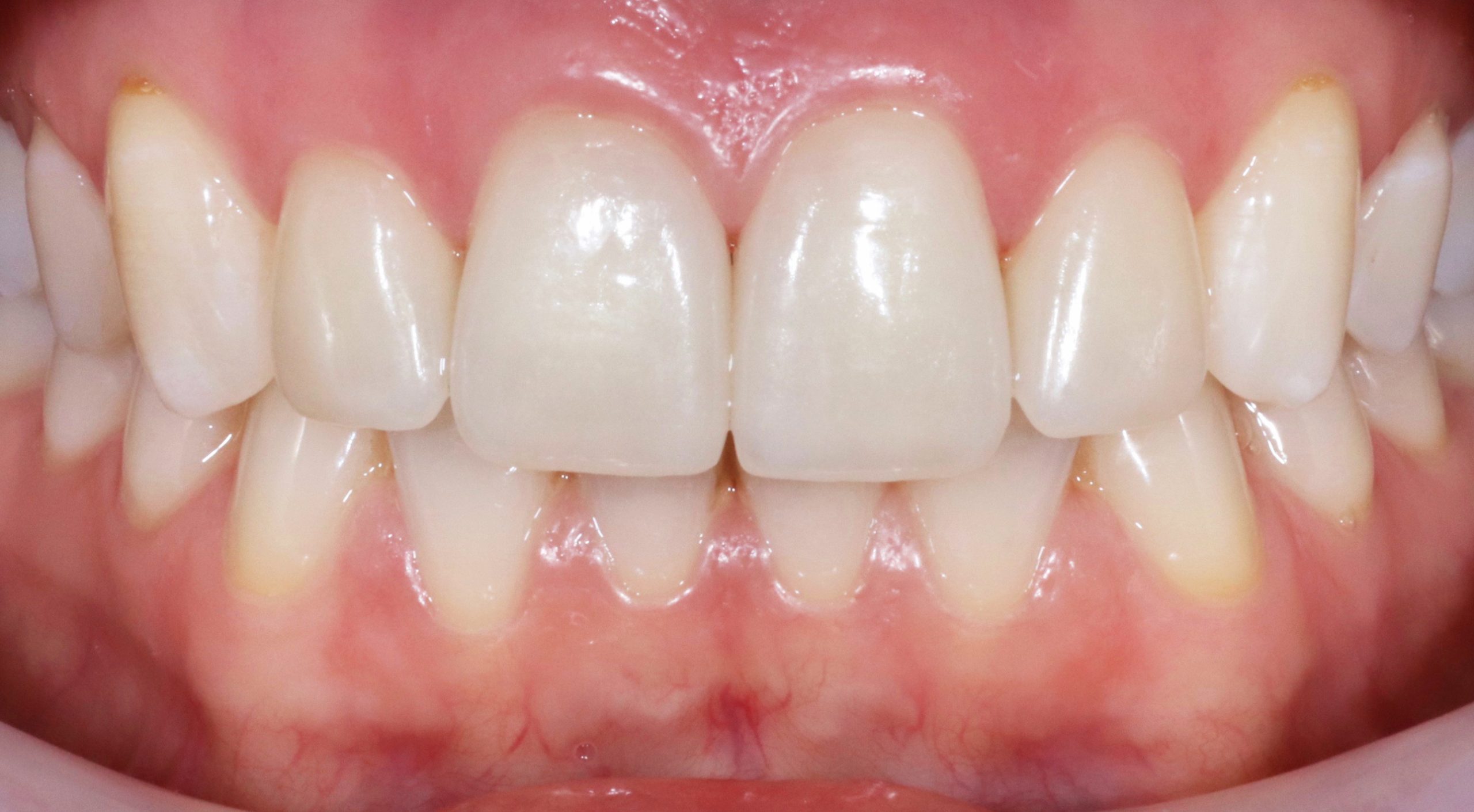
Veneers of the upper incisors for the treatment of enamel defects
There were severe yellow-brownish enamel defects on the two upper central anterior teeth as well as noticeable fillings on the tooth necks of the lateral anterior teeth. The patient wanted a long-term durable and color-perfect restoration in ceramic
The four upper incisors were restored with thin, highly esthetic ceramic veneers. This involved minimally invasive preparation (purely in the enamel). The veneers are bonded to the tooth surface (adhesive technique); no visible margins or transitions are left
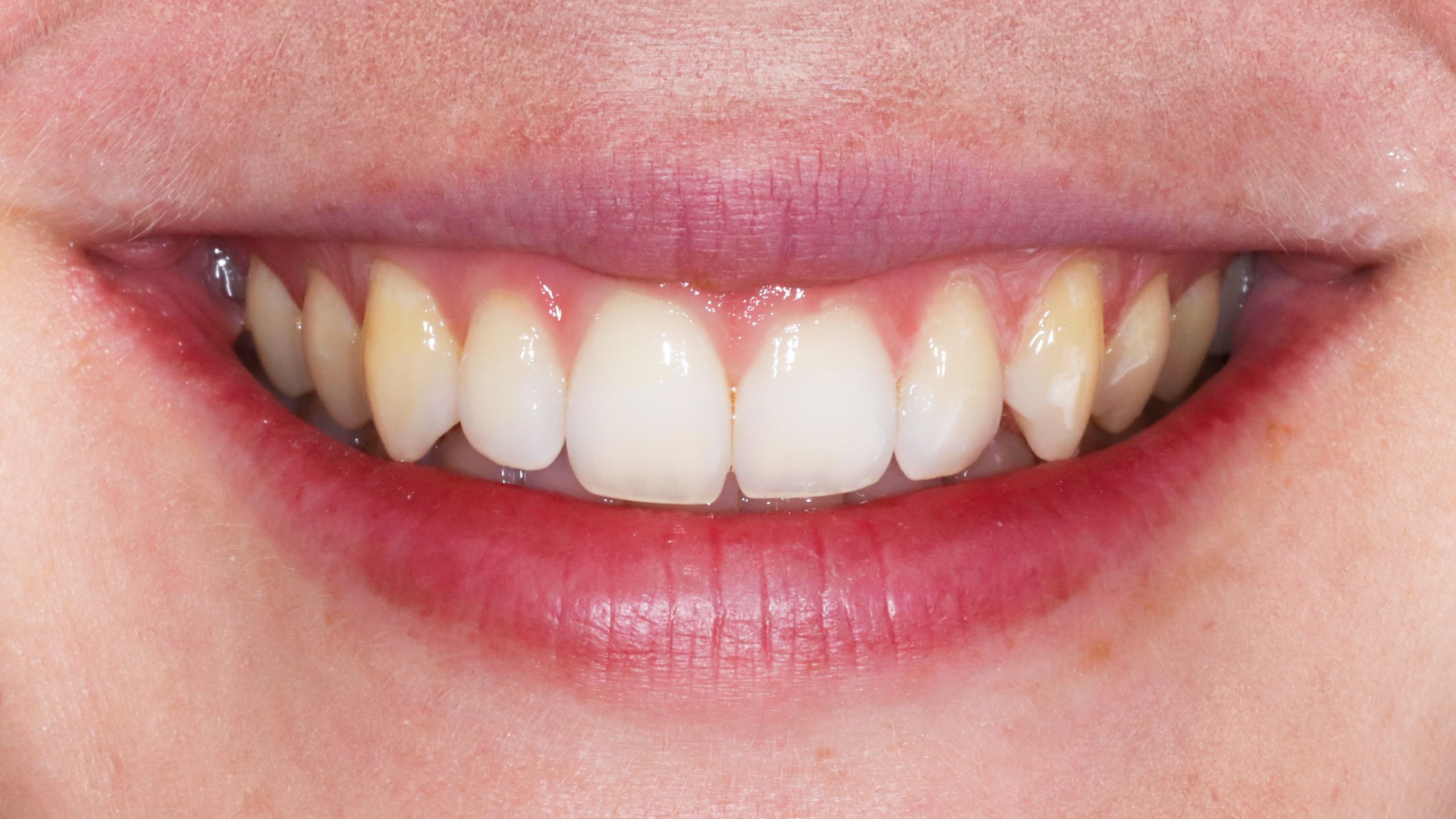
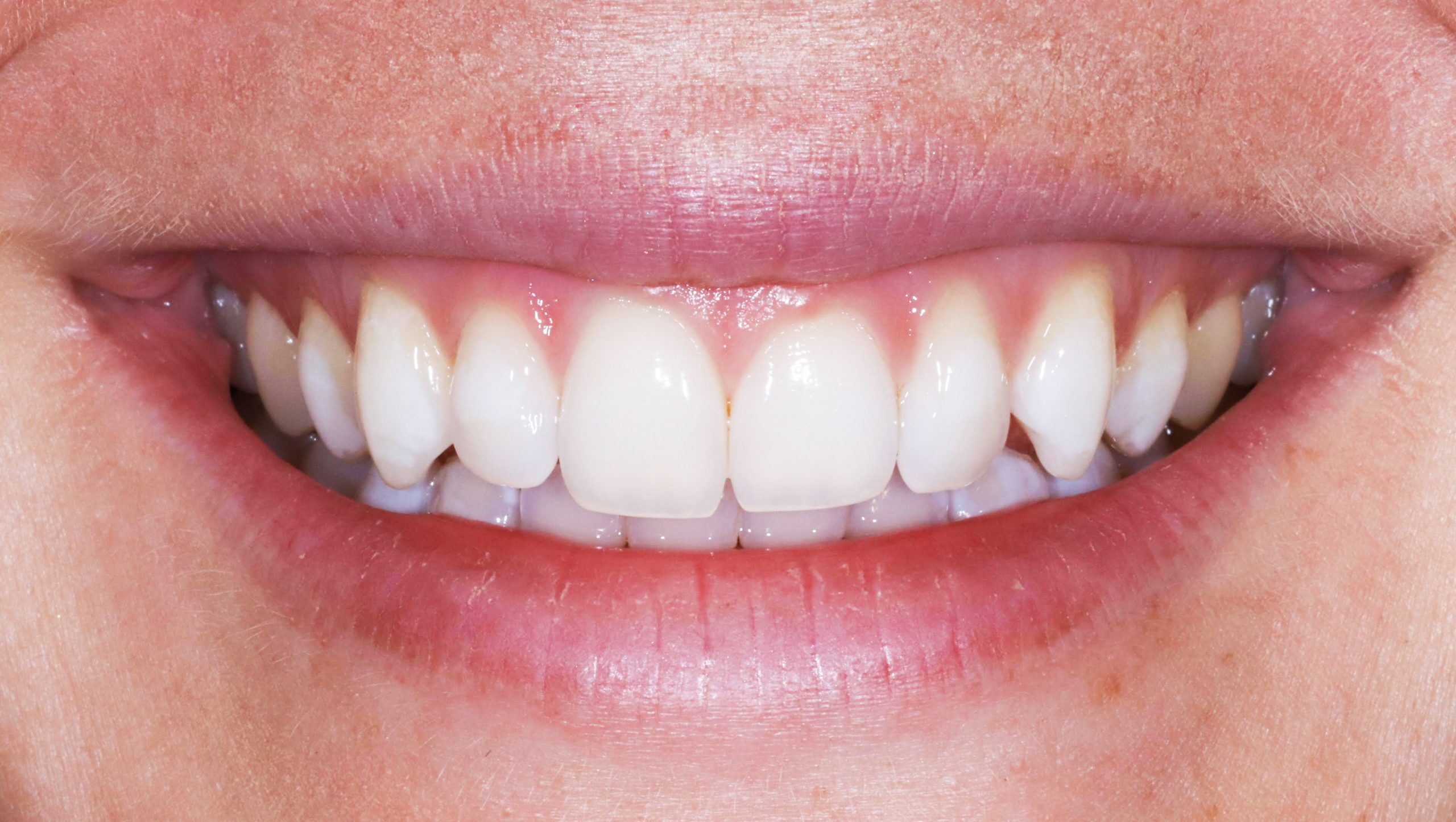
Teeth whitening by in-office bleaching
The patient wanted a brighter smile with a brighter tooth color
The patient decided to have an in-office bleaching in our practice. In just 1.5 hours, we were able to brighten the patient’s tooth to the desired tooth color
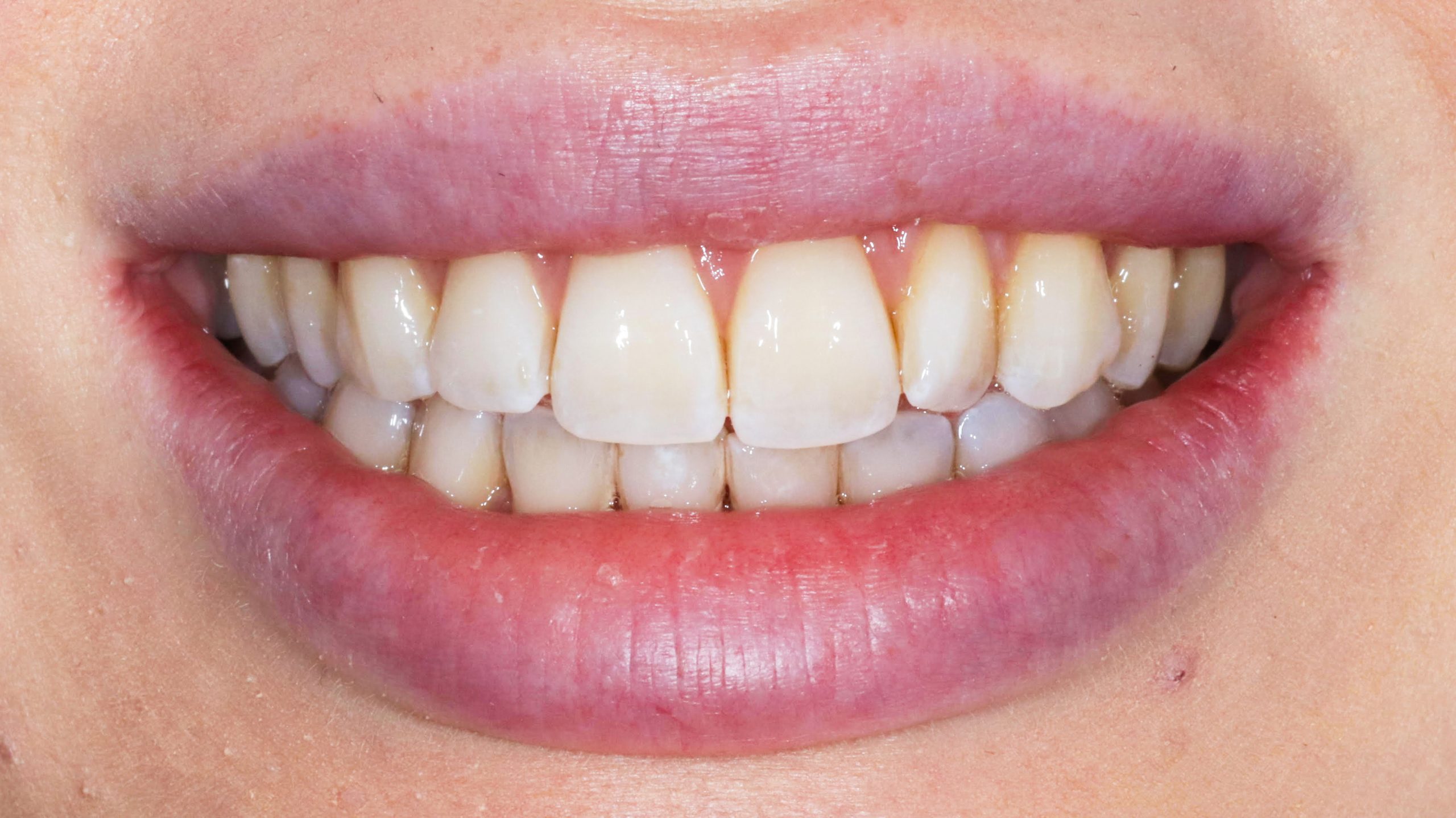
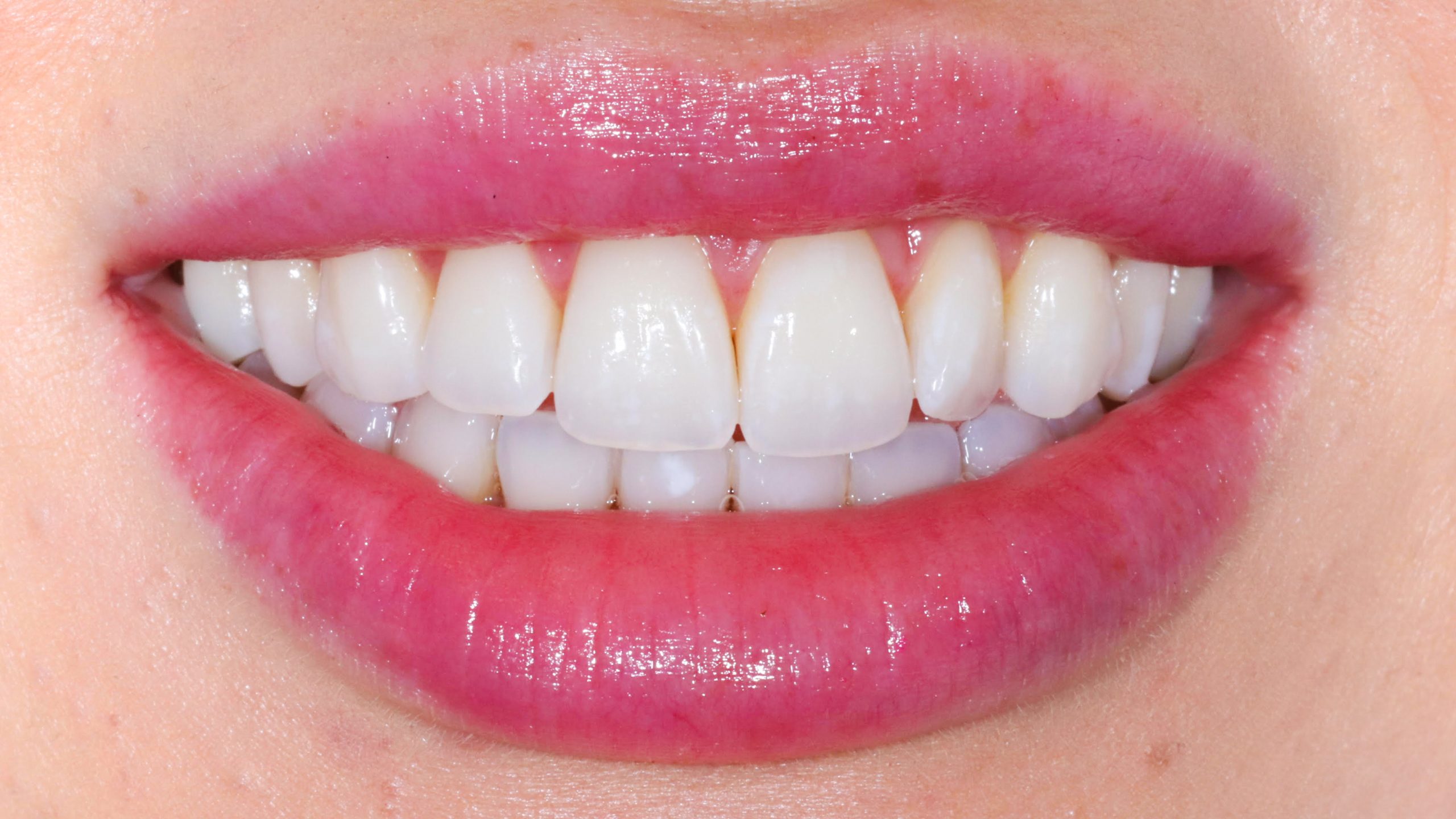
Teeth whitening by in-office bleaching
The patient wanted a brighter smile with a brighter tooth color
The patient decided to have an in-office bleaching in our practice. In just 1.5 hours, we were able to brighten the patient’s tooth to the desired tooth color
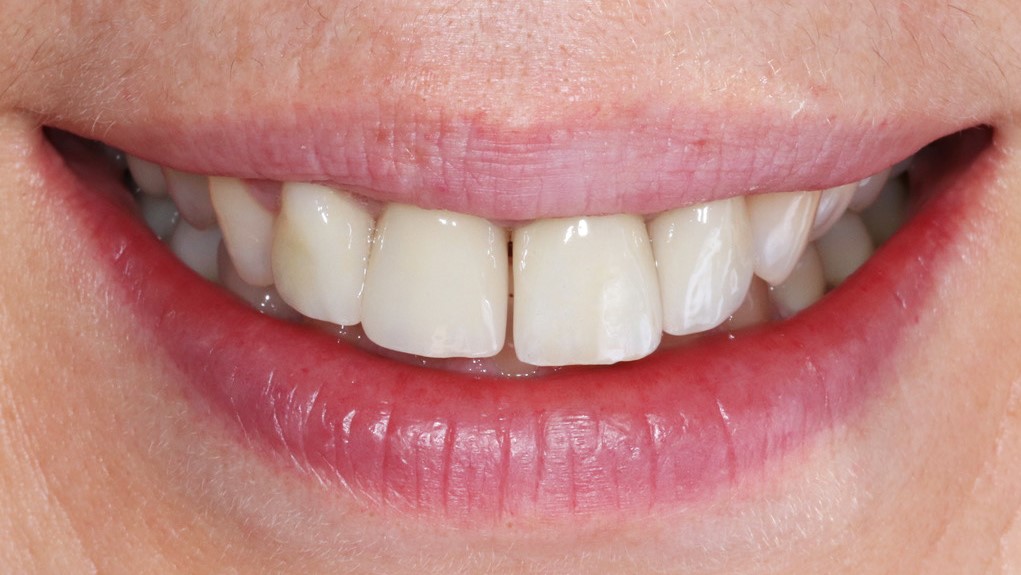
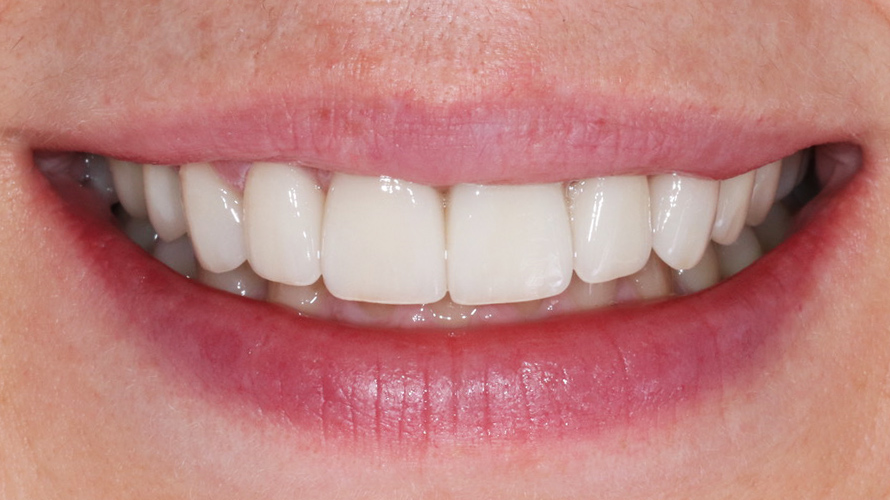
New restoration of the upper jaw with all-ceramic veneers and crowns
The patient was disturbed by the very dominant anterior restorations of the upper four incisors, one of which had loosened a crown and resulted in a gap between the teeth. In addition, they were metal-ceramic crowns that appeared very opaque and artificial
After detailed consultation and planning, the esthetic and functional rehabilitation of the maxilla was discussed with the patient. For this purpose, it was necessary to restore posterior teeth in addition to the 4 incisors in order to create a stable anterior canine. In addition, this allowed the upper dental arch to be shaped in order to widen the smile. The teeth were restored with all-ceramic crowns, partial crowns and veneers

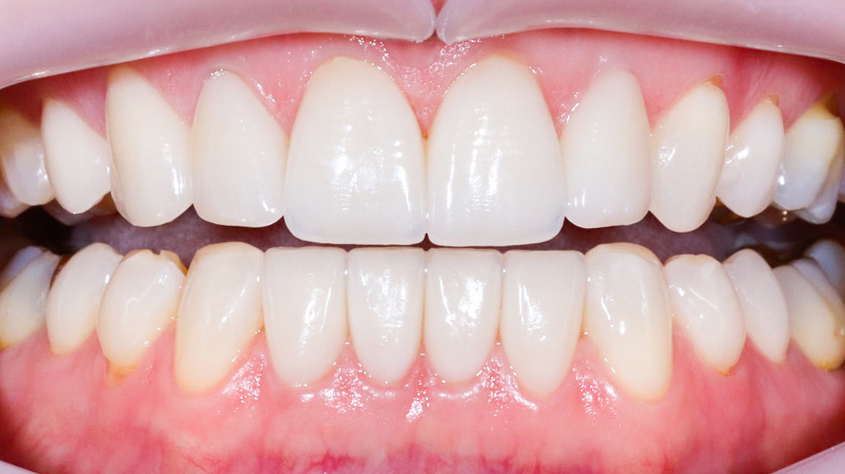
Optimization of tooth position and tooth lengths using veneers
The patient was disturbed by the interlocked tooth position of the lower front teeth, as well as the different and inconsistent colors and lengths of the front teeth
By fabricating wafer-thin ceramic veneers, the tooth position of the mandibular anterior teeth could be idealized and the lengths and color differences of the maxillary teeth could be compensated. The result was a perfect smile
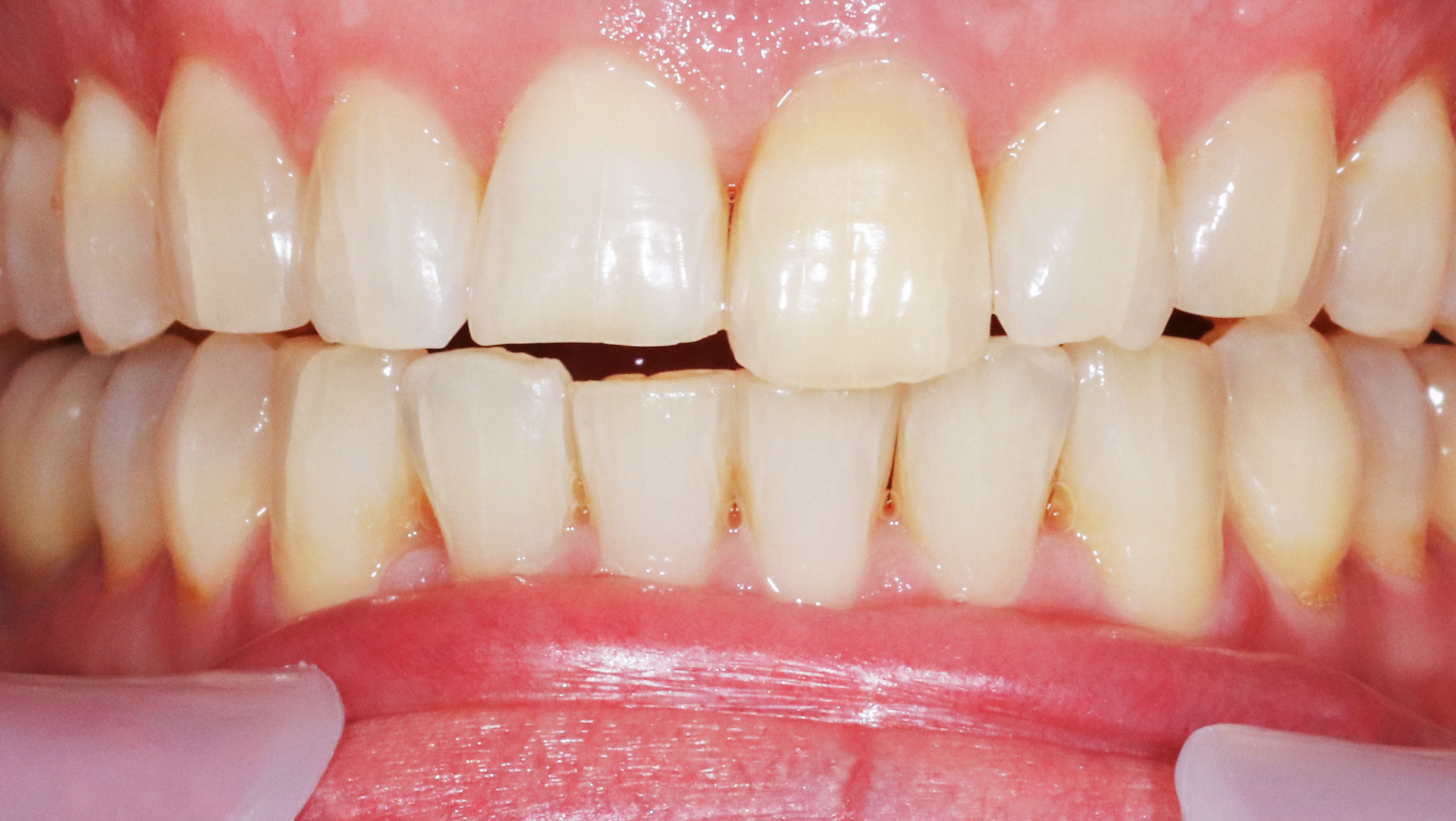
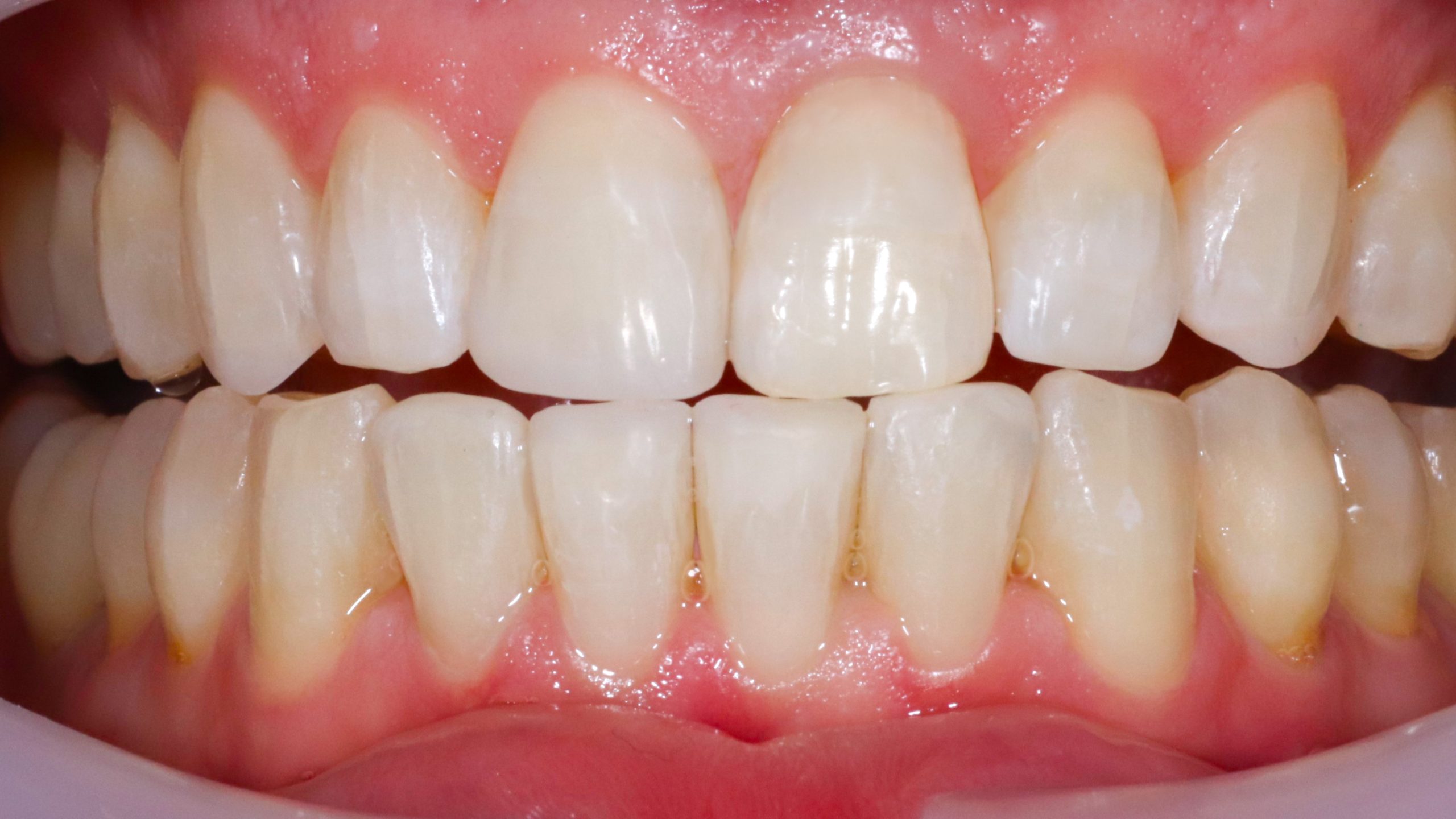
Smile correction for unequal tooth length
The patient presented with unequal length anterior teeth with severe abrasion (loss of tooth substance) on the anterior teeth in the maxilla and mandible
With the help of composite, the tooth lengths of the upper and lower anterior teeth were adjusted directly in the patient’s mouth within only one treatment session according to esthetic and functional aspects
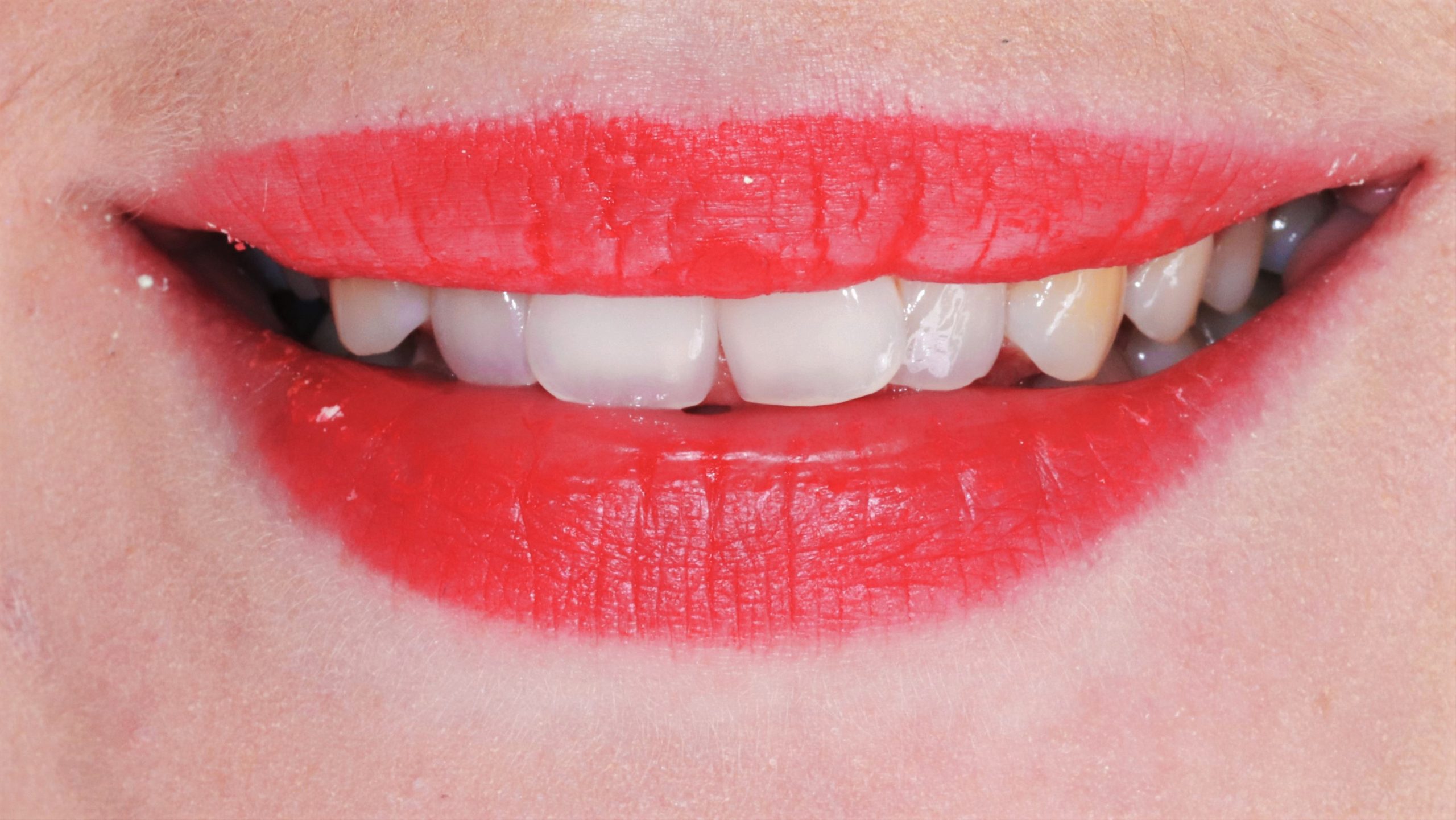
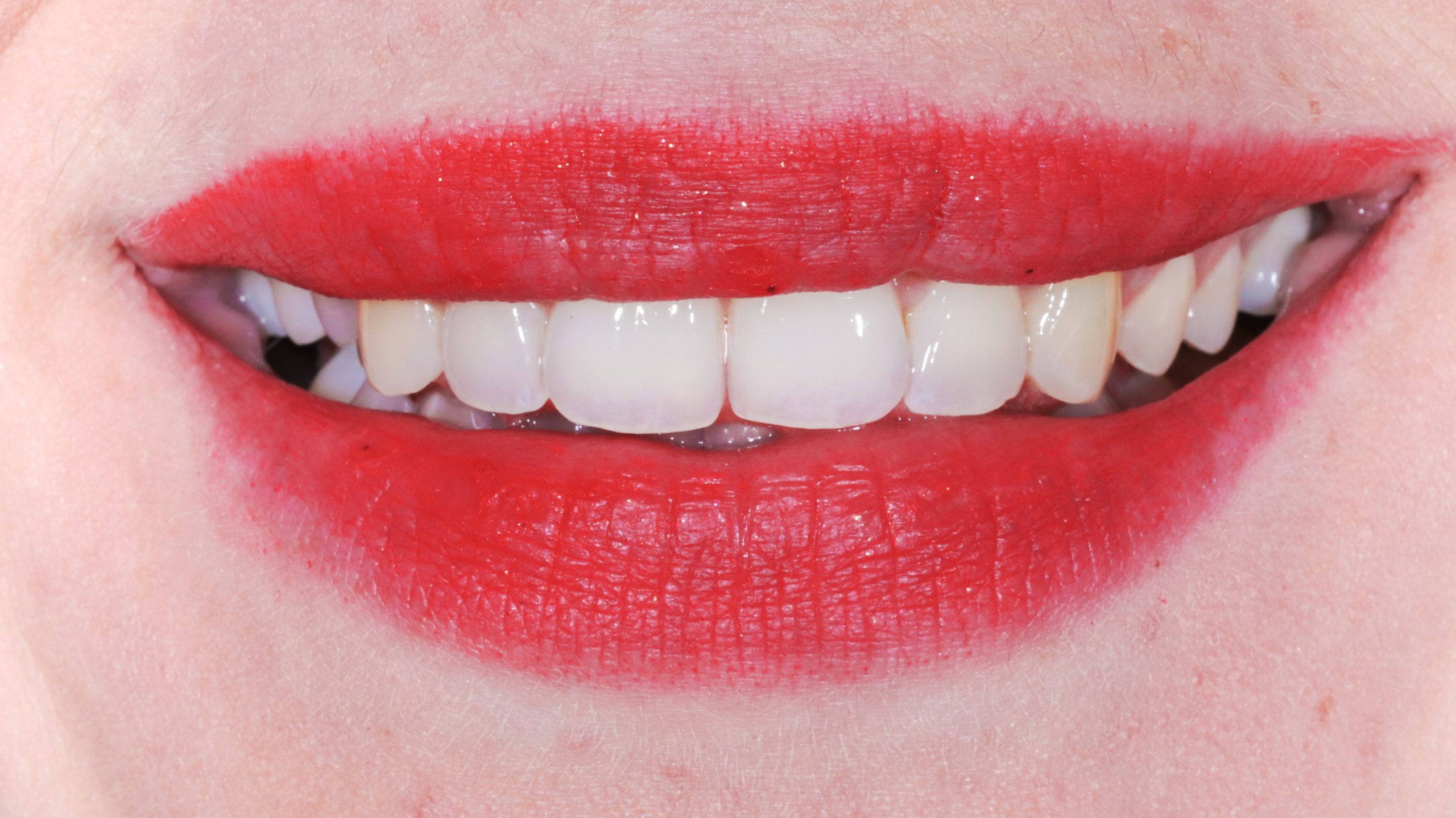
Correction of a dental malocclusion and widening of the smile
The patient was mainly disturbed by the diverging and interlocked anterior teeth. In addition, the missing buccal corridor on her right side
With the help of removable, transparent Invisalign aligners, the dental arches in the upper and lower jaw could be shaped and harmonized in only 4 months
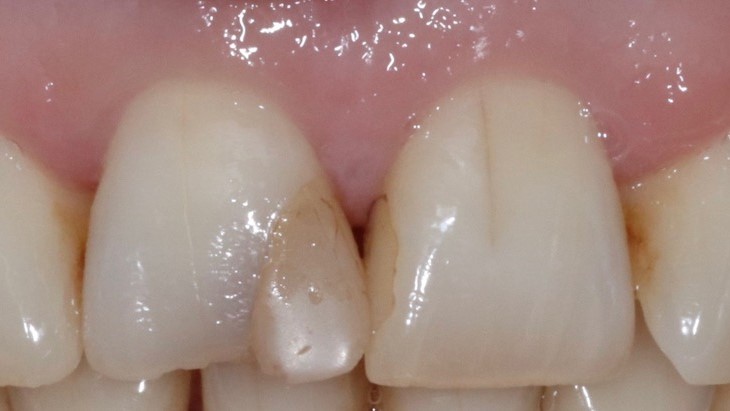
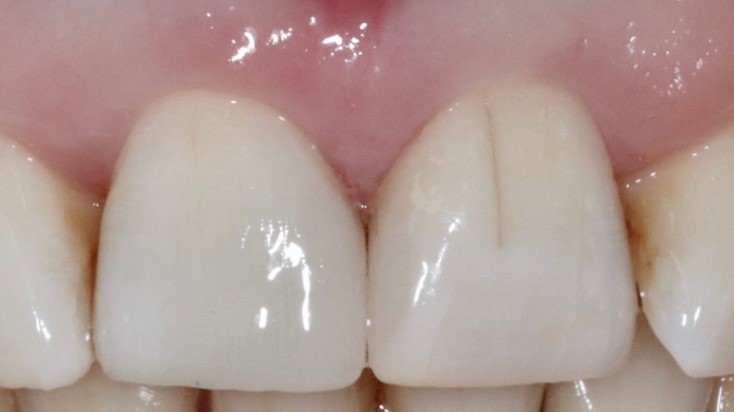
Replacement of insufficient plastic fillings
The patient was troubled by the severely discolored and carious anterior fillings of the central incisors
The fillings were replaced and reconstructed with highly esthetic composite materials
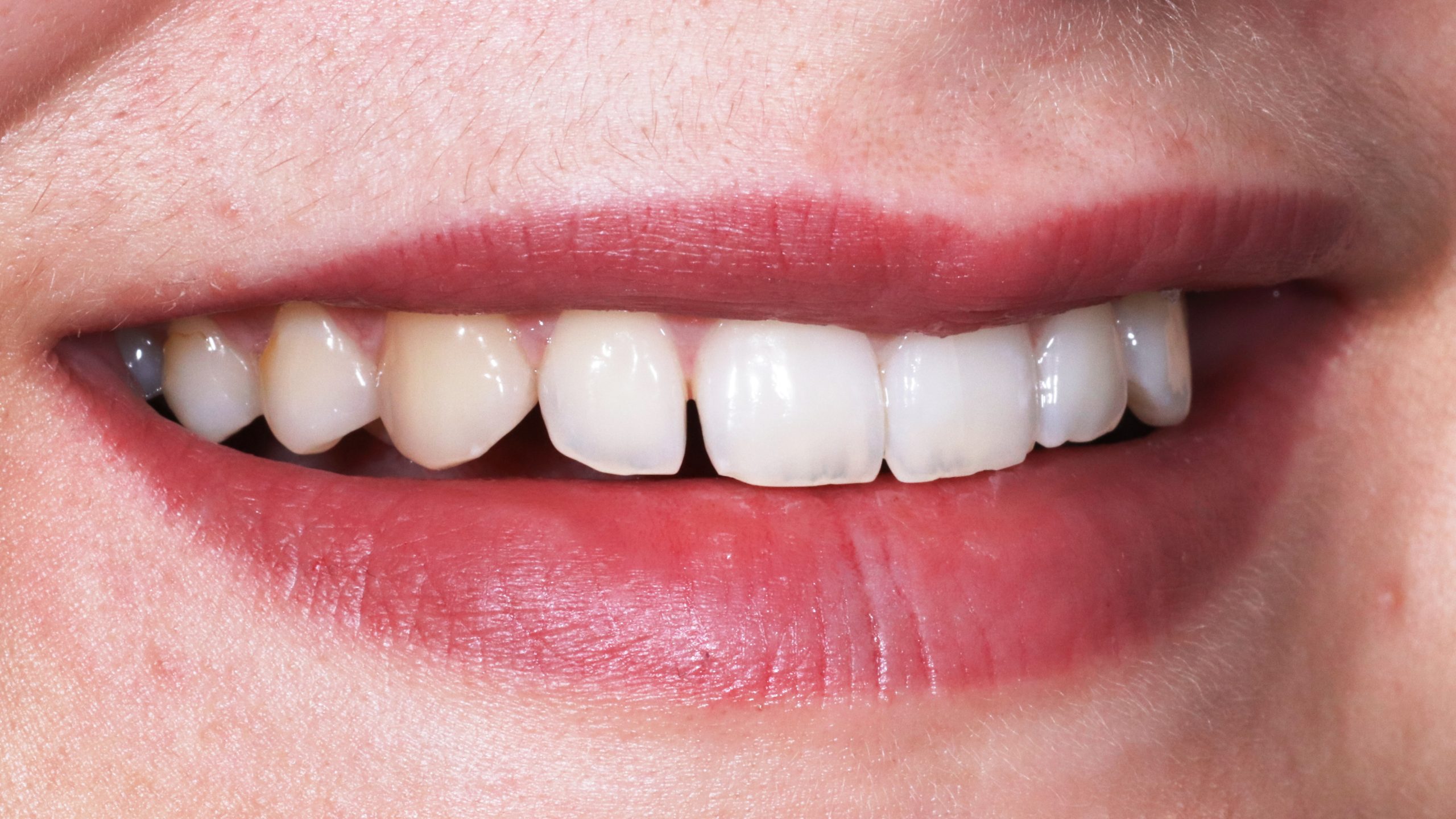
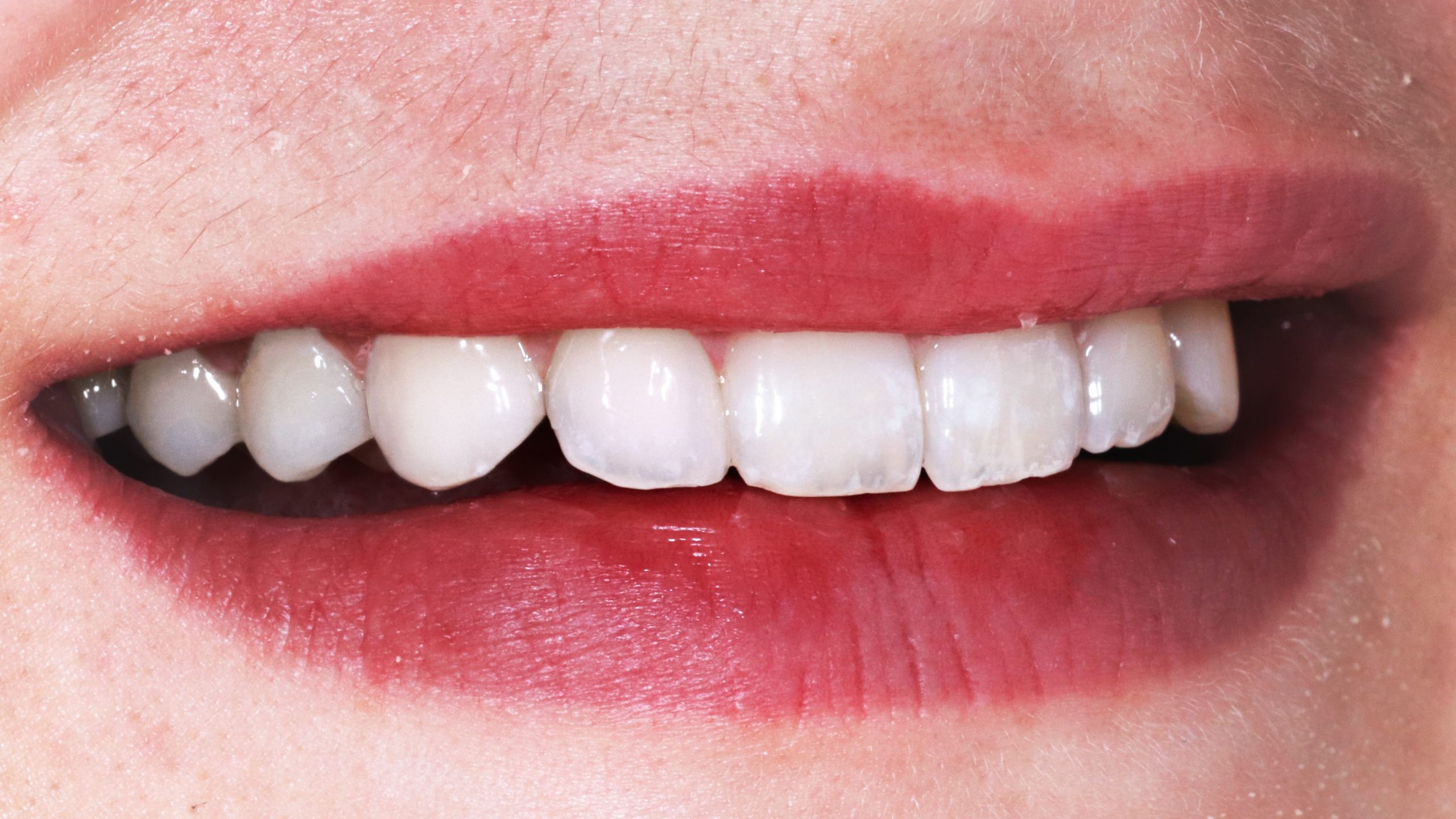
Closing of tooth gaps with composite
After completing orthodontic treatment, the patient disturbed her tooth gap between the central and lateral incisor on the upper right side
The possible options were discussed in detail with the patient:
- Close the gap by widening the lateral incisor with composite.
- Closing the gap with a single ceramic veneer (advantage of longer durability and color stability in contrast to composite)
Since the patient did not want minimal preparation of the tooth surface, she decided to close the gap with composite
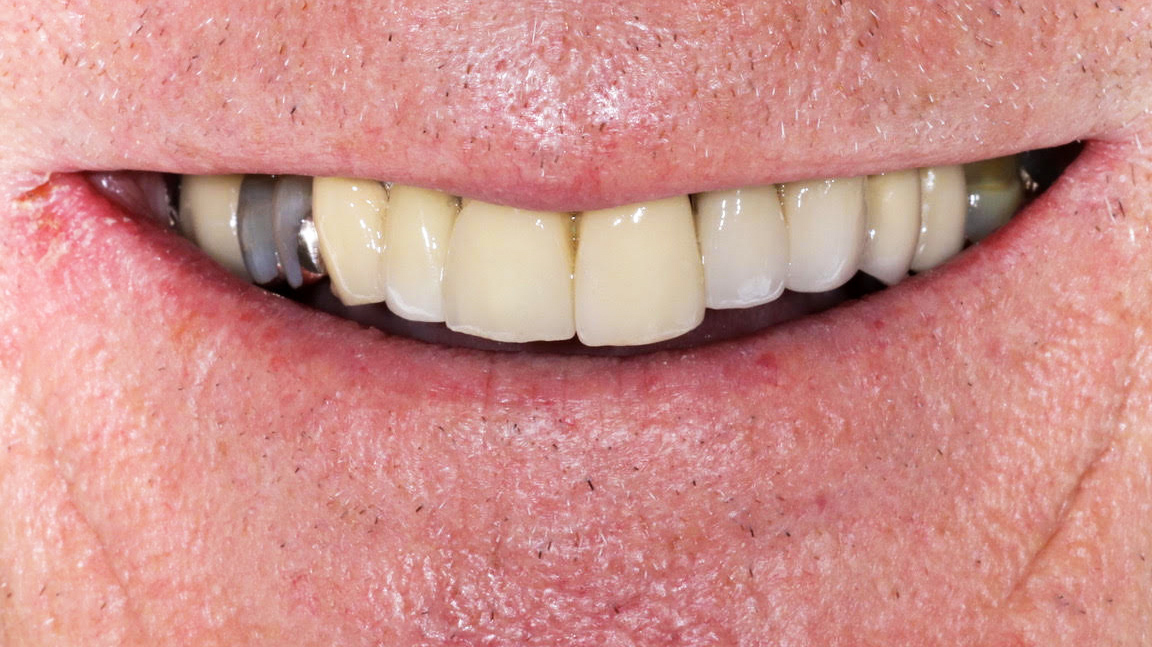
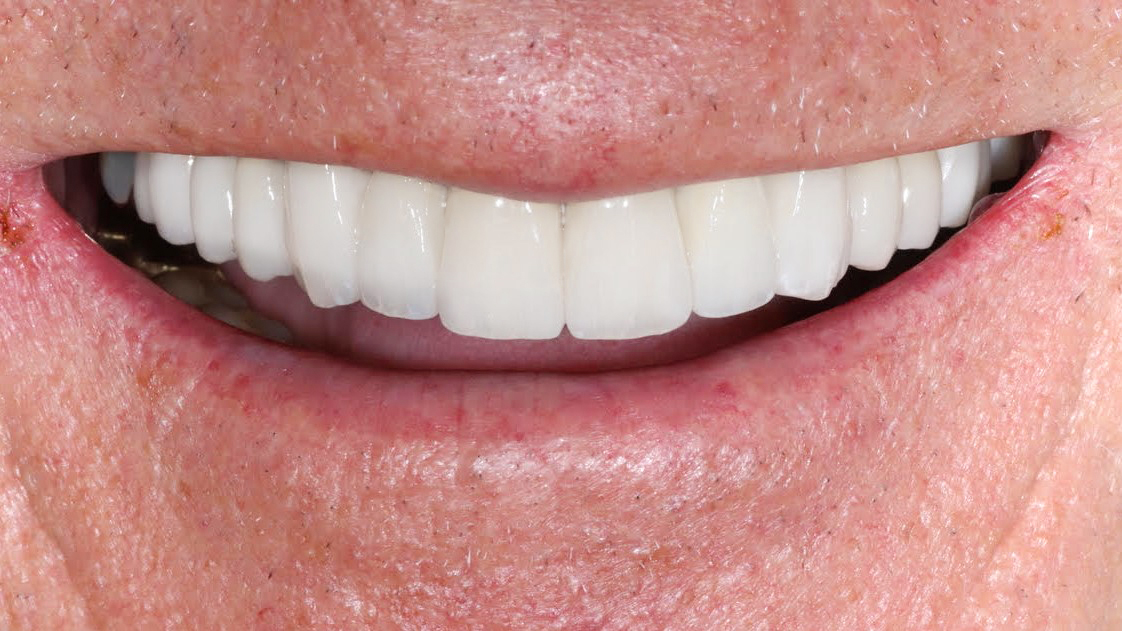
New restoration of the maxilla with all-ceramic crowns on teeth and implants
The patient was worried over his more than 30-year-old restorations in the maxilla whereon caries had formed at the crown margin. He wanted a more harmonious smile and a correction of his tooth color
After extensive consultation and planning, we opted for a prosthetic rehabilitation in the form of 14 new all-ceramic crowns in the upper jaw. The design was based on functional and esthetic aspects. This made it possible to create a harmonious smile with a smile line that followed the course of the lips, and an adjustment of the tooth color according to the patient’s wishes
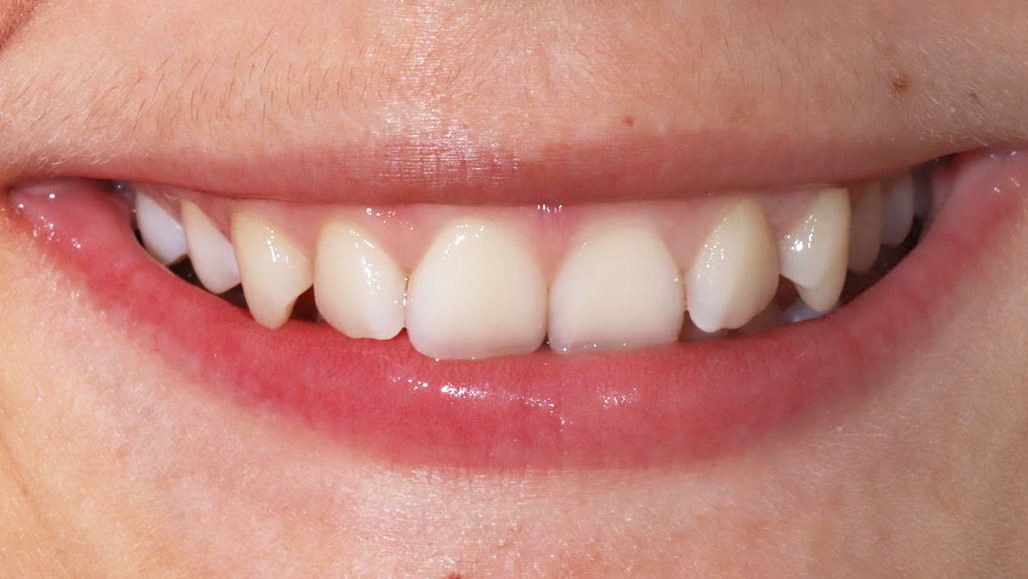
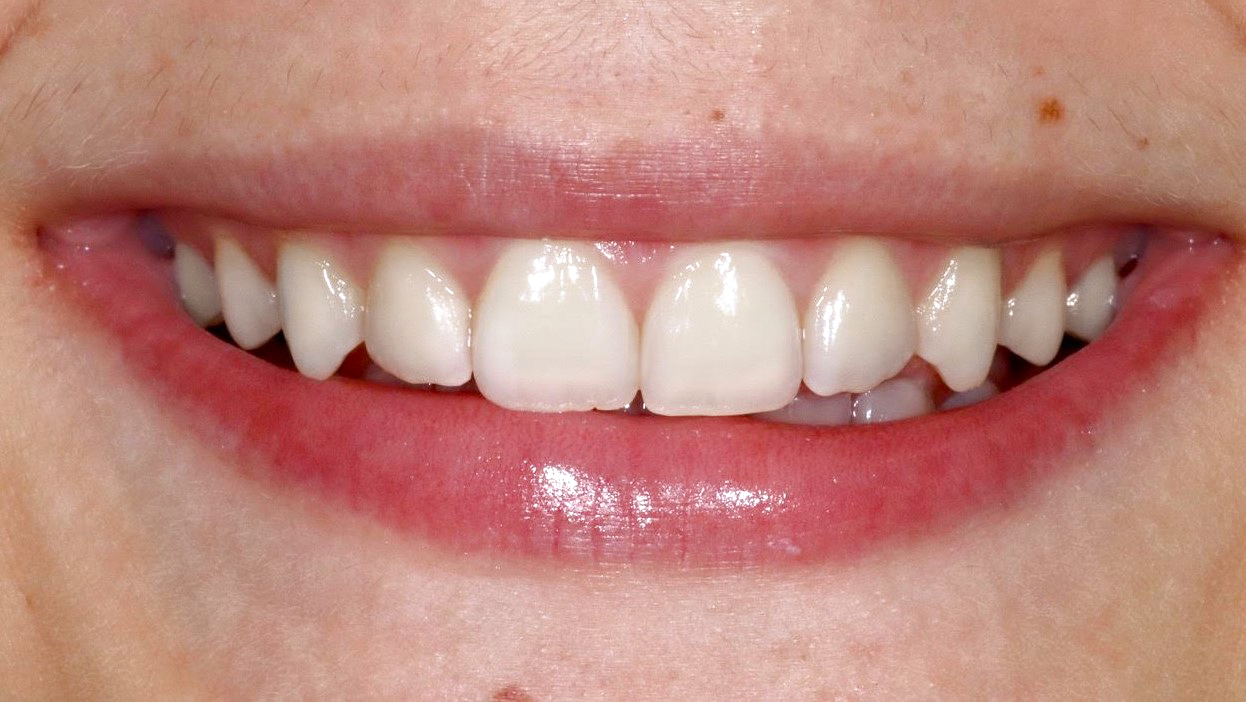
Correction and harmonization of the smile in case of extremely long teeth and super visible gums
The patient was particularly disturbed by the disharmonic course of the upper dental arch with rotations, the prominent upper left canine, and the excessively long upper central incisors which disappeared under the lower lip. In addition, too much gum was visible during a smile
With the help of removable, transparent Invisalign aligners, the dental arches in the upper and lower jaw were shaped and harmonized, and the tooth lengths and smile line were idealized just within 4 months
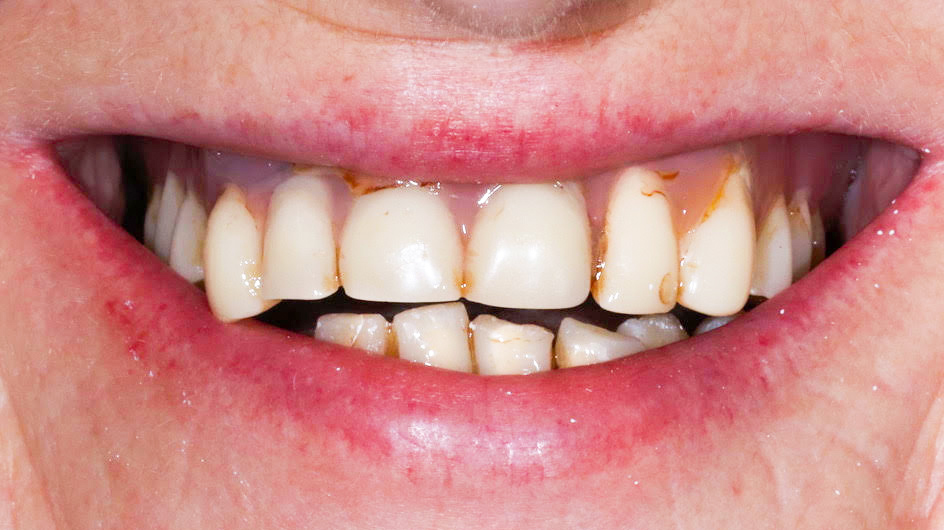
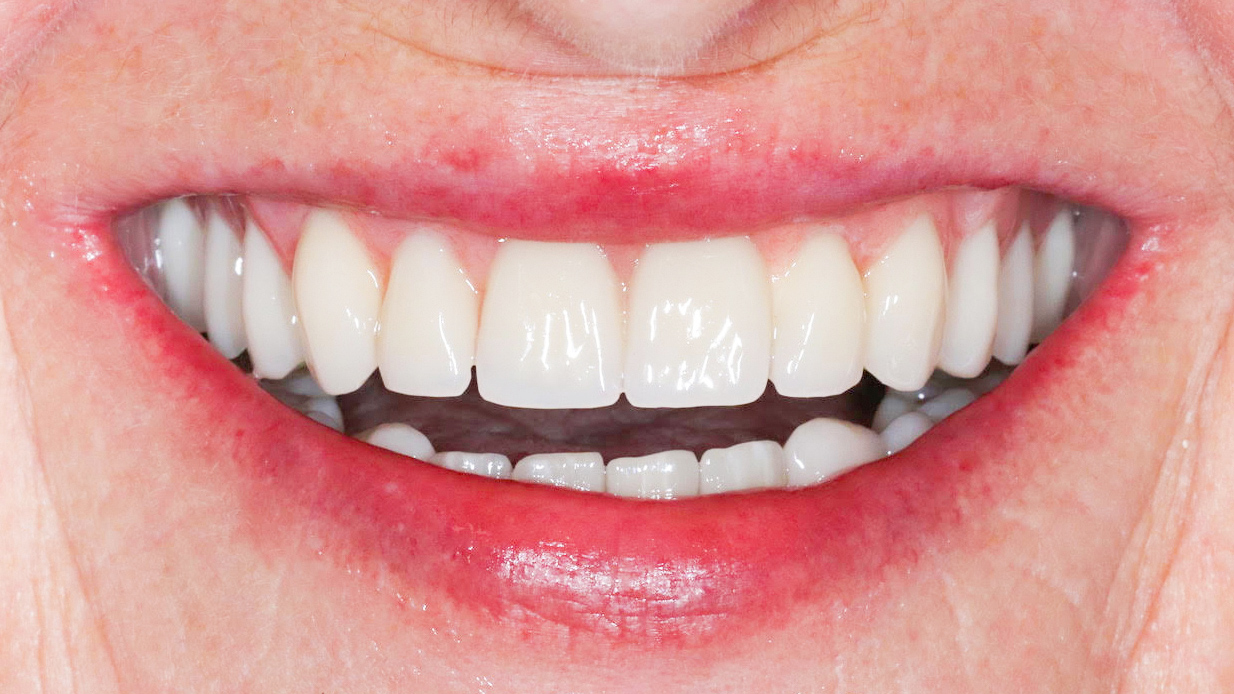
New restoration of the upper and lower jaw in case of insufficient dentures
The patient wished to beautify her smile and brighten the color of her teeth. She was worried over the existing discolorations and ground teeth in the upper jaw, which had led to a negative smile line, as well as by the different length of the teeth in the lower jaw
The upper and lower jaws were restored with new dentures. The smile line was restored to a harmonious shape from a functional perspective. In addition, the smile was widened to support the lip volume and the tooth color was adjusted, resulting in a fresher and younger smile
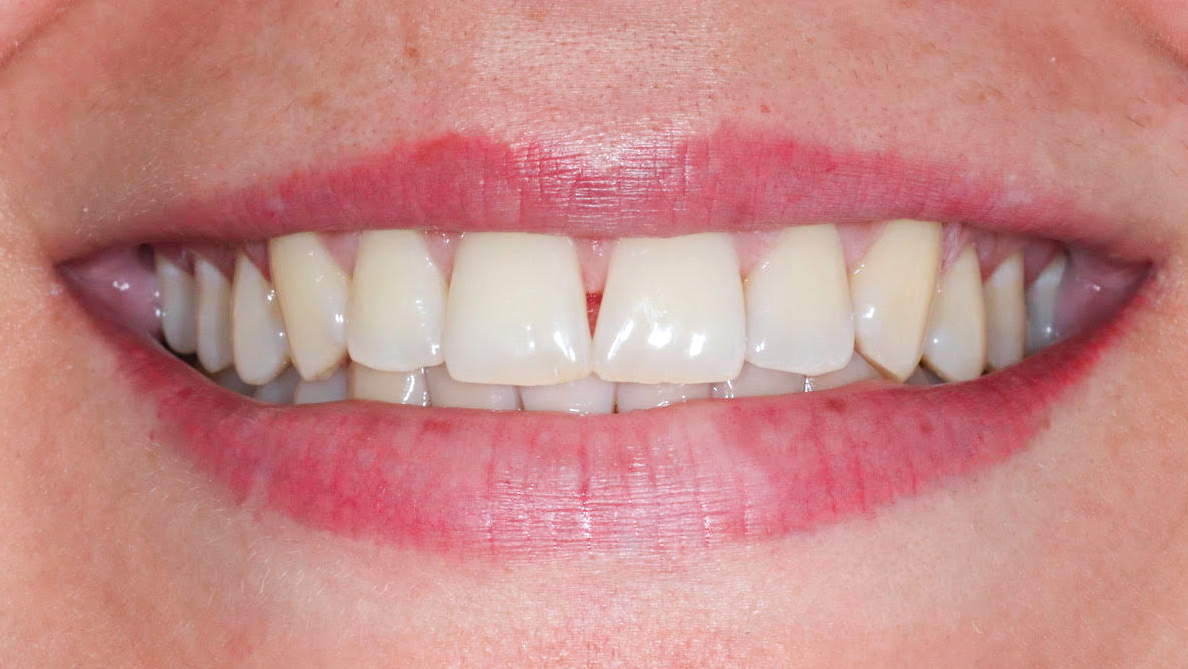
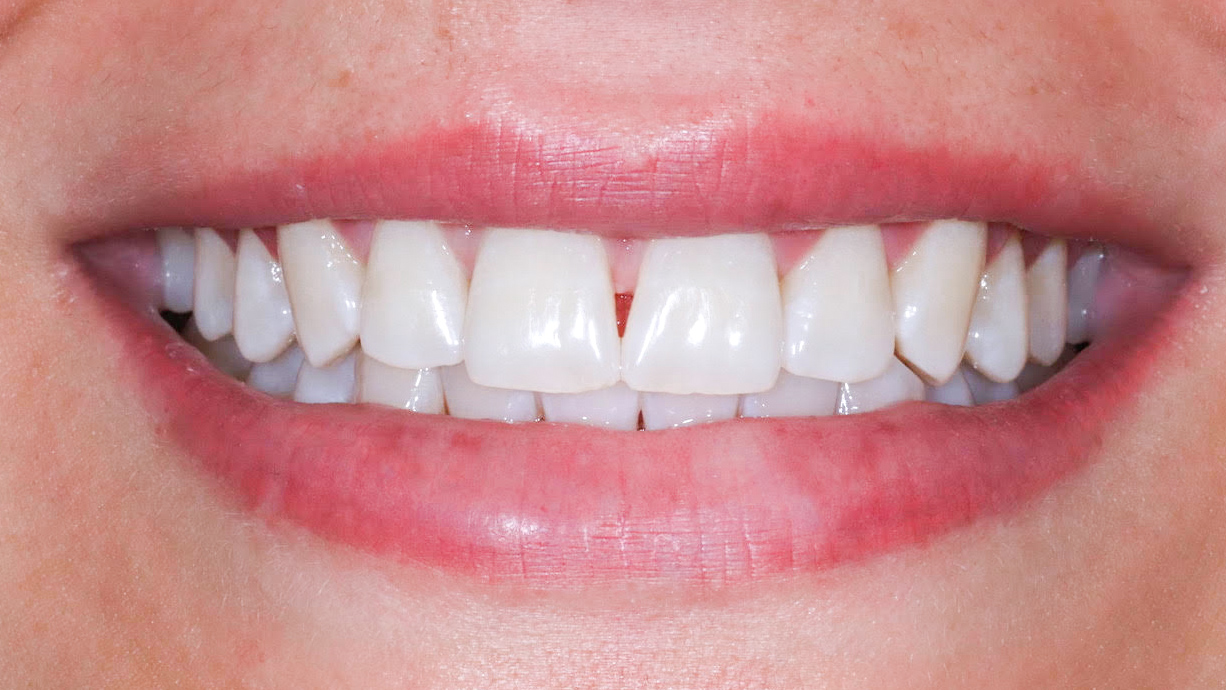
Teeth whitening by in-office bleaching
The patient wanted a brighter smile with a brighter tooth color
The patient decided to have an in-office bleaching in our practice. In only one appointment, we were able to brighten the patient’s tooth to the desired tooth color
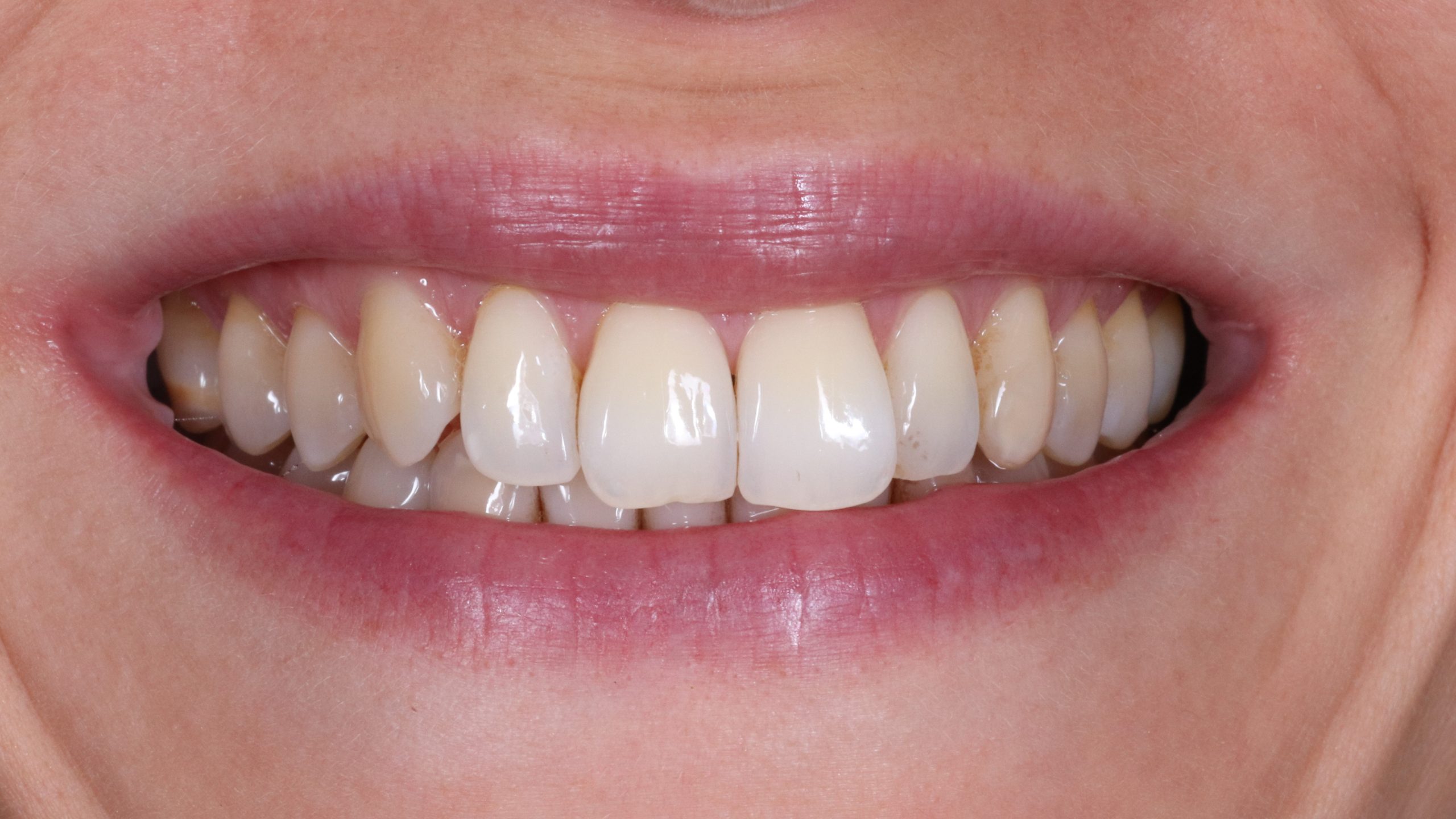
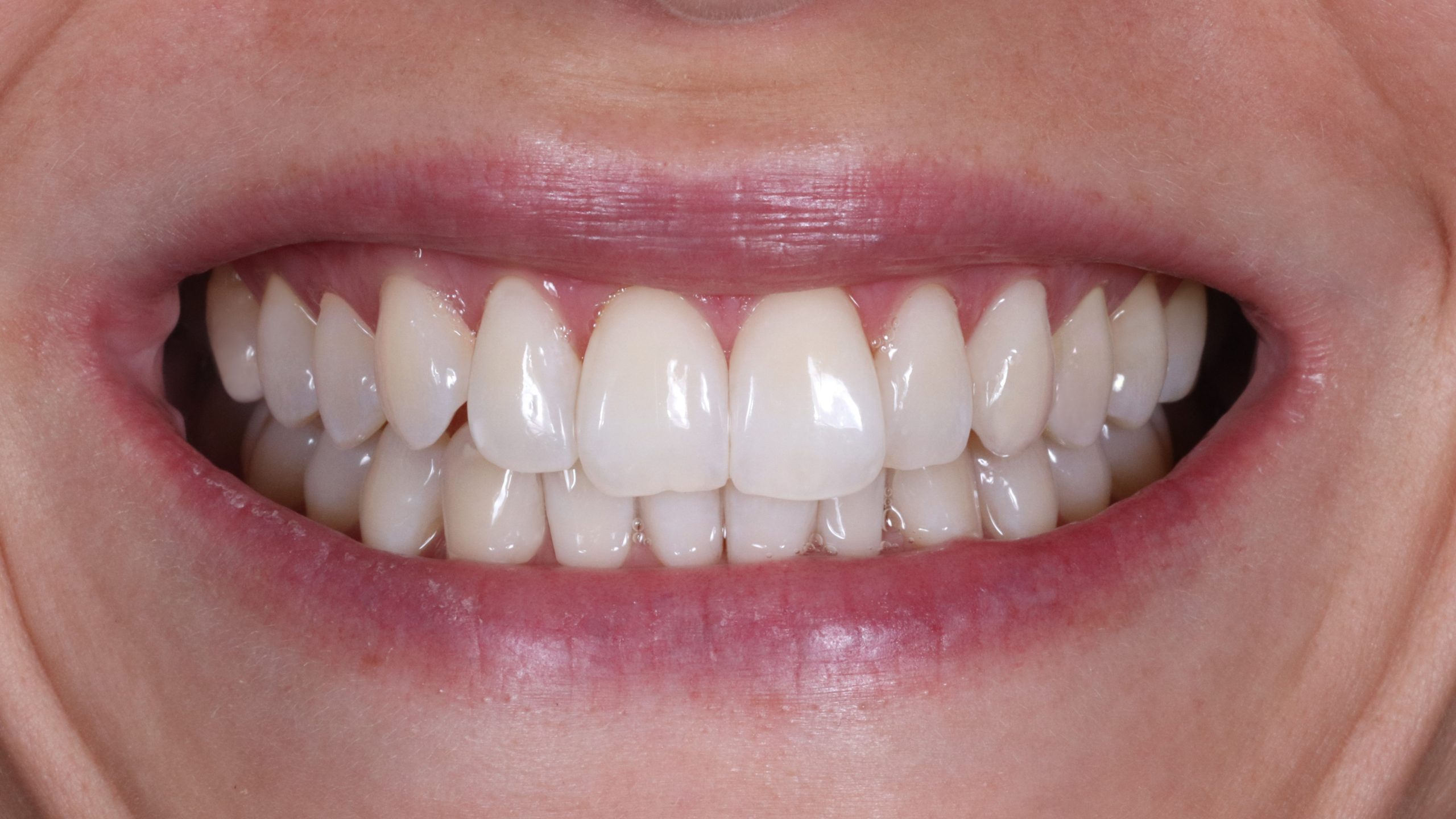
Teeth whitening by in-office bleaching
The patient was bothered by the discoloration and yellowing of her teeth – she wanted a brighter and healthier smile.
Through an in-office bleaching in the practice, she was able to achieve a bright, natural and radiant result.
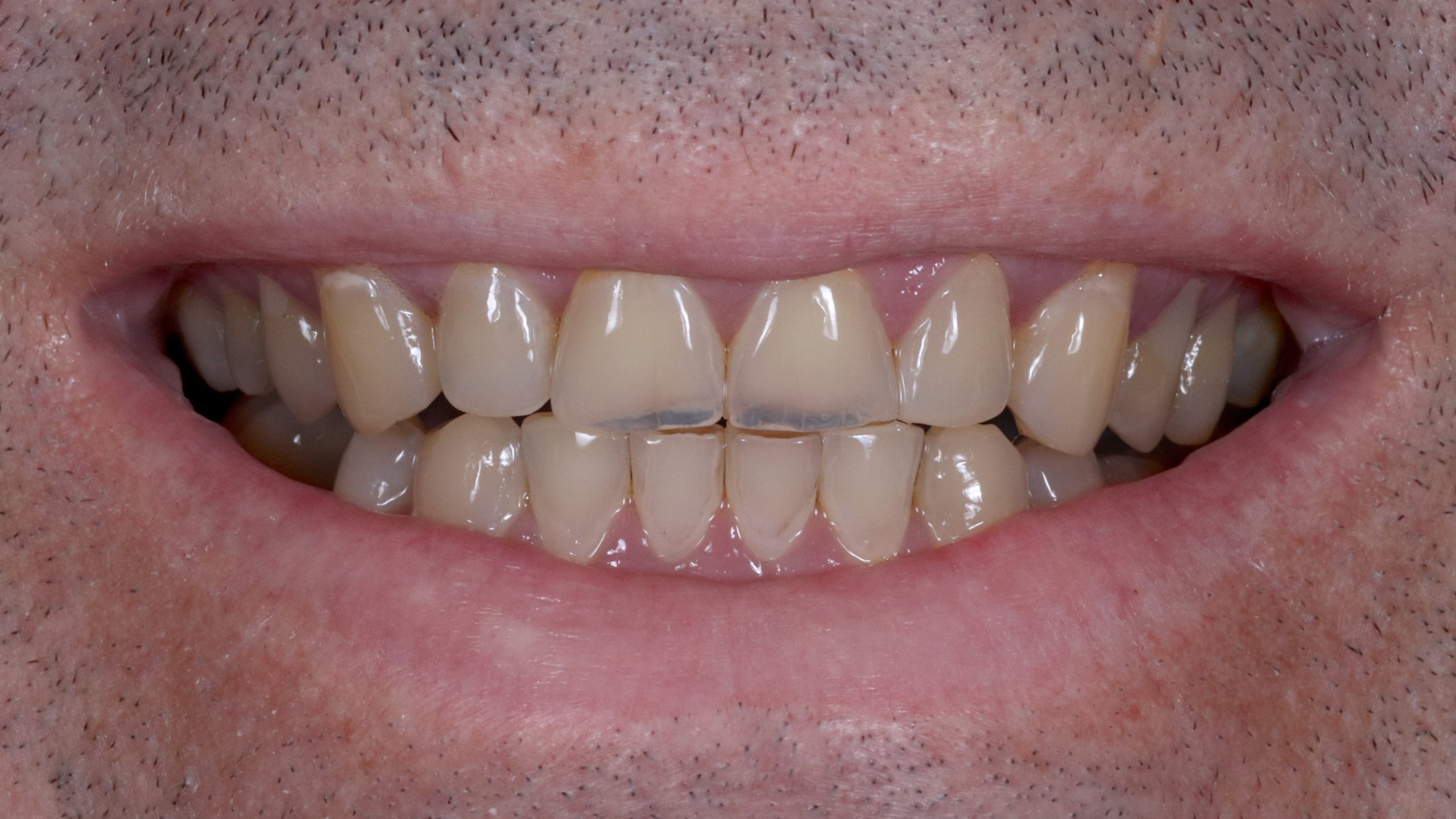
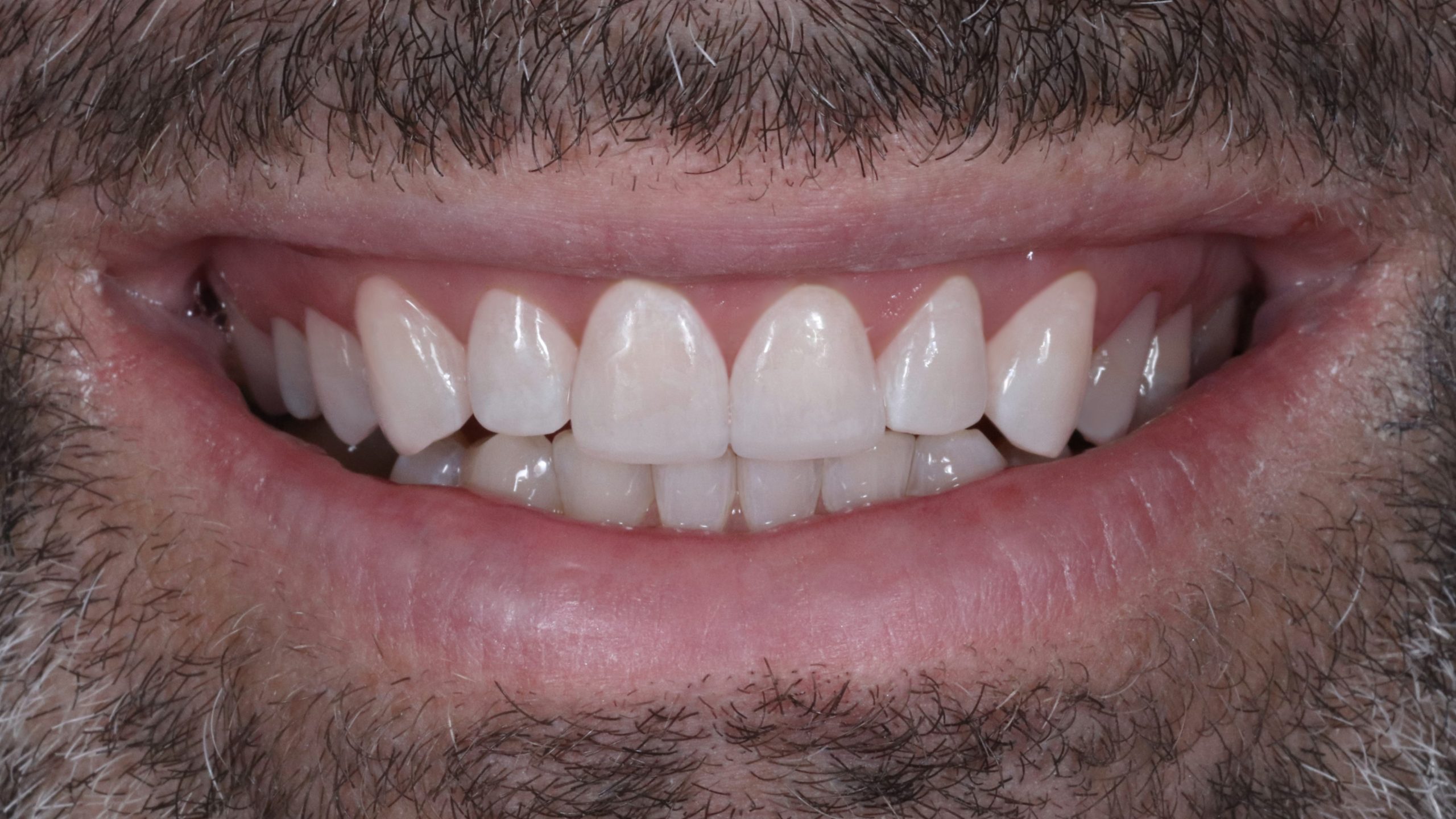
Teeth whitening through in-office bleaching with subsequent minimally invasive composite restoration
The patient was disturbed by the color of his teeth and the heavily abraded central anterior teeth; the cutting edges of which already appeared transparent due to severe substance defects.
To restore the aesthetics of the smile, in-office bleaching was done in our practice to achieve the patient’s desired shade. The two central front teeth were then restored with highly esthetic composite fillings.
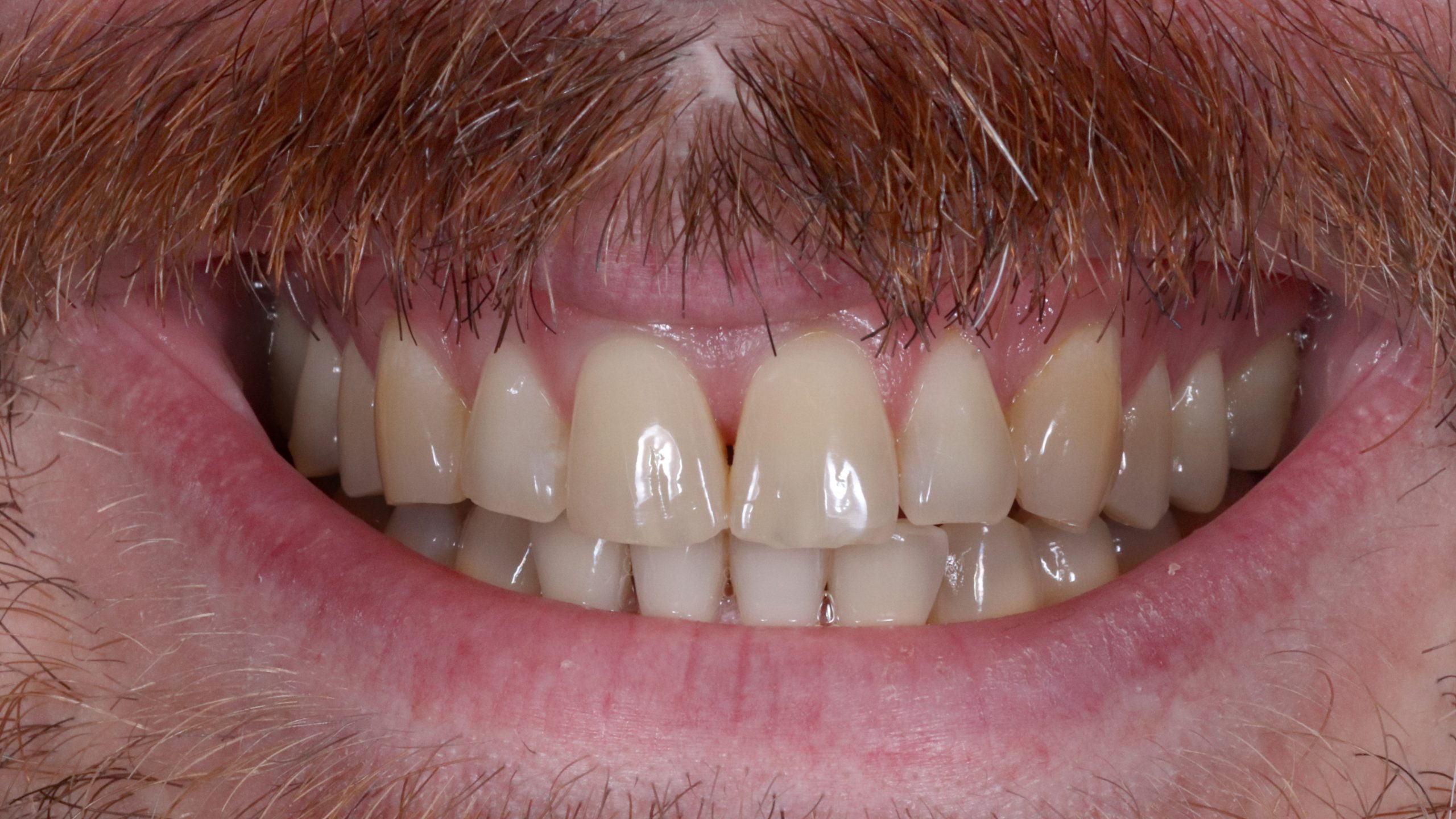
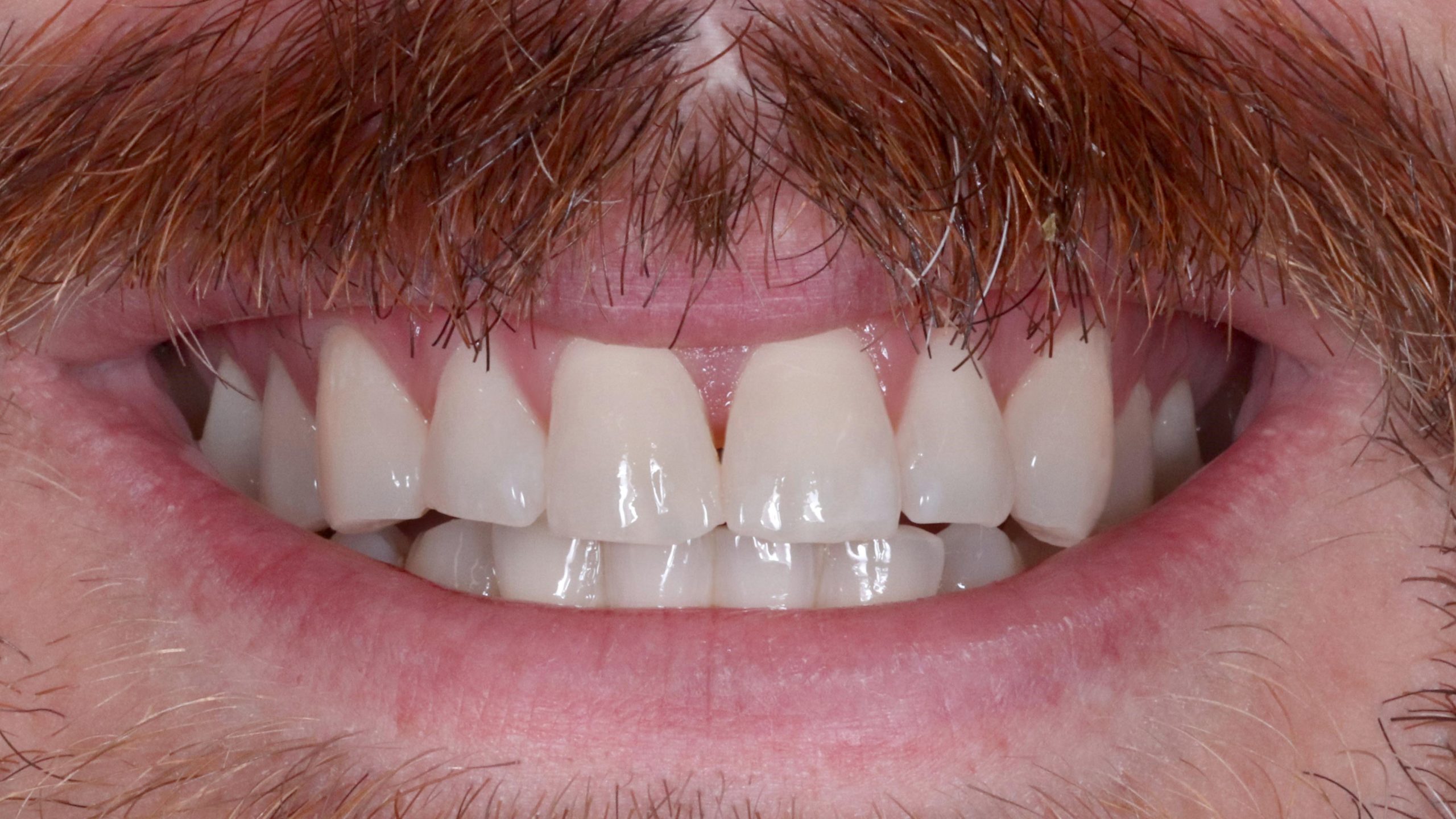
Teeth whitening by in-office bleaching
The patient wanted a brighter and healthier smile.
A bright, natural result was achieved thanks to our in-office bleaching.
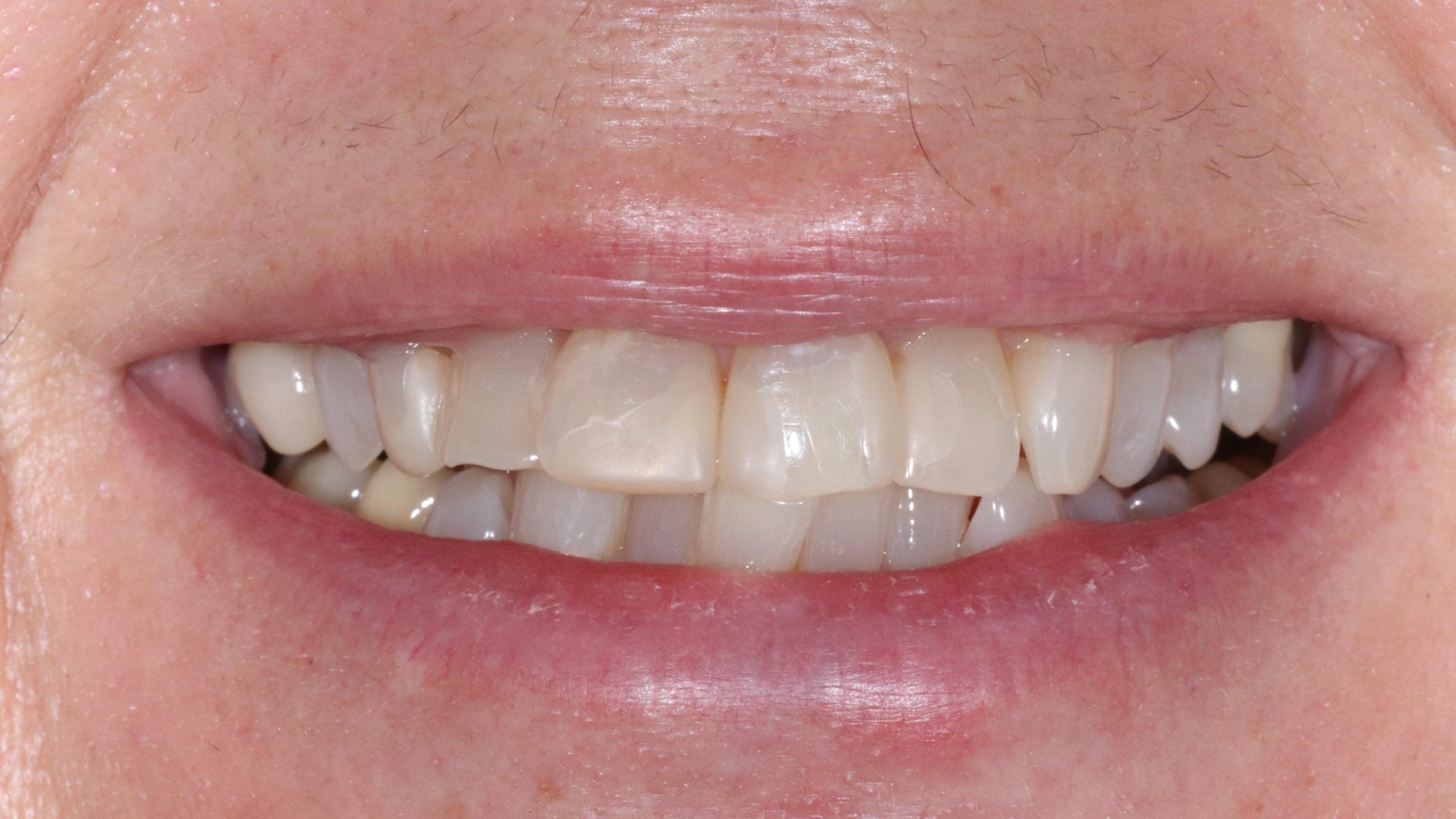
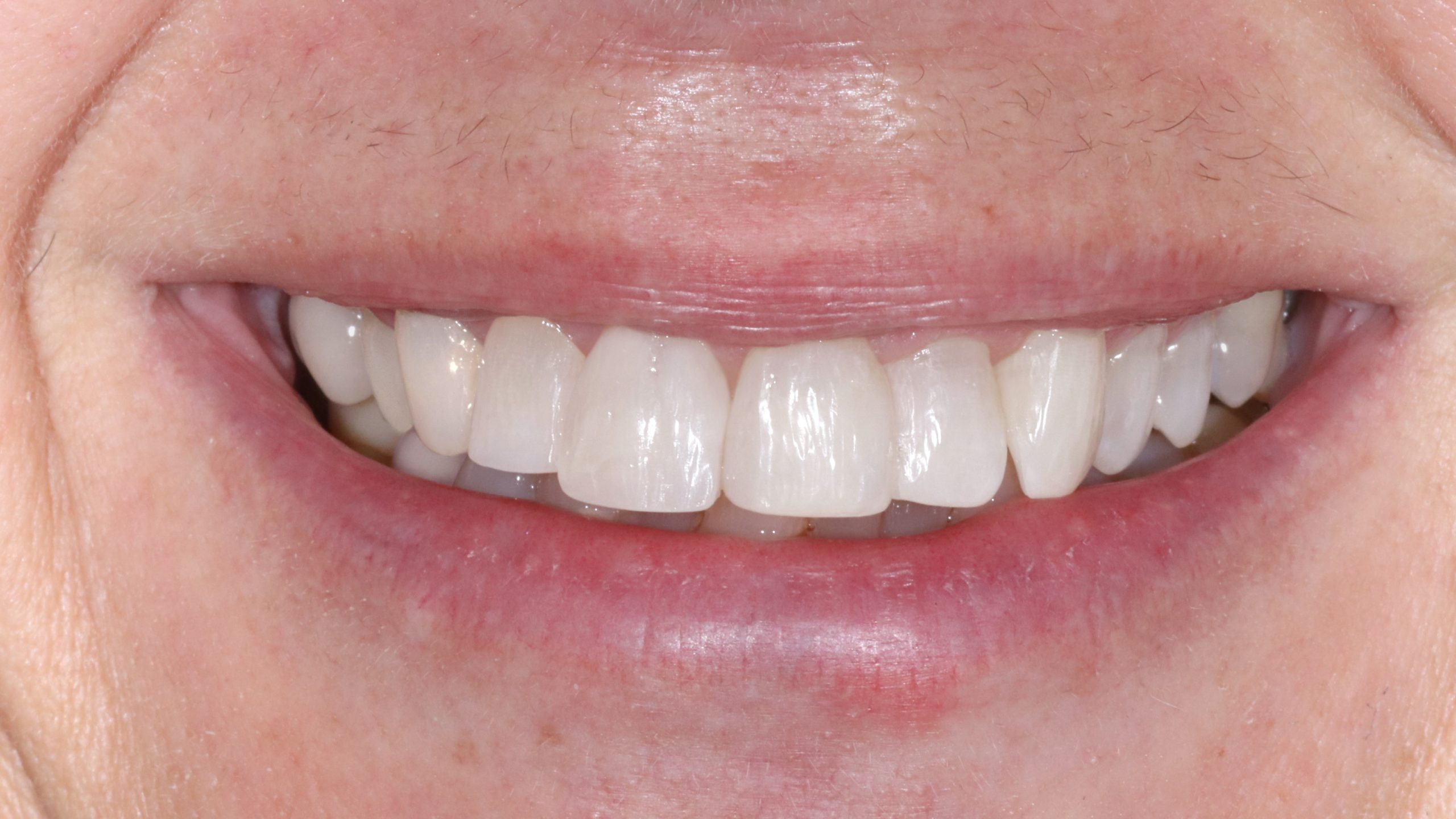
Harmonizing the smile with minimally invasive composite fillings after tooth whitening through in-office bleaching
The patient was bothered by her existing, inadequate plastic anterior restorations of the incisors and the disharmonious shape of her teeth.
To restore the aesthetics of her smile, in-office bleaching was carried out in our practice to achieve the patient’s desired shade/teeth color.
Finally, the definitive reconstruction was carried out using minimally invasive composite fillings to restore the aesthetics and function; the desired tooth color and shape, as well as a more harmonious smile could thus be restored.
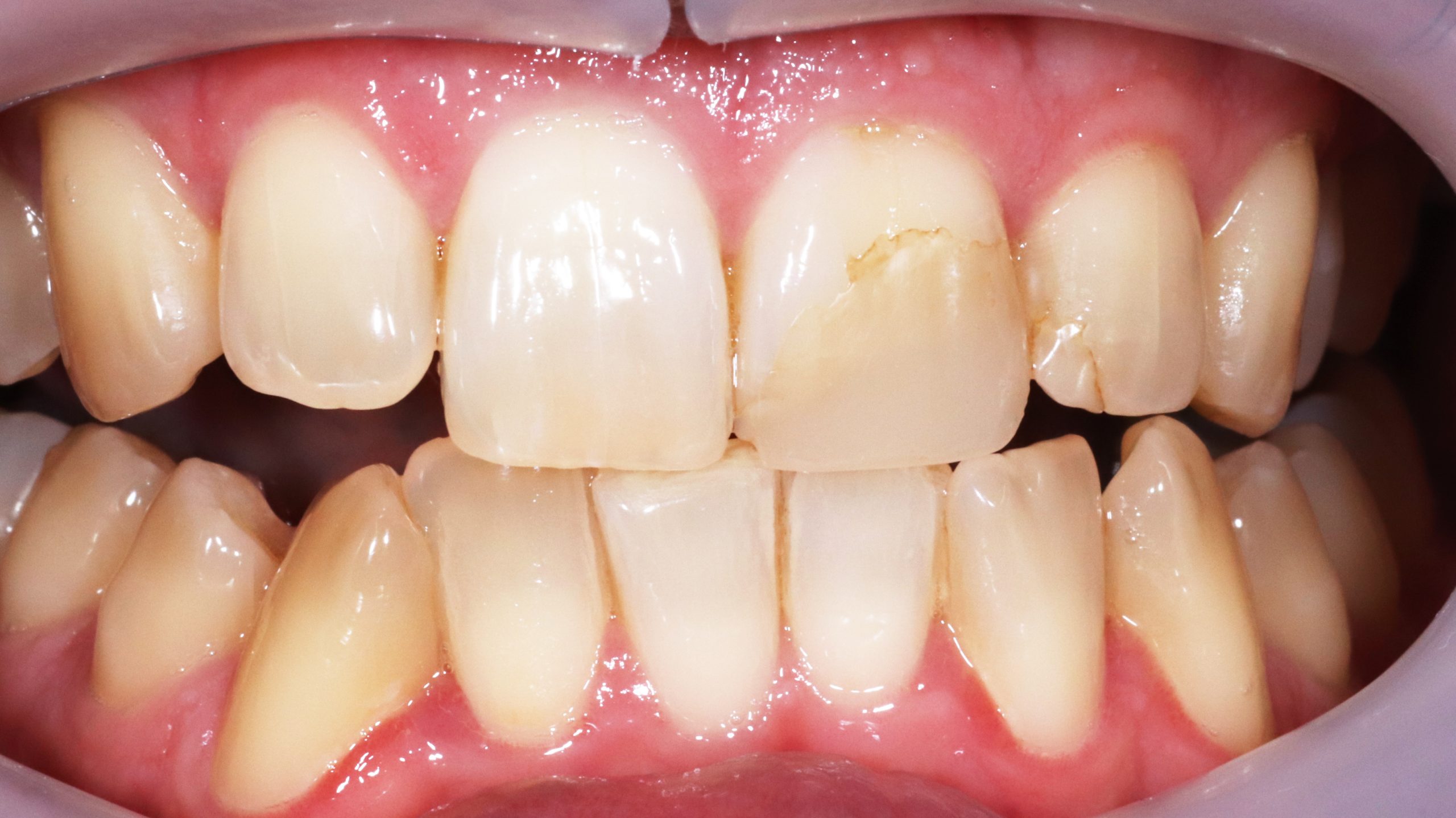
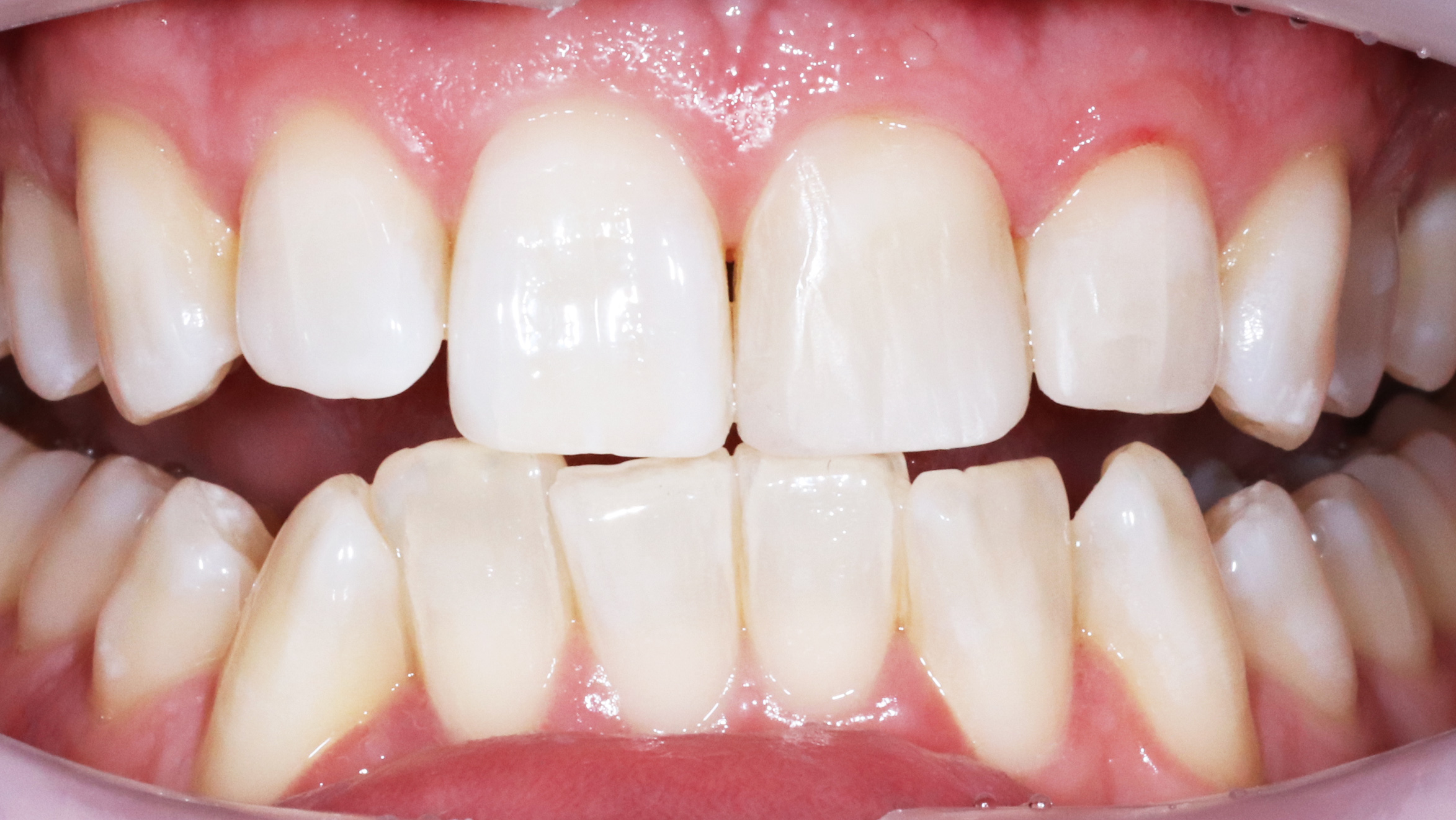
Tooth whitening and replacement of discolored fillings
The patient was bothered by his dark tooth color and severely discolored fillings
After an in-office whitening in our practice, the insufficient fillings were exchanged and color-matched to the new light tooth color
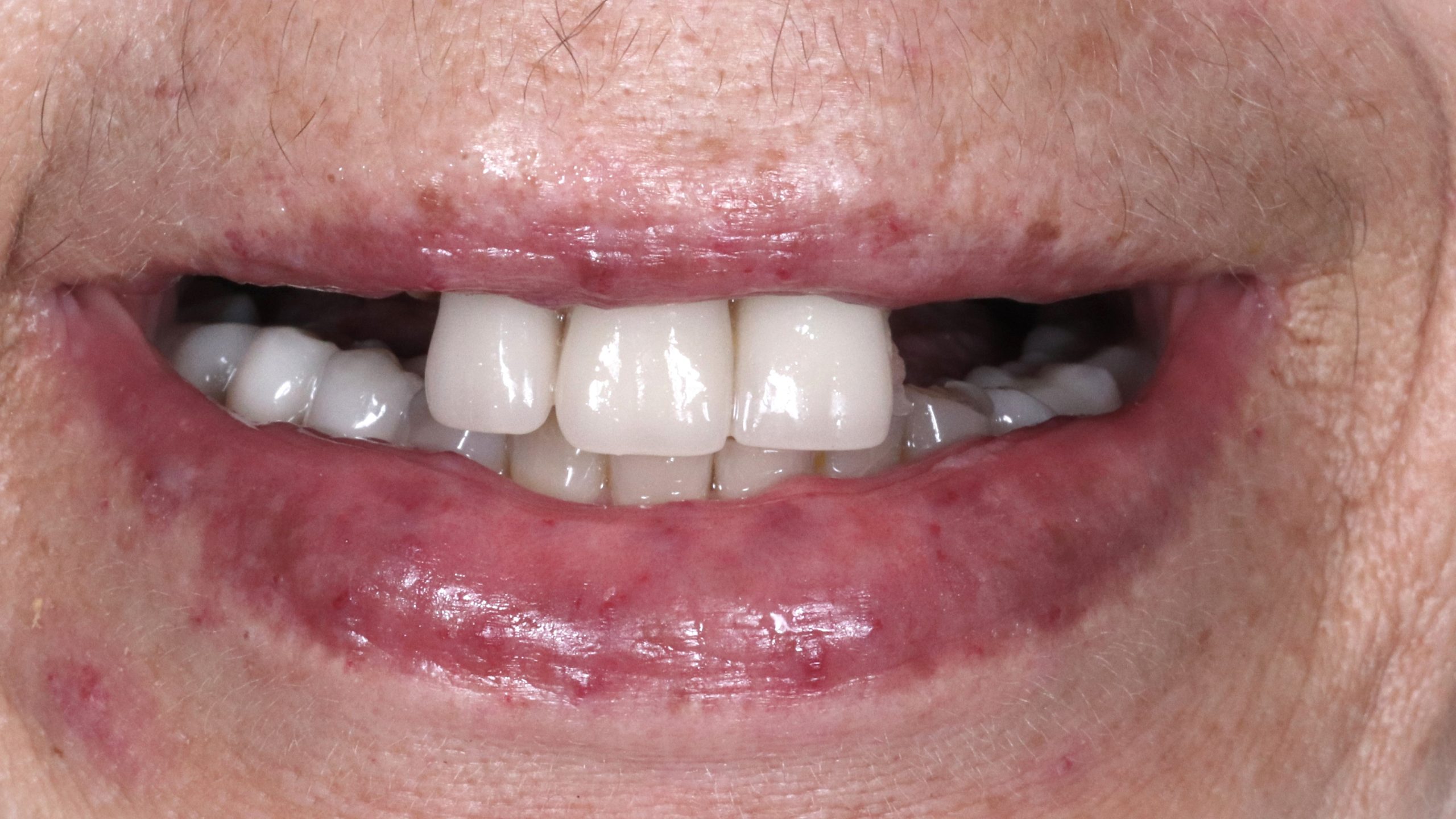
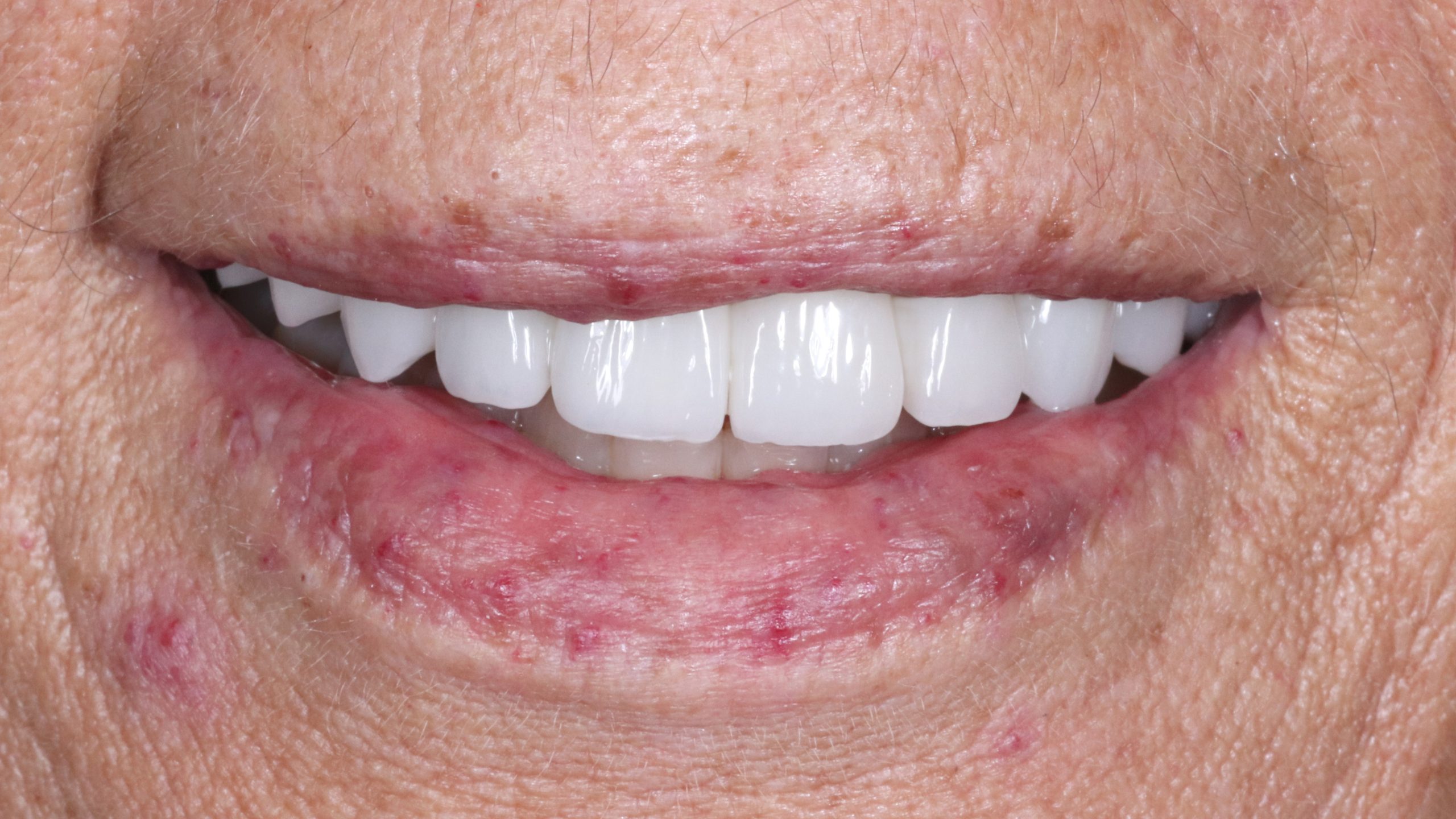
New restoration of the maxilla with all-ceramic crowns and implants
The patient was missing multiple teeth in the upper jaw – the existing restorations were inadequate. The patient wanted to restore both her chewing function with fixed dentures, as well as her esthetic appearance.
After functional pre-treatment, the restoration was realized with implants in the upper jaw and finally with all-ceramic crowns on the existing teeth or crowns and bridges on implants.
As a result, the patient was able to achieve a fixed, all-ceramic restoration with a perfect esthetic appearance.
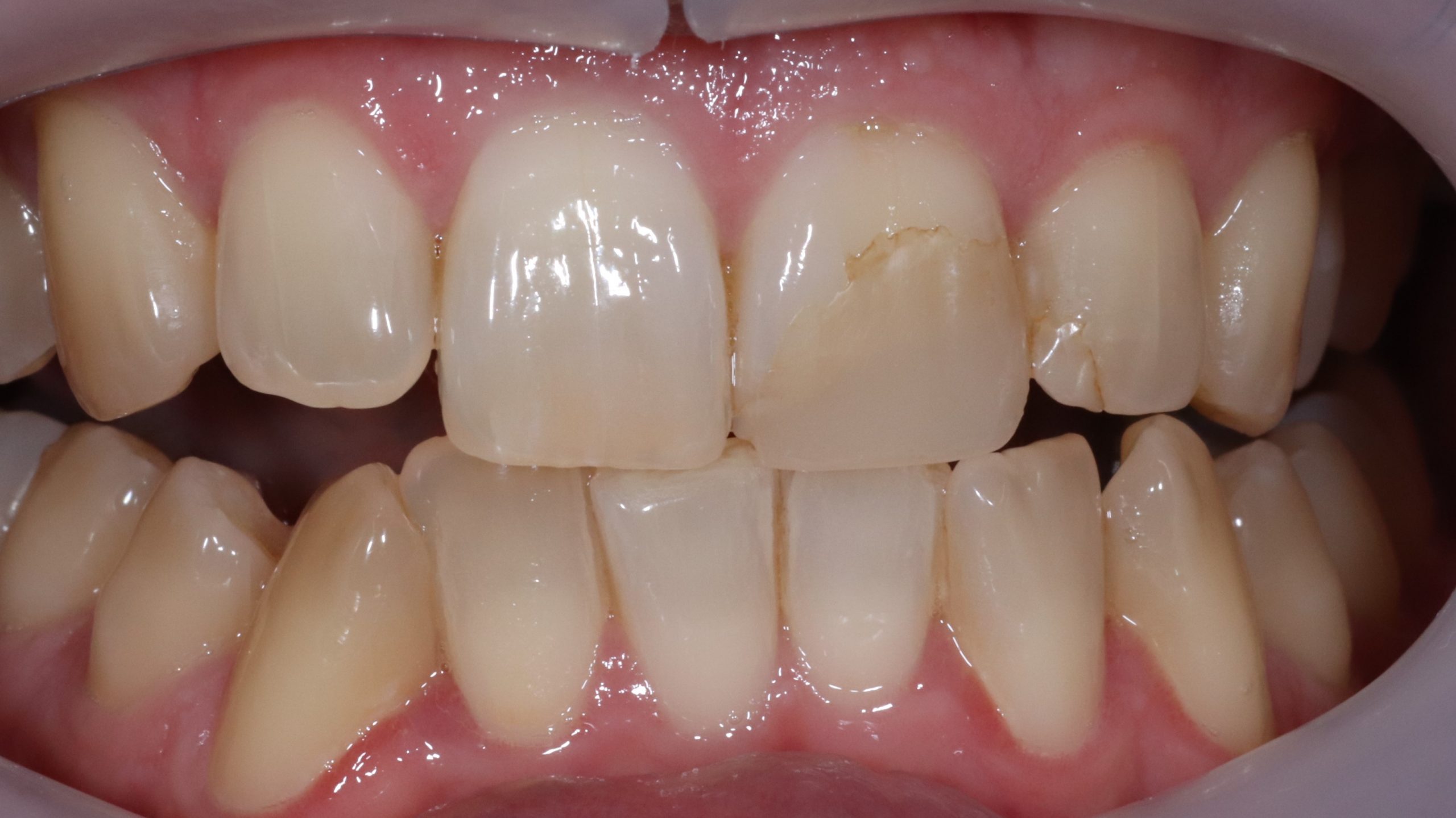
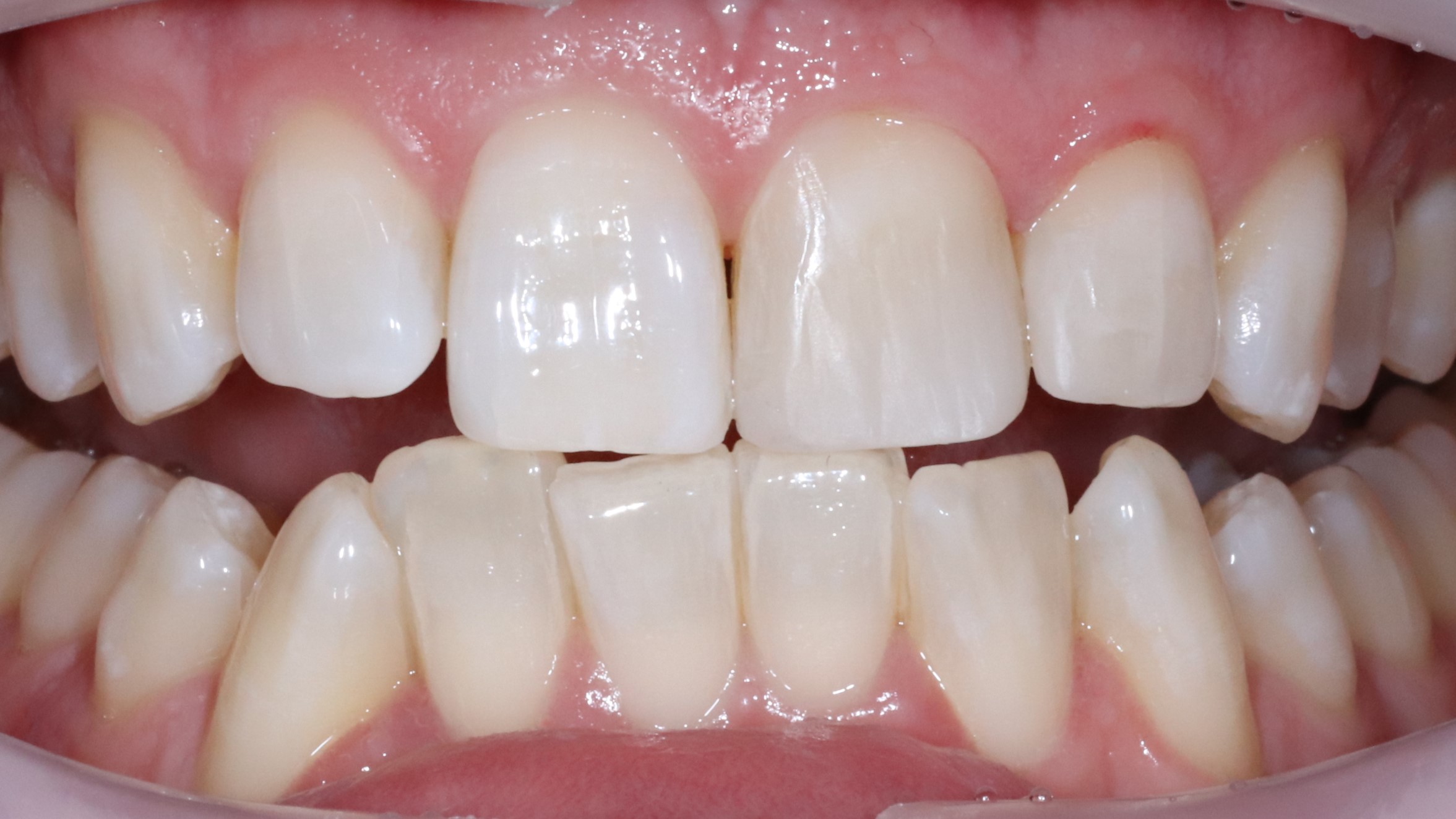
Tooth whitening and replacement of discolored fillings
The patient was bothered by his dark tooth color and severely discolored fillings
After an in-office whitening in our practice, the insufficient fillings were exchanged and color-matched to the new light tooth color
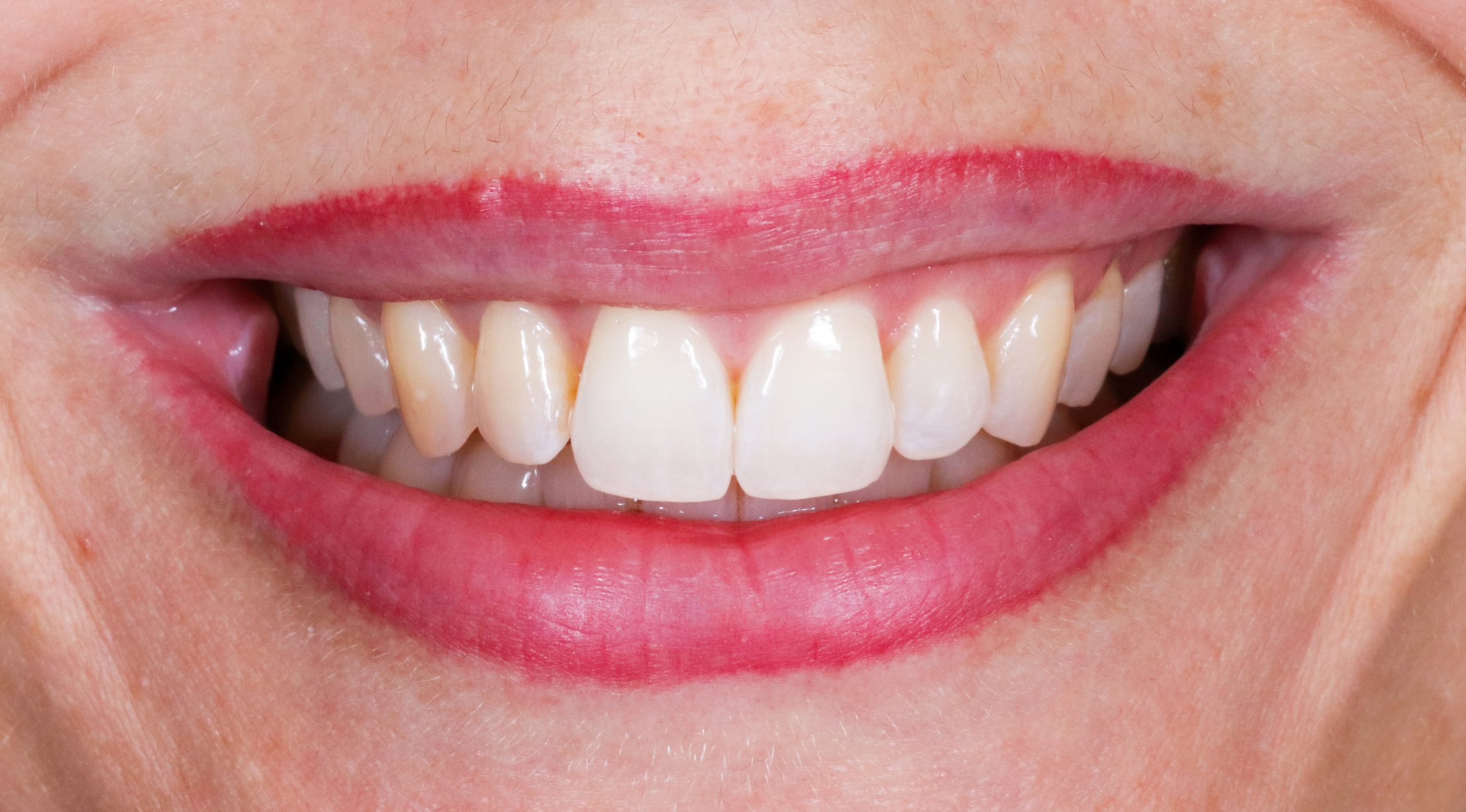
Correction of the tooth position and harmonization of the smile
The patient was disturbed by the disharmonious course of the upper dental arch and the existing severe crowding of both jaws
With the help of removable, transparent Invisalign aligners, the dental arches in the upper and lower jaw were shaped and harmonized within 6 months. Both tooth position and smile width were idealized, giving the patient a radiant smile
Reconstruction of severely abraded anterior teeth with composite to restore function and to idealized length-width ratios
The patient was disturbed by her short, severely shaved anterior teeth with insufficient fillings
With the help of removable, transparent Invisalign aligners, the dental arches in the upper jaw and lower jaw were shaped and harmonized within 6 months. This pre-negotiation allowed for the creation of sufficient space for the final reconstruction of the missing tooth structure of the maxillary and mandibular anterior teeth. This was followed by in-office bleaching in our practice to achieve the desired lighter tooth color. After a functional-aesthetic WaxUp was fabricated, purely additive reconstruction was performed by minimally invasive composite abutments of each of the 6 maxillary and mandibular anterior teeth. This restoration of the anterior canines is synonymous with maximum protection of the teeth from further abrasion-related damage. The result shows an esthetically harmonious smile with optimal tooth size ratios matching the course of the lips
Correction of the tooth position and harmonization of the smile
The patient was disturbed by the disharmonious course of the upper dental arch and the existing severe crowding of both jaws
With the help of removable, transparent Invisalign aligners, the dental arches in the upper and lower jaw were shaped and harmonized within 6 months. Both tooth position and smile width were idealized, giving the patient a radiant smile
Reconstruction of severely abraded anterior teeth with composite to restore function and to idealized length-width ratios
The patient was disturbed by her short, severely shaved anterior teeth with insufficient fillings
With the help of removable, transparent Invisalign aligners, the dental arches in the upper jaw and lower jaw were shaped and harmonized within 6 months. This pre-negotiation allowed for the creation of sufficient space for the final reconstruction of the missing tooth structure of the maxillary and mandibular anterior teeth. This was followed by in-office bleaching in our practice to achieve the desired lighter tooth color. After a functional-aesthetic WaxUp was fabricated, purely additive reconstruction was performed by minimally invasive composite abutments of each of the 6 maxillary and mandibular anterior teeth. This restoration of the anterior canines is synonymous with maximum protection of the teeth from further abrasion-related damage. The result shows an esthetically harmonious smile with optimal tooth size ratios matching the course of the lips
Correction of the tooth position and harmonization of the smile
The patient was disturbed by the disharmonious course of the upper dental arch and the existing severe crowding of both jaws
With the help of removable, transparent Invisalign aligners, the dental arches in the upper and lower jaw were shaped and harmonized within 6 months. Both tooth position and smile width were idealized, giving the patient a radiant smile
Reconstruction of severely abraded anterior teeth with composite to restore function and to idealized length-width ratios
The patient was disturbed by her short, severely shaved anterior teeth with insufficient fillings
With the help of removable, transparent Invisalign aligners, the dental arches in the upper jaw and lower jaw were shaped and harmonized within 6 months. This pre-negotiation allowed for the creation of sufficient space for the final reconstruction of the missing tooth structure of the maxillary and mandibular anterior teeth. This was followed by in-office bleaching in our practice to achieve the desired lighter tooth color. After a functional-aesthetic WaxUp was fabricated, purely additive reconstruction was performed by minimally invasive composite abutments of each of the 6 maxillary and mandibular anterior teeth. This restoration of the anterior canines is synonymous with maximum protection of the teeth from further abrasion-related damage. The result shows an esthetically harmonious smile with optimal tooth size ratios matching the course of the lips
WE THANK YOU FOR YOUR TRUSTAND POSITIVE FEEDBACK